For sweet tart pastry, choose a food processor with pulse or manual control, a suitable blade or dough tool, and capacity for the quantities you actually make. If you usually make one tart and share storage space, prioritise a manageable bowl and straightforward cleaning; a larger bowl, scale or extra vessels make more sense when you regularly batch-bake or use the appliance for other jobs. Whichever format you choose, use cold butter and stop processing as soon as the dough comes together, as Kenwood and Magimix advise in their pastry guidance.
Who this choice suits
Space-conscious tart bakers
If you usually make one tart or a small batch, consider where the processor and its tools will go after use. Kenwood and KitchenAid list models with in-bowl accessory storage; check the cleaning instructions for the exact parts you will use.
Pastry makers who want texture control
If tart pastry is the main task, look for a tool suited to the recipe and a way to stop promptly. Magimix advises switching its processor off once the dough forms a ball, while Kenwood recommends cold butter and a light touch.
Shared-kitchen multi-taskers
If several people will also use the appliance for chopping, blending or other preparation, extra functions may earn their storage space. Check which bowls and accessories everyone will need to wash and put away.
What matters when choosing
Start with control over pastry mixing, then match bowl capacity and the number of parts to the space and other tasks in your shared kitchen.
| Concern |
What to check |
Who this matters to |
| Storage and clean-up |
Check the processor’s dimensions, where its accessories go, and which removable parts are dishwasher-safe. |
When cupboard and washing-up space are shared, I want the parts to be easy to keep together and clear away. Around 40% of consumers put storage and clean-up first. |
| Pastry control |
Confirm pulse or manual control and the blade or dough tool included with the exact model. |
If sweet tart pastry is my main reason for buying, I need to stop mixing as soon as the dough forms. For around 40% of consumers, that control is the primary concern. |
| Batch size and other uses |
Compare bowl capacity and recipe quantity guidance; consider a scale or blender vessels only if you will use them. |
Several tart cases or regular non-pastry jobs could justify keeping a larger set of parts. Broader capacity and use come first for around 20% of consumers. |
Buying pitfalls
-
Choosing a mini chopper on size alone
A small chopper may handle ingredients such as nuts without having the bowl capacity or tool you need for a tart-pastry recipe.
Check the exact bowl capacity, supplied blade or dough tool, and pulse or manual controls before choosing it for pastry.
-
Using motor wattage as a pastry-quality shortcut
Motor wattage does not tell you when to stop mixing. Kenwood’s shortcrust guidance calls for cold butter and a light touch, and Magimix instructs users to stop when dough forms a ball.
Choose a model you can control in short bursts and follow the processing point in your recipe.
-
Overlooking where attachments will go
Additional discs, blades and vessels take up shared cupboard and washing-up space even when the main appliance fits.
Check whether the tools you will use regularly store together and which removable parts can go in the dishwasher.
-
Using shared equipment for food business activity without a cleaning plan
If food is prepared or supplied as a business, the Food Standards Agency’s allergen guidance addresses preparation practices that help avoid cross-contamination.
For that use, follow the applicable Food Standards Agency guidance and establish how shared equipment will be cleaned and kept separate where needed.
Brands to consider for this task
Kenwood
Kenwood has relevant compact processors and larger models with integrated weighing; compare the specific model rather than assuming the range has one accessory set.
- Kenwood lists a 2.1 L bowl, dough tool, two speeds plus pulse, dishwasher-safe parts and in-bowl storage for the FDP31.170GY.
- The FDM71.450SS offers a 3 L bowl and integrated scale, but its larger-bowl route still needs a storage check in a shared kitchen.
Ninja
Ninja’s BN800UK is relevant when the shared appliance will be used for blending and other food preparation as well as pastry.
- The BN800UK listing specifies a 1.8 L processor bowl, 2.1 L jug, manual settings and automatic programmes.
- Its separate vessels add components to store and wash; those functions do not establish a better tart-pastry result.
Magimix
Magimix is useful to consider when a stated shortcrust quantity matters more than choosing by bowl volume alone.
- Magimix Support UK lists maximum shortcrust quantities of 0.5 kg for Mini Plus, 1 kg for 3200XL, 1.2 kg for 4200XL and 1.5 kg for 5200XL.
- A higher stated pastry capacity does not by itself make a larger model easier to accommodate in shared storage.
KitchenAid
KitchenAid’s 5KFP0719 is a single-bowl option to consider for smaller-scale preparation.
- KitchenAid specifies a 1.7 L bowl, dough blade, two speeds plus pulse and in-bowl accessory storage for this model.
- For regular multi-case baking, check the model’s recipe quantity guidance before relying on its bowl size.
Joybuy product choices
These processors cover larger-bowl preparation, combined processing and blending, and a smaller shared-space option. Compare each model’s included tools and storage needs against the tart quantities you make.
 Image unavailable
Kenwood MultiPro Express FDP65.180SI, 3 L
Consider this model if you want room for larger preparation jobs alongside tart pastry. Its listing specifies a 3 L bowl, 1000 W motor, pulse function, six accessories including a combined dough and emulsifying tool, and dishwasher-safe attachments.
Check its dimensions and where the accessories will go in your shared kitchen.
View on Joybuy
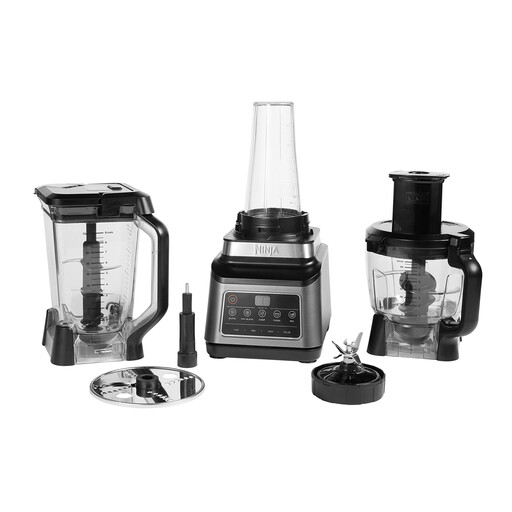 Image unavailable
Ninja 3-in-1 Auto-iQ BN800UK
This is a route for a household sharing one appliance across pastry, processing and blending tasks. The listing specifies a 1.8 L processor bowl, 2.1 L jug, 700 ml cup, dough tool, manual settings with pulse, and dishwasher-safe parts.
Allow space for the extra vessels. The listing describes the appliance as intended for household rather than commercial use, so check suitability if food will be prepared for a business.
View on Joybuy
 Image unavailable
Kenwood MultiPro Express Weighing+ FDM71.450SS, 3 L
Consider this model if you regularly prepare larger batches or want to weigh ingredients in the processor bowl. Its listing specifies a 3 L bowl, integrated digital scale, 1000 W motor, pulse function and eight accessories.
Confirm which kneading attachment is included and whether it suits your sweet-pastry recipe. Check the appliance dimensions before allocating shared cupboard space.
View on Joybuy
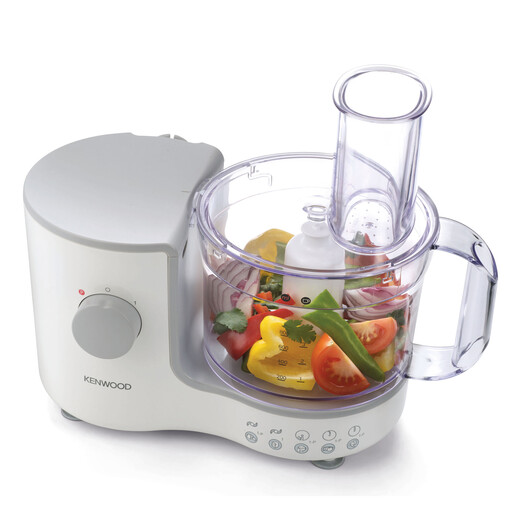 Image unavailable
Kenwood FP120A compact food processor, 1.4 L
If storage is your main constraint, this smaller processor is worth comparing with your recipe requirements. Its listing specifies a 1.4 L bowl, 400 W motor, pulse function, cord storage and dishwasher-safe parts.
Before choosing it for tart pastry, check whether its supplied chopping blade is suitable and whether your recipe quantity fits the model’s guidance.
View on Joybuy
Common questions
Do I need a dedicated dough blade for sweet tart pastry?
Not necessarily: the suitable tool depends on the model and recipe. Magimix specifies a dough blade for its shortcrust recipe but a metal blade for the Mini Plus; check the instructions for the processor you intend to buy and stop processing when the dough forms.
How can I avoid overworking tart pastry in a processor?
Use cold butter, process briefly and stop once the dough comes together. Kenwood advises a light touch to avoid tougher pastry, while Magimix directs users to switch off when its shortcrust dough forms a ball.
Is a 1.7 L or 2.1 L processor enough for one tart?
It may be, but compare your recipe quantity with the exact model’s guidance rather than treating bowl volume as a pastry limit. Magimix’s recipe for one 28–30 cm tart uses 250 g of flour and 125 g of butter; other processors may have different quantity instructions.
What if the shared kitchen is used to prepare food for a business?
Check the appliance’s stated intended use and put appropriate allergen and cleaning procedures in place. The Food Standards Agency’s guidance for food businesses addresses practices to avoid allergen cross-contamination; it should not be treated as a statement that a private domestic shared kitchen has the same business obligations.


