
24/7 全天候客户支持

免费退货

当日/次日达

品质保障

开启新人专享福利: 全场免邮 | 低至 2 折 | 免费试用 30 天 JoyPlus 会员
下载 Joybuy
Finding the right way to store food can feel like a constant battle against time. You buy fresh produce, only for it to wilt in the fridge. You freeze a batch of mince, and it comes out with tell-tale freezer burn. Effective food storage is not just about keeping things tidy; it is about preserving freshness, reducing waste and making your weekly shop go further.
Whether you are a dedicated meal prepper, a busy parent packing lunches or simply someone who wants a more organised kitchen, the world of food storage bags, foils and films can be confusing. This guide is designed to cut through the clutter, helping you understand the different options available so you can choose the right tools to keep your food fresh and your kitchen running smoothly.
Before you fill your basket, consider these key points. The ideal choice often depends on what you are storing, for how long and your priorities regarding convenience and sustainability.
The first decision is often between single-use and reusable options. Traditional choices like non-stick kitchen foil and cling film offer convenience for wrapping and covering. However, for long-term storage and reducing waste, reusable freezer bags are an excellent investment. Look for durable, washable materials. For instance, multi-layer aluminium foil bags are designed to block light and odours, offering robust protection for frozen meat and fish and can be washed and used again. For those prioritising sustainability in disposable items, a biodegradable food wrap made from plant-based materials offers an alternative to traditional plastic film.
An effective seal is crucial for locking in freshness and preventing leaks. For freezing liquids like soups or sauces, or for marinating meat, leakproof food pouches with a secure closure are essential. Many modern reusable bags feature a sliding zipper mechanism, which creates a reliable airtight seal that is often easier to close securely than a standard press-to-seal closure. For covering bowls and plates, the 'cling' of a good quality film is what creates the necessary barrier against air.
Think about your primary needs. For high-volume kitchens or small catering businesses, a large roll of catering cling film is more economical and efficient. Many professional-grade rolls now come as a food wrap with cutter box, which provides a clean, straight cut every time, improving safety and reducing waste. For freezing, bags with a dedicated write-on label area are invaluable for tracking contents and dates, helping you manage your freezer inventory and use food before it expires.
Here are a few standout options that cater to a range of different kitchen needs, from long-term freezing to everyday wrapping.
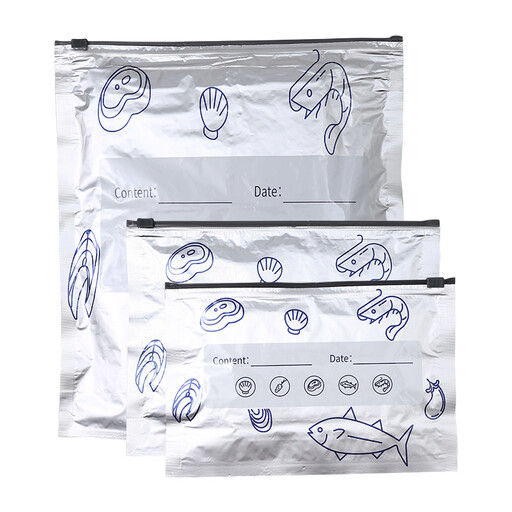
Why It Stands Out: These are not your average freezer bags. The multi-layer composite material (PET + AL + PE) is engineered to block light and air, which helps to significantly slow down oxidation. This makes them particularly effective for preserving the quality and flavour of meat, seafood and other sensitive foods in the freezer. The sliding zipper provides a confident airtight seal, and the stand-up design makes them easy to fill and organise.
Pros:
Who is it for? Anyone who buys meat, fish or vegetables in bulk for freezing. They are also ideal for meal preppers who want a reliable, reusable system to keep their freezer organised and their food in top condition.
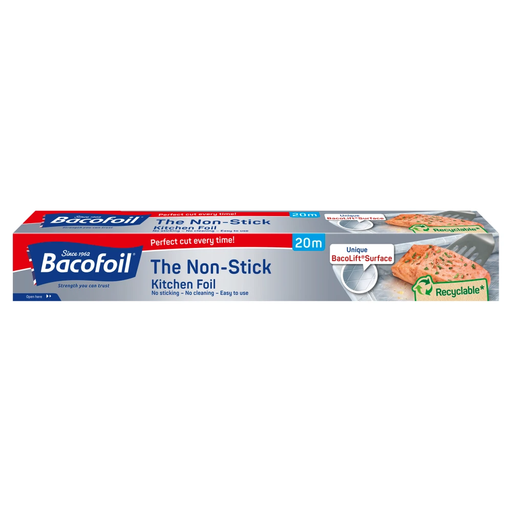
Why It Stands Out: This foil addresses a common frustration: food sticking to the tray. The BacoLift non-stick surface means you can roast chicken, fish or vegetables without needing to add extra oil or grease the foil first. The other key feature is the dispenser. The unique Easy-Cut System with a curved blade provides a clean tear every time, eliminating jagged edges and wasted foil.
Pros:
Who is it for? Home cooks and bakers who frequently use foil for roasting and baking. It is particularly useful for delicate items like fish or anything with a sticky marinade.
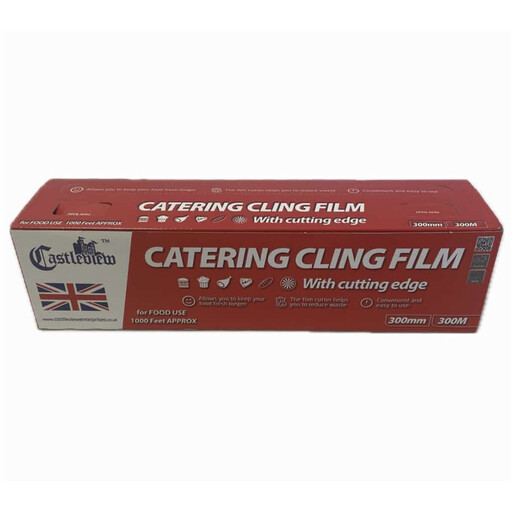
Why It Stands Out: This is a professional-grade solution designed for efficiency and volume. The 300-metre roll offers excellent value, while the 8-micron thickness provides more strength and a better cling than many standard domestic films. The standout feature is the integrated slider cutter, which allows for fast, safe and perfectly straight cuts, making it a huge improvement over wrestling with a serrated cardboard edge.
Pros:
Who is it for? Small catering businesses, cafes, community event organisers and large households that do a lot of batch cooking or meal prep.
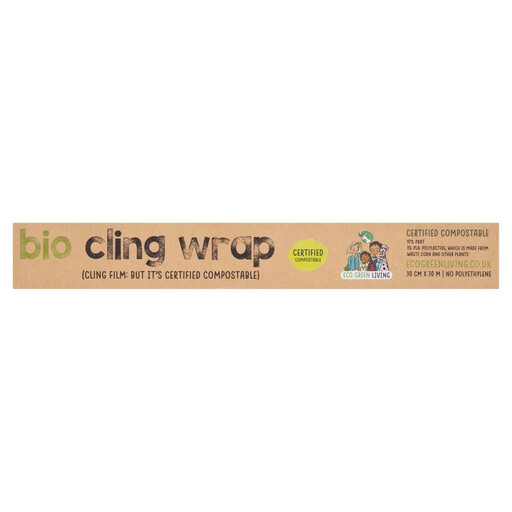
Why It Stands Out: For those looking to reduce their plastic footprint, this cling wrap offers a direct, sustainable alternative. It is made from corn starch and vegetable oils and is certified compostable (meeting ASTM D6400 standards). Unlike some eco-alternatives, it still provides good elasticity and clings well to surfaces like glass and ceramic, effectively sealing in freshness without containing PVC or BPA.
Pros:
Who is it for? Eco-conscious households seeking a functional, biodegradable food wrap for daily tasks like covering leftovers and wrapping sandwiches.
These selections represent just a fraction of the solutions available for keeping your food fresh. Every kitchen has unique needs, and the right tool can make all the difference. If you are looking for different sizes, materials or formats, there are many more choices to discover.
Explore our full range of Food Packaging Materials to find the perfect fit for your kitchen.
1. Are reusable food storage bags truly hygienic? Yes, provided they are cleaned correctly after each use. Most reusable bags, including those made from silicone or composite materials like PET/PE, can be washed thoroughly with warm, soapy water and a soft sponge. It is crucial to ensure they are completely dry before storing or reusing them to prevent any bacterial growth. Materials used in products like the Maxcook bags are specifically chosen for being easy to clean without retaining odours.
2. Can you put aluminium foil in the freezer? Absolutely. Aluminium foil is an excellent material for freezing. It is moisture-proof and can be moulded tightly around food, which helps to minimise air contact and prevent freezer burn. For an even more secure option, purpose-built aluminium foil bags with a zipper seal offer a robust, pre-formed pouch that combines the protective qualities of foil with the convenience of a bag.
3. What is the difference between catering cling film and regular cling film? The main differences are typically roll length, film thickness and the dispenser. Catering cling film is designed for professional or high-volume use, so it comes on much longer rolls (e.g., 300m vs. 30m). It is often slightly thicker (8 micron in the Castleview example) for added strength and durability. Finally, it usually comes in a sturdy dispenser box, often with a safer and more efficient food wrap with cutter mechanism instead of a simple serrated edge.