
24/7 Customer Support

Free returns

Same-day & Next-day Delivery

Quality Guaranteed

Unlock Your Welcome Offers: FREE Delivery | Up to 80% OFF | Free 30-day JoyPlus trial
Download the APP
Navigating the world of food storage containers can feel surprisingly complex. A well-organised kitchen with fresh food is the goal, but the reality is often a cupboard full of mismatched lids, stained boxes and containers that fail to keep food fresh. Many of us have been caught out by promises of "airtight" seals that leak soup in our bags or "durable" plastics that warp after one trip to the microwave.
As the Joybuy Product Recommendation Officer, my role is to help you sidestep these common issues. Before you spend another pound on containers that will end up at the back of the cupboard, let's look at the frequent pitfalls and what truly matters when making your selection.
To make a smart purchase, focus on these key parameters instead of marketing hype.
The material of your container dictates its use, durability and safety.
The lid is just as important as the container itself. The most reliable design for airtight food containers typically involves two components:
Effective kitchen organisation relies on smart design. For containers, this means two things:
Here are a few options that align with these practical principles, matched to different household needs.

Why This Fits Their Persona: This set is ideal for anyone starting their meal prep journey. The 700ml size is perfect for individual portions of salads, pasta or curries. Being lightweight and durable, they are easy to transport to the office or gym without adding extra weight to your bag.
It directly counters the 'Airtight Illusion' with a proven four-clip locking system and a high-quality silicone seal, ensuring a genuinely leak-proof and airtight closure for transporting lunches.
BPA-free plastic construction. The containers are freezer, microwave (with lid removed) and top-rack dishwasher safe, offering great versatility.
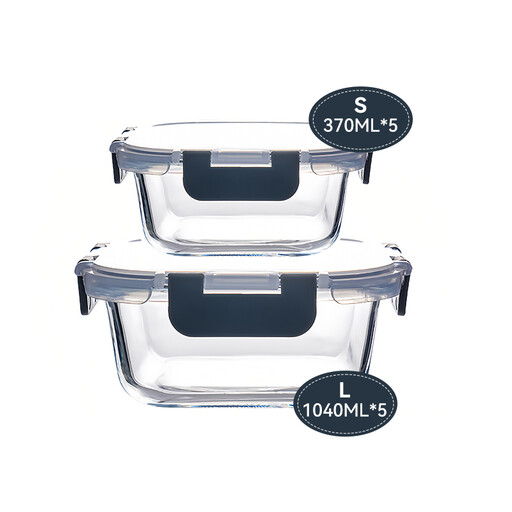
Why This Fits Their Persona: For those who cook in batches and value quality, this comprehensive glass food storage set is ideal. It includes multiple sizes for everything from small portions of sauce to large family-sized meals, allowing you to cook, store, freeze and reheat all in the same dish.
This set avoids the 'Material Mismatch' pitfall. The high borosilicate glass is resistant to thermal shock, staining and odours, making it far superior to standard glass or plastic for storing and reheating varied meals.
The 10-piece set offers excellent value and uniformity for kitchen organisation. The snap-lock lids provide a secure, leak-proof seal for peace of mind.
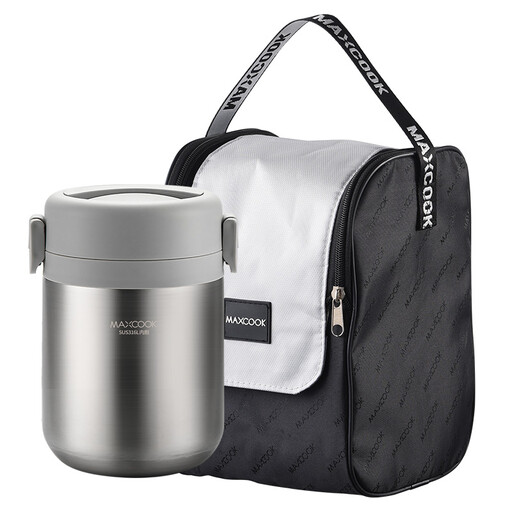
Why This Fits Their Persona: For anyone tired of queuing for the office microwave, this insulated food jar is a game-changer. It's designed specifically to keep soups, stews or pasta hot for hours, providing a warm meal anywhere. The included insulated bag adds another layer of temperature retention and makes it easy to carry.
This is a purpose-built solution, not a general container. Its vacuum insulation technology and secure, leak-proof lid are specifically engineered for temperature retention and safe transport, avoiding the pitfalls of using a standard container for hot liquids.
Made from durable 316 stainless steel, which is hygienic and won't retain odours. The wide mouth makes it easy to fill, eat from and clean.
We have compiled a complete, real-time list of products that fully satisfy these strict selection criteria and UK safety regulations.
Neither is inherently "better"; they simply serve different purposes. Glass food storage is superior for its non-staining, non-odour-retaining properties and its ability to go from freezer to oven (if borosilicate). This makes it ideal for home use, especially for acidic or colourful foods. Plastic is lighter, less prone to breaking if dropped and often more affordable, making it a practical choice for packed lunch boxes, picnics, or storing dry goods.
The best prevention is to avoid microwaving foods high in fat or colour, like tomato sauces or curries, in plastic containers. The heat can cause the plastic to expand and absorb the colour pigments. If a stain does occur, try making a paste of bicarbonate of soda and water, applying it to the stain and letting it sit for several hours before washing as normal.
BPA (Bisphenol A) is an industrial chemical that has been used to make certain plastics and resins. There have been health concerns about its potential to seep into food from containers. A 'BPA-free' label indicates that the product is made without this specific chemical, offering peace of mind for health-conscious consumers, particularly when the container will be used for storing food for long periods or for children's meals.