
24/7 Customer Support

Free returns

Same-day & Next-day Delivery

Quality Guaranteed

Unlock Your Welcome Offers: FREE Delivery | Up to 80% OFF | Free 30-day JoyPlus trial
Download the APP
Food storage containers can simplify packed lunches, batch cooking and leftover storage, but the wrong set often creates more problems than it solves. A lid that loosens in a work bag, a container that cannot tolerate temperature changes, or a bulky shape that wastes cupboard space can make an apparently good-value purchase frustrating within weeks.
This guide explains what to check before buying food storage containers, including airtight food containers, glass food storage containers, plastic food storage tubs with lids and stainless steel food containers. It also matches several options to different household needs, from students and meal-preppers to families and caterers.
The terms “fresh-keeping” and “airtight” can describe a lid designed to reduce air exchange, but they do not automatically confirm that a container is suitable for transporting soup or sauces. Check whether the product has a silicone seal, locking clasps or another stated closure system.
For liquid foods, avoid overfilling and allow hot contents to cool slightly before sealing. Pressure and condensation can affect how securely a lid fits.
A container may be freezer safe but unsuitable for the microwave, or microwaveable but not suitable for an oven. Glass food storage containers can sometimes be oven safe, but their lids may need to be removed first. Bamboo, plastic and silicone components can have different heat limits from the container itself.
Always check the product instructions rather than relying on the appearance of the material. Never place a bamboo or plastic lid in an oven unless the manufacturer specifically permits it.
A multi-piece food storage container set may look economical, but several very small tubs are not useful if your main requirement is storing family portions. Conversely, large containers can take up unnecessary fridge space when you mainly prepare sauces, snacks or overnight oats.
Consider the food you regularly store and compare the listed dimensions as well as the capacity. A 4oz tub, for example, is more suited to dips and small portions than a full serving of pasta.
Common choices include:
For products sold in Great Britain, look for clear information that the item is intended for food contact. UK food-contact materials must comply with applicable safety requirements, but the listing should still explain how the product should be used and cleaned.
A silicone gasket can help form a closer seal, while locking clasps can provide additional closure security. Neither feature removes the need to fit the lid correctly. Check that seals are seated properly, free from food debris and not cracked.
Removable seals are easier to inspect and clean, but they can be misplaced. Bamboo lids may need wiping rather than dishwasher cleaning. Plastic lids can absorb strong smells over time, particularly when used for curry, tomato sauces or oily foods.
Stackable kitchen storage containers should have compatible footprints and lids that do not overhang excessively. Round containers can be useful for porridge, sauces and pantry staples, while rectangular shapes may use fridge shelves more efficiently.
For meal preparation, verify:
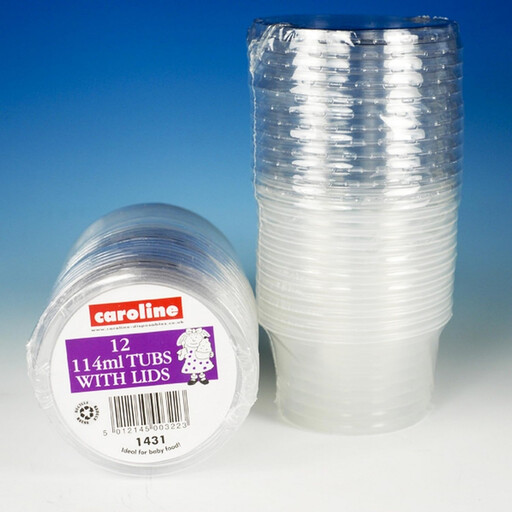
Why This Fits Their Persona: A 12-pack gives students, first-time renters and households preparing small portions a practical starting point for dips, snacks, chutneys and dressings.
The stated 4oz capacity and 75mm diameter x 55mm depth make its intended small-serving use clear, avoiding vague sizing.
Clear plastic, matching lids, microwaveable and freezer-safe design, with a compact round shape.
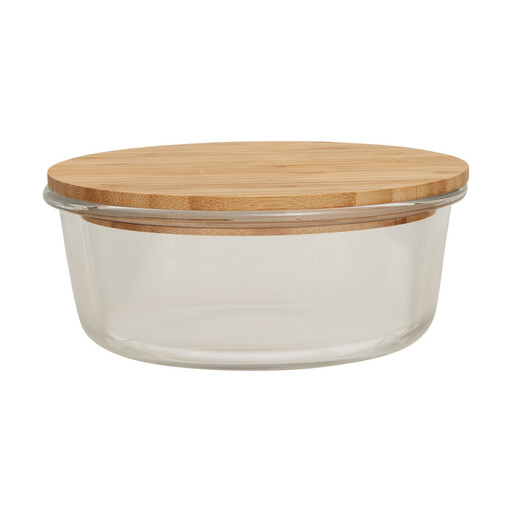
Why This Fits Their Persona: Suitable for shoppers wanting a presentable container for leftovers, pantry staples or prepared meals, with a clear round format for quick identification.
The listing states that the borosilicate glass is oven safe while the bamboo lid must be removed and kept away from heat.
950ml capacity, borosilicate glass, bamboo lid and silicone seal. The lid is not suitable for an oven or microwave.
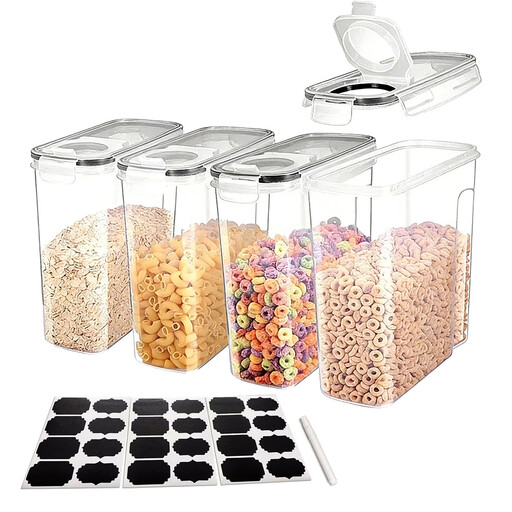
Why This Fits Their Persona: A four-piece format may suit households organising several ingredients or larger batches, subject to checking the exact capacity and dimensions on the product page.
Its transparent sealed design makes contents easier to identify and addresses moisture-storage needs without relying on opaque packaging.
Four containers, transparent construction and a sealed format. Confirm appliance compatibility before heating or freezing.
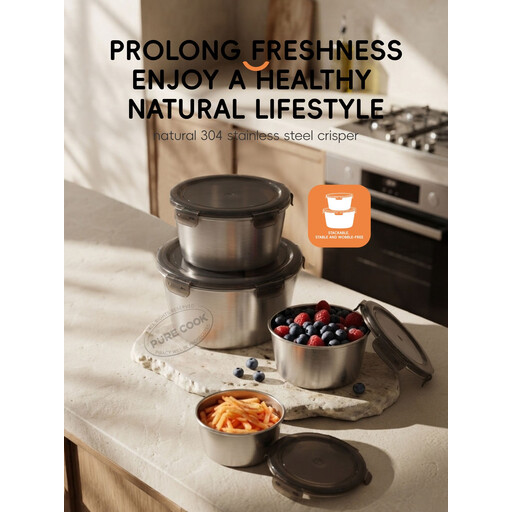
Why This Fits Their Persona: A four-pack of round metal containers is suited to repeated storage by caterers, busy households and shoppers who prefer a robust alternative to glass.
The stated 304 stainless steel construction provides material clarity, while clasps indicate a defined closure system. Metal remains unsuitable for microwave use.
304 stainless steel, four round containers and PP lids with clasps. Check the listing for exact capacity and cleaning instructions.
Wash containers promptly after storing food and dry them fully before stacking. Keep strong-smelling foods in suitable sealed tubs, and inspect silicone seals and plastic lids regularly for warping, cracks or persistent odours.
For containers for leftovers, label the date and contents so older food is used first. When freezing, leave space for expansion and avoid placing hot food directly into a cold freezer. For microwave use, loosen or remove the lid as instructed to allow steam to escape.
If your routine includes breakfast preparation, browse the wider overnight oats container category for formats designed around individual portions.
We have compiled a complete, real-time list of products that fully satisfy these strict selection criteria and UK safety regulations.
Some are, particularly products made from borosilicate glass, but suitability depends on the specific listing and instructions. Remove bamboo, plastic or other non-oven-safe lids before heating, and avoid sudden temperature changes that could damage the glass.
Only when the product is specifically described as both freezer safe and microwaveable. Allow frozen food to vent appropriately during reheating, follow the manufacturer’s instructions and check the tub for damage before repeated use.
Many people start with three to seven containers, depending on whether they prepare several days of meals at once. Choose capacities that match your portions rather than selecting a large food storage container set solely because it contains more pieces. A mixture of larger tubs and small containers for sauces can be more practical than identical sizes.