
24/7 全天候客户支持

免费退货

当日/次日达

品质保障

开启新人专享福利: 全场免邮 | 低至 2 折 | 免费试用 30 天 JoyPlus 会员
下载 Joybuy
Finding the right food storage containers can feel surprisingly complicated. You want something that keeps your lunch fresh, your leftovers secure and your cupboards tidy. Yet, many of us have a collection of mismatched, stained and warped containers with lids that no longer fit. It’s a common frustration that leads to wasted food and money.
As the Joybuy Product Recommendation Officer, my role is to help you navigate the market and make choices that are practical and long-lasting. Before you buy another set, let’s look at the common pitfalls that catch out even the most careful shoppers.
To avoid these issues, focus on a few core specifications. Getting these right is the key to finding containers that will serve you well for years.
The material of your container is the single most important factor.
A container is only as good as its seal. For truly airtight food containers, inspect the lid design. Look for a substantial silicone seal that is either integrated into the lid or is removable for thorough cleaning. The locking mechanism is just as important. Sturdy, well-engineered clips that provide a confident 'click' are far more reliable for a reusable lunch box than a simple press-on lid, which can easily pop open during transit.
Consider how you will use the container most often.
Here are a few options that align with these principles, matched to different needs and lifestyles.
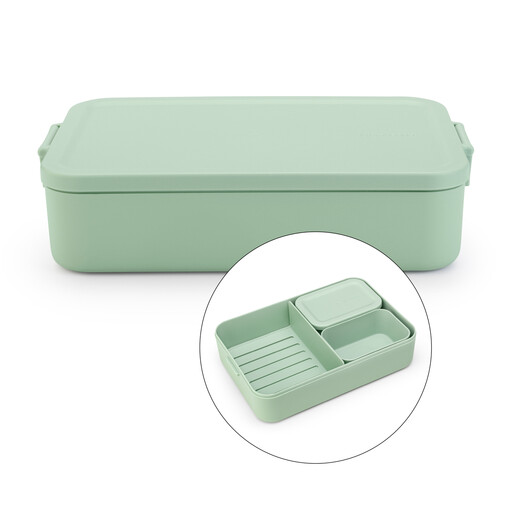
Why This Fits Their Persona: This is for the person who packs a substantial lunch. Its large 2L capacity and bento-style dividers are ideal for carrying a varied meal to the office without everything mixing together.
The secure clips provide a confident lock, directly addressing the "airtight illusion" and preventing leaks during a commute. It's a durable, single unit designed for long-term reuse.
It's an all-in-one system that is freezer, microwave and dishwasher safe. The divider cleverly doubles as a lifting tray for easy access to food.
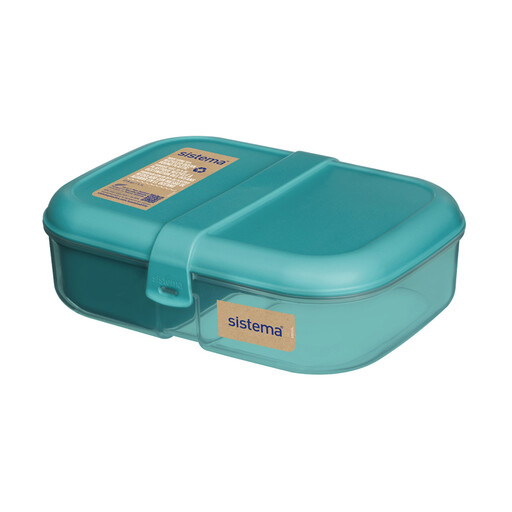
Why This Fits Their Persona: This is a great choice for anyone wanting to make a more sustainable purchase without sacrificing functionality. It's ideal for packed lunches for school or work, with compartments to keep snacks and sandwiches separate.
It counters the "eco-friendly mirage" by being made with 35% certified recycled ocean-bound plastic. It's a durable, reusable solution that actively helps reduce plastic pollution.
The material is BPA-free and food-grade certified. It includes a removable tray and a Mini Bite Pot, offering excellent bento-style versatility.
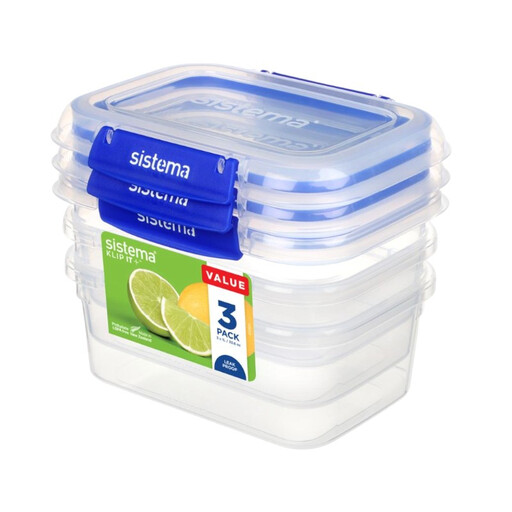
Why This Fits Their Persona: For those who value an orderly fridge and pantry, this set is a workhorse. The uniform, stackable design is space-efficient, and the 1L size is perfect for storing leftovers, prepped ingredients or dry goods.
This set avoids the "false economy" trap by offering durability and a superior seal. The robust clips and built-in flexible seal are designed for longevity, ensuring food stays fresh.
The distinctive easy-locking clips provide a reliable seal. The set is versatile for fridge, freezer and microwave use (without the lid), simplifying food management.
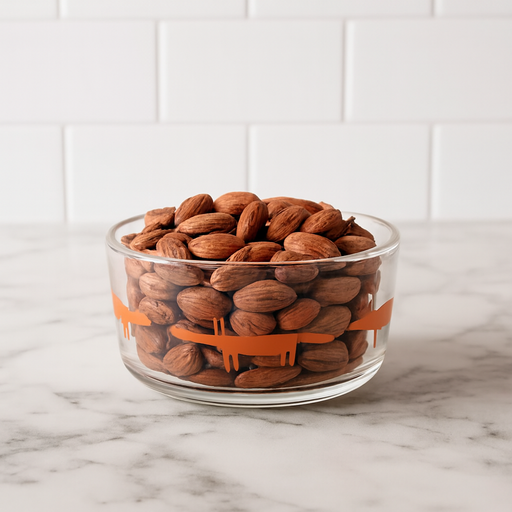
Why This Fits Their Persona: This is for someone who appreciates design and wants storage that can also be used for serving. It's perfect for baking and serving individual desserts, storing dips or keeping small portions of leftovers.
As a glass food storage dish, it completely sidesteps the staining and warping issues of plastic. The sustainable bamboo lid is a durable, high-quality alternative to flimsy plastic lids.
The glass dish is oven-safe, allowing for true oven-to-table use. The bamboo lid is naturally antibacterial and heat-resistant, so it can even be used as a coaster for the hot dish.
We have compiled a complete, real-time list of products that fully satisfy these strict selection criteria and UK safety regulations.
It depends entirely on your primary use. Glass is superior for avoiding stains and odours, and its ability to go in the oven is a major benefit for home cooks. However, it is heavier and can break. For portability, such as in a reusable lunch box, high-quality, BPA-free plastic food containers are often more practical due to their light weight and durability.
Staining from foods like curries or tomato-based sauces is a common issue with plastic. The best defence is to rinse the container with cold water immediately after use, before washing with hot, soapy water. For existing stains, creating a paste from bicarbonate of soda and water and leaving it in the container overnight can often lift the discolouration.
A 'microwave safe' label indicates that the container's material has been tested and will not warp, melt or leach chemicals into your food when heated. It is vital to follow the manufacturer's specific guidance. This usually involves removing the lid completely or opening a vent to allow steam to escape, which prevents a dangerous build-up of pressure. If a container is not explicitly marked as microwave safe, you should not use it for reheating.