
24/7 Customer Support

Free returns

Same-day & Next-day Delivery

Quality Guaranteed

Unlock Your Welcome Offers: FREE Delivery | Up to 80% OFF | Free 30-day JoyPlus trial
Download the APP
A good set of food storage containers can bring order to a chaotic kitchen, simplify weekly meal prep and make packed lunches a breeze. Yet, finding the right ones can feel like a gamble. Many of us have experienced the frustration of a "leak-proof" lunch box that soaks a work bag, or a set of containers that become stained and warped after just a few uses.
Before you invest in another set that promises the world, it is important to understand the common pitfalls. Many shoppers are caught out by three key issues:
By understanding what to look for, you can avoid these issues and select containers that are genuinely useful, durable and fit for purpose.
To make a smart purchase, focus on a few core parameters rather than marketing buzzwords. These factors will determine the container's performance, longevity and suitability for your daily routine.
The material is the most critical choice and directly impacts how you can use the container.
A secure lid is non-negotiable for anyone planning to transport food. For true airtight food storage, look for lids that feature two key components: a silicone gasket (a removable rubber-like ring) and four-sided locking clips. This combination creates a firm, even pressure that forms a reliable seal, keeping food fresher for longer and preventing leaks in your bag.
Effective storage is about more than just putting a lid on it. For stackable storage boxes, check for features like indented lids or raised edges that allow one container to sit securely on top of another without sliding. For nesting sets (where containers fit inside one another when empty), ensure they have a slightly tapered design that prevents them from creating a vacuum and getting stuck.
To help you navigate the options, we have matched some products to common UK lifestyles, focusing on how they solve the key challenges of food storage.
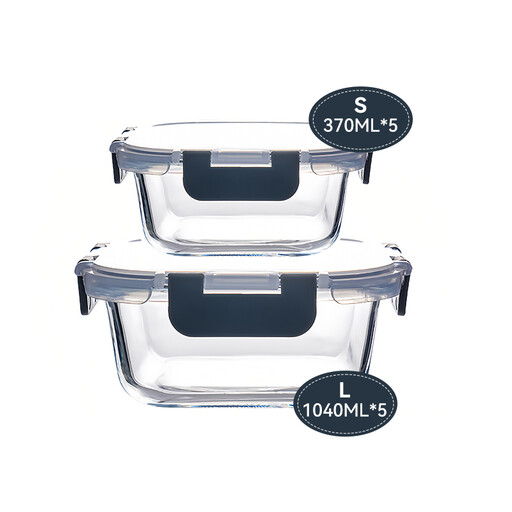
Why This Fits Their Persona: This 10-piece set is ideal for anyone who prepares their weekly meals in advance. The combination of large and small glass food containers is perfect for portioning mains and sides and the glass base allows for easy reheating in the office microwave without fear of staining.
The secure snap-lock lids with silicone seals directly address the "leak-proof" myth, providing a genuinely airtight closure for transporting soups and sauces. The high borosilicate glass construction ensures it won't stain or hold odours from last week's curry.
The glass is thermal shock-resistant, making it safe to go from freezer to microwave. The set includes two versatile sizes, covering most meal prep container needs.
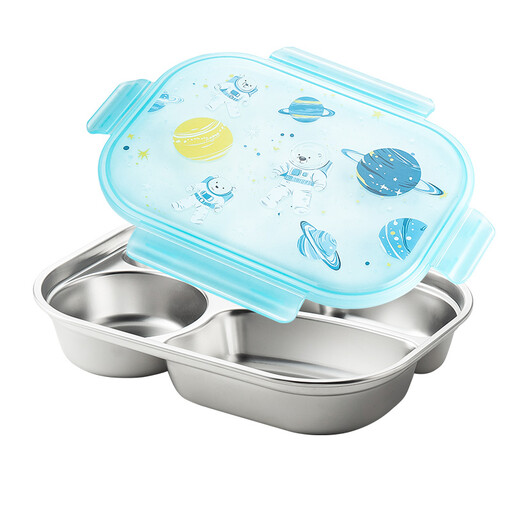
Why This Fits Their Persona: For parents packing a child's lunch box or adults seeking a durable, non-plastic option, this stainless steel bento box is an excellent fit. The four compartments keep different foods like fruit, sandwiches and snacks separate and fresh without needing extra bags or wrappers.
This container sidesteps the material mismatch trap entirely. The food-grade 316 stainless steel is tough, rust-resistant and won't absorb odours or stains. The rigid structure means it will not warp or lose its shape over time.
Its key advantage is the compartmentalised design, which promotes portion control and keeps food from mixing. It is also highly durable and a long-lasting alternative to plastic containers.
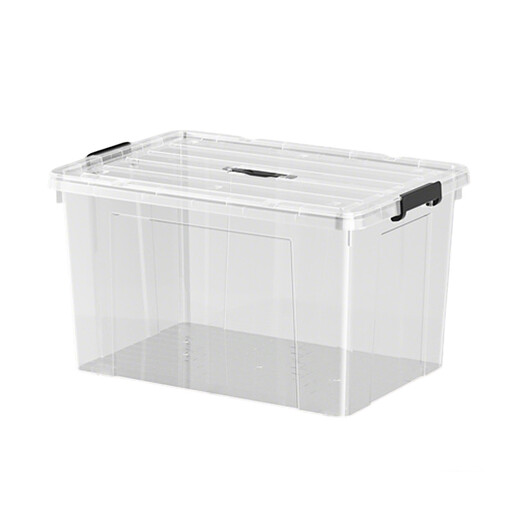
Why This Fits Their Persona: For those focused on organising a pantry, garage or closet, these large-capacity plastic storage boxes with lids are a practical solution. Their transparent design allows you to see the contents at a glance, while the generous size is suitable for bulk items, seasonal clothing or household supplies.
This product directly solves the poor stackability problem. Its design includes a flat top, reinforcing ribs and an anti-slip bottom, ensuring that the boxes can be stacked securely to maximise vertical space without the risk of toppling over.
The primary advantage is its structural integrity. The 2.5mm thickened body and reinforced corners make it a durable choice for heavier items, while the built-in handles make it easier to lift and move.
We have compiled a complete, real-time list of products that fully satisfy these strict selection criteria and UK safety regulations.
Neither is inherently "better"; they simply serve different purposes. Glass is excellent for reheating and avoiding stains and odours, making it ideal for leftovers stored at home. However, it is heavier and can break. Plastic is lightweight, durable and more portable, making it a great choice for cold lunches, sandwiches and pantry organisation. The right choice depends on your primary use.
To minimise staining from foods like curries or pasta sauces, you can apply a light coating of cooking oil spray to the inside of the container before adding the food. It is also advisable to rinse the container as soon as possible after use. Once stained, leaving a paste of bicarbonate of soda and water in the container overnight can sometimes help lift the discolouration.
BPA stands for Bisphenol A, a chemical that has been used in the production of certain plastics. There have been health concerns associated with BPA leaching from containers into food. A "BPA-free" label indicates that the product is made without this specific chemical, which is a common standard for food-grade plastic containers sold in the UK.