
24/7 Customer Support

Free returns

Same-day & Next-day Delivery

Quality Guaranteed

Unlock Your Welcome Offers: FREE Delivery | Up to 80% OFF | Free 30-day JoyPlus trial
Download the APP
A well-organised kitchen starts with the right storage. Yet, choosing the right food storage containers can feel like a gamble. We’ve all been there: you buy a promising set, only to find the lids warp, the plastic stains or the "airtight" seal gives up after a few uses. This not only creates clutter but also leads to food waste and frustration.
As the Joybuy Product Recommendation Officer, my role is to help you navigate the market and identify products that deliver on their promises. Before you spend another pound, let's look at the common pitfalls that catch out UK shoppers and how you can avoid them to find containers that truly work for your home.
The "Airtight" Illusion: Many containers claim to be airtight, but the reality is often a flimsy seal that fails after a few trips through the dishwasher. A poor seal means your biscuits go soft, your coffee loses its aroma and freezer burn ruins your batch-cooked meals. The locking mechanism is just as important; weak clips can snap or loosen, rendering the container useless.
The Material Mismatch: Not all plastics are created equal. A common mistake is buying containers that aren't genuinely freezer safe or microwave safe. Low-quality materials can become brittle and crack at low temperatures or, more concerningly, warp or potentially leach chemicals when heated. This makes them unsuitable for the very tasks they are often bought for, like storing leftovers and reheating lunches.
The Staining and Odour Sponge: There is nothing less appealing than a container that is permanently stained orange from a bolognese or forever smells of last week's curry. Cheaper, porous plastics are notorious for absorbing colours and odours, making them difficult to clean and unpleasant to reuse for different types of food.
To ensure your new kitchen storage containers are a lasting investment, focus on these non-negotiable features.
A truly airtight food container depends on two things: the seal and the clips. Look for containers with a dedicated, flexible seal, often made of silicone, that is embedded into the lid. This creates a much more reliable barrier against air and moisture than a simple plastic-on-plastic ridge. The locking clips should feel sturdy and engage with a satisfying click, ensuring the lid is held down firmly and evenly on all sides. This is paramount for effective pantry organisation and for anyone using meal prep containers on the go.
Always check that your chosen containers are explicitly labelled as BPA-free. This ensures the plastic is free from Bisphenol A, a chemical that has raised health concerns. Beyond that, confirm their temperature resilience. A genuinely versatile container should be:
The shape and design of a food storage container set directly impact its usefulness. Rectangular or square containers are far more space-efficient for stacking in the fridge, freezer or pantry compared to round ones. Look for sets with modular, stackable designs that create a neat, stable system. Clear containers also allow you to see the contents at a glance, saving you time and preventing forgotten leftovers.
Based on these practical criteria, here are some recommendations matched to different household needs.

Why This Fits Their Persona: Ideal for portioning out a week of lunches or dinners. The 1L size is perfect for a single meal, and the uniform shape makes them easy to stack in the fridge and carry in a bag without leaks.
The distinctive Sistema easy-locking clips and built-in flexible seal directly counter the 'airtight illusion', providing a secure closure that keeps prepped meals fresh and prevents spills.
Fully freezer, microwave (lid off) and dishwasher (top rack) safe. The BPA-free plastic offers peace of mind for daily use.

Why This Fits Their Persona: This large-capacity container is perfect for storing bulk pantry items like flour, rice or pasta, or for keeping large batches of soup or stew in the freezer. It helps keep the pantry organised and ingredients fresh.
The robust seal and clips are essential for a container this large, preventing accidental spills of heavy contents and protecting bulk goods from air and moisture, which avoids waste.
Its generous 7.5L capacity is a major benefit for families and bulk cooking. It is also part of a modular stacking system, optimising pantry or freezer space.
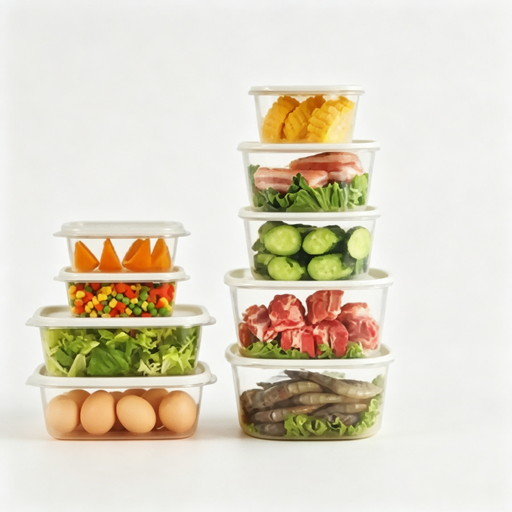
Why This Fits Their Persona: For those looking to create a uniform, organised kitchen, this comprehensive food storage container set provides a variety of sizes in a matching design. It's an all-in-one solution for overhauling pantry and fridge storage.
This set avoids the material mismatch trap by being clearly specified as microwave and freezer safe. The consistent quality across the set ensures every piece is reliable for its intended use.
Provides a range of coordinated sizes for different storage needs, from small portions to larger items. The leakproof and airtight design is consistent across the entire set.
We have compiled a complete, real-time list of products that fully satisfy these strict selection criteria and UK safety regulations.
To minimise staining from foods like tomato sauces or curries, it's helpful to apply a light coating of cooking oil spray to the inside of the container before adding the food. If a stain does occur, try making a paste of bicarbonate of soda and water, applying it to the stain and letting it sit for several hours before washing as normal.
Both materials have their advantages. Glass is non-porous, so it won't stain or absorb odours and it can often be used in the oven. However, it is heavier, more expensive and can break. High-quality, BPA-free plastic food containers are lightweight, durable and more affordable. They are often more practical for carrying lunches or for households with children. The right choice depends on your primary use and personal preference.
'BPA-free' means the plastic is made without Bisphenol A, an industrial chemical used to make certain plastics and resins. Due to public health concerns about BPA potentially seeping into food, many consumers and manufacturers have moved towards BPA-free plastics, especially for products that come into contact with food, like baby bottles and food storage containers. Choosing BPA-free is a straightforward way to make a more cautious choice for your kitchen.