
24/7 Customer Support

Free returns

Same-day & Next-day Delivery

Quality Guaranteed

Unlock Your Welcome Offers: FREE Delivery | Up to 80% OFF | Free 30-day JoyPlus trial
Download the APP
Finding the right food storage containers can feel like a chore. We’ve all been there: a fridge filled with mismatched tubs, a lunch bag with a suspicious puddle at the bottom, or leftovers that have lost their freshness overnight. An organised kitchen starts with reliable storage, but with so many options available, choosing the right ones can be confusing.
This guide is designed to help you navigate the choices. We will outline the key features to look for and provide a few practical recommendations to help you find durable, reusable and effective kitchen storage solutions, whether you're a meal prep enthusiast, a busy parent, or simply want to keep your food fresh for longer.
Before you buy, considering a few key factors will ensure you select containers that fit your lifestyle and needs.
The material of your container is arguably the most important decision. Each has distinct advantages.
A container is only as good as its lid. A poor seal can lead to spoiled food and messy spills.
Consider how you will use your containers day-to-day.
Based on these practical considerations, here are a few standout options that cater to different needs and preferences.
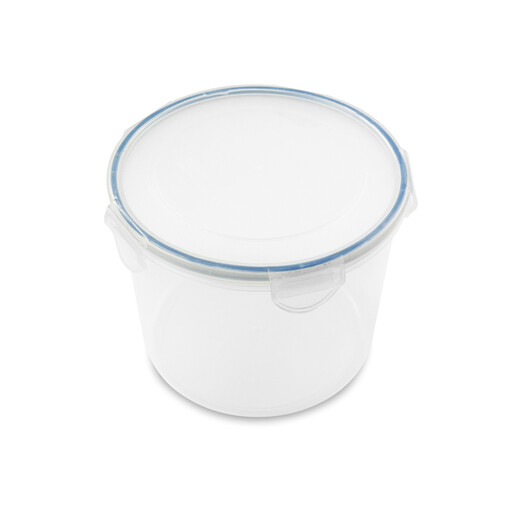
Why It Stands Out: This container from Addis, a British brand with a long history, is a versatile workhorse. Its generous 2-litre capacity makes it perfect for storing everything from a large batch of soup to baking ingredients. The four-clip locking system and silicone seal create a reliable airtight and leak-resistant closure.
Pros:
Who is it for? This is an excellent all-rounder for families or anyone needing a large, reliable container for storing leftovers, dry goods or even non-food items. It is a practical and reusable alternative to single-use wraps.

Why It Stands Out: This comprehensive 10-piece set is ideal for anyone serious about meal prep containers. The containers are made from high borosilicate glass, which is resistant to thermal shock, allowing you to move them safely between the freezer and microwave. The set includes two useful sizes (five 1040ml and five 370ml) to cover everything from main courses to snacks.
Pros:
Who is it for? This set is perfectly suited for health-conscious individuals and busy professionals who regularly prepare meals in advance. The glass construction ensures food purity, and the multiple sizes offer great flexibility.

Why It Stands Out: For those seeking a durable, plastic-free option, this set from Maxcook is an excellent choice. It is crafted from 316 stainless steel, a premium food-grade material known for its superior resistance to corrosion from salts and acids compared to the more common 304 grade. This makes it exceptionally hygienic and long-lasting.
Pros:
Who is it for? This set is ideal for anyone looking for a robust, non-toxic and long-lasting storage solution. It is perfect for packing lunches, storing snacks, or organising pantry items without the worry of plastic contact or breakage.
While these recommendations cover a range of common needs, every kitchen is different. If you are looking for different sizes, shapes or materials, there are many other options to explore.
Discover a wider selection of containers to perfect your kitchen organisation by browsing our full Food Storage Holder category.
Yes. BPA (Bisphenol A) is an industrial chemical that was previously used in some plastics. Reputable manufacturers now produce food containers from plastics that are certified BPA-free. When used as intended (e.g., adhering to microwave and dishwasher guidelines), these containers are considered safe for food storage.
High borosilicate glass is specifically engineered to withstand rapid temperature changes. However, to maximise the lifespan of both the glass container and its lid seal, it is good practice to let boiling-hot food cool for a few minutes before sealing and storing it. Avoid transferring any glass container directly from a hot oven to a cold surface.
While 304 stainless steel is common for kitchenware, 316 stainless steel contains an added element, molybdenum. This significantly enhances its resistance to corrosion, especially from chlorides (like salt) and acids found in many foods. This makes it an exceptionally durable and hygienic material for long-term food contact.