
24/7 Customer Support

Free returns

Same-day & Next-day Delivery

Quality Guaranteed

Unlock Your Welcome Offers: FREE Delivery | Up to 80% OFF | Free 30-day JoyPlus trial
Download the APP
Finding the right food storage containers can feel like a surprisingly complex task. You are looking for something to keep your food fresh, make meal prep easier and bring order to your kitchen. Yet, the market is flooded with options that often fail to deliver on their promises, leading to wasted food and money. As a Joybuy Product Recommendation Officer, my role is to help you navigate these choices by highlighting what truly matters.
This guide cuts through the marketing clutter. We will look at the common pitfalls that catch out unwary buyers and focus on the key features that define a genuinely useful container, helping you find a solution that fits your lifestyle, whether you are packing a daily reusable lunch box or embarking on a full kitchen organisation project.
Before you buy, be aware of these frequent issues that can turn a promising purchase into a cupboard-cluttering regret.
airtight food container relies on a robust locking mechanism and a quality silicone gasket, not just a simple press-on lid.stackable storage boxes, but in reality, they have rounded lids or uneven bases that make stacking a precarious balancing act. This wastes valuable space in your fridge and cupboards, defeating the purpose of an organised system.To ensure you get a product that performs well and lasts, focus on these three non-negotiable factors.
The material of your container dictates its use, durability and maintenance.
meal prep containers and fridge storage boxes.The lid is just as important as the container itself. For a truly leak-proof and airtight seal, look for designs that feature:
airtight food container.For efficient kitchen organisation, a container's shape is critical.
To help you find the right fit, here are some options from our catalogue, matched to different household needs.
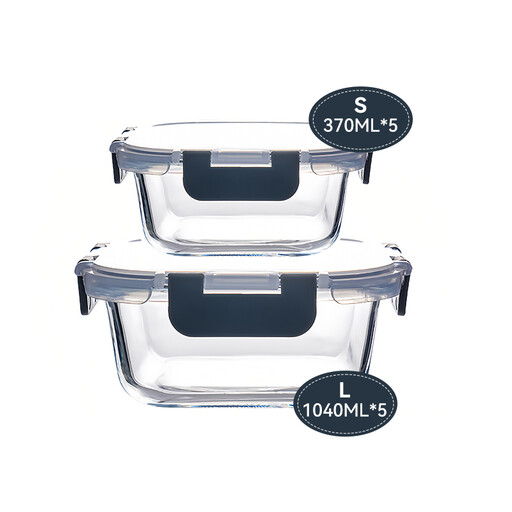
Why This Fits Their Persona: This 10-piece glass food container set is ideal for anyone who batch-cooks for the week. The two sizes are perfect for mains and sides, and the ability to go from freezer to microwave simplifies the process of preparing and reheating meals.
It directly counters the "material mismatch" pitfall. The high borosilicate glass is thermal shock-resistant, preventing cracks when reheating. The robust snap-lock lids also solve the "airtight myth" with a reliable seal.
A complete food container set that is non-staining, odour-resistant and designed for the cook-freeze-reheat cycle of modern meal prepping.
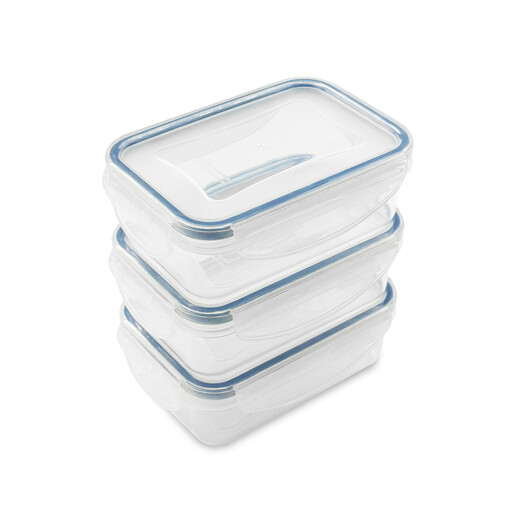
Why This Fits Their Persona: This is a practical, no-fuss solution for daily use. It is perfect for storing leftovers, packing small snacks or keeping chopped ingredients fresh in the fridge. The clear, BPA-free plastic makes it easy to see what is inside.
The four-clip locking system and silicone seal provide a genuinely airtight and leak-proof closure, avoiding the common pitfall of ineffective lids. They are also designed to nest and stack properly, solving the "stackable deception".
A reliable and affordable system that is freezer, microwave (lid removed) and dishwasher safe, offering great versatility for a busy household.
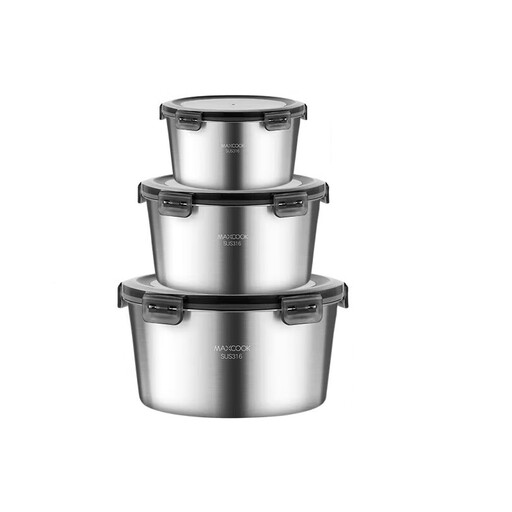
Why This Fits Their Persona: For those seeking maximum durability and a plastic-free option, this stainless steel set is an excellent choice. It is ideal for storing dry goods in the pantry, keeping salads crisp in the fridge or packing a robust lunch that will not get crushed.
This set completely bypasses the common issues of plastic, such as staining, warping and odour retention. The high-grade 316 stainless steel offers superior longevity compared to most other materials.
Unmatched durability and hygiene. This material is highly resistant to corrosion and does not leach chemicals, making it a safe and long-lasting investment for food storage. Note: not for microwave use.
We have compiled a complete, real-time list of products that fully satisfy these strict selection criteria and UK safety regulations.
Here are answers to a few common questions we receive about food storage containers.
Neither is inherently "better"; they simply serve different purposes. Glass is superior for reheating and avoiding stains and odours, making it great for leftovers. Plastic is lighter, less likely to break and often more affordable, which makes it a practical choice for packed lunches, kids' snacks and general fridge storage boxes. The ideal kitchen often has a mix of both.
To extend the life of your containers, always follow the manufacturer's care instructions. For plastic containers with locking lids, it is often a good idea to hand-wash the lids to preserve the integrity of the silicone seal. For glass, avoid sudden extreme temperature changes (e.g., pouring boiling water into a frozen container). Ensure all components are completely dry before storing to prevent mould.
BPA (Bisphenol A) is an industrial chemical that has been used to make certain plastics. There have been health concerns about it potentially seeping from containers into food. A "BPA-free" label indicates that the product is made from an alternative plastic, such as polypropylene (PP), which is widely considered a safer choice for food and drink storage. It is a key standard to look for in any plastic food storage containers.