Small-batch shared-kitchen users
If you chop a modest quantity of pitted dates at a time, a processor needs to fit your available storage space and be practical to clean before the next person uses it.


For modest batches of pitted dates and limited cupboard space, start with a compact chopper or processor with a chopping blade and pulse control. If several people need different batch sizes, consider separate or nested bowls; in either case, check the working capacity and which parts can be cleaned between uses. A food-business kitchen also needs an appropriate cleaning and allergen-control process.
If you chop a modest quantity of pitted dates at a time, a processor needs to fit your available storage space and be practical to clean before the next person uses it.
For chopped pieces, paste-like mixtures or recipe inclusions, pulse control lets you stop and inspect the texture rather than relying on one continuous run.
If the same processor is used for dates and ingredients such as nuts or sesame, consider how its bowl, blade, lid and other contact surfaces will be cleaned between preparations. Food-business use calls for additional attention to cleaning and allergen management.
For chopping dates in a shared kitchen, decide which matters most to you: returning clean equipment to the next user, controlling texture or fitting your usual batch into the available space.
| Concern | What to check | Who this matters to |
|---|---|---|
| Clean-up and cross-contact | Check whether the exact bowl, lid and blade can be removed and how the manufacturer says to clean each part. If allergens are handled, plan how the shared equipment will be cleaned between preparations. | I need to hand the processor over without leaving date residue or ingredients from another recipe on its parts. Around 42% of consumers would put clean-up and cross-contact control first. |
| Chopped or paste-like texture | Look for a chopping blade and pulse control; inspect the mixture between short runs. Remove date pits before processing. | When my recipe calls for pieces rather than a finer mixture, I want to stop as soon as the texture is right; roughly 33% of consumers would make texture control their primary concern. |
| Batch size and storage | Compare working capacity with your usual quantity, not just the headline bowl size, and check where the appliance and accessories will go. | If I prepare small portions but share limited cupboard space, a large bowl and extra attachments may be awkward to keep. About 25% of consumers would prioritise batch-size and storage fit. |
The amount suitable for dry preparation can be smaller than the bowl size. Kenwood GB lists a 1.3L bowl but a 0.75L dry working capacity for the MultiPro Go FDP23.130GY.
Compare the stated working capacity, where available, with the amount of pitted dates and other ingredients you normally prepare.
Cleaning instructions can differ by model and component. A claim about a bowl does not establish how to wash its lid, blade or every supplied disc.
Check the manual for the exact version you intend to buy and agree how its parts will be cleaned and returned after shared use.
Magimix UK instructs cooks to pit dates before putting them in the machine bowl in its date-oat milkshake recipe.
Inspect and pit the dates first, then follow your processor’s instructions and check the texture between pulses.
In a food-business kitchen, shared equipment needs an organised cleaning process. GOV.UK says a cleaning schedule should cover what is cleaned or disinfected, how often and with which products; its allergen guidance for England, Northern Ireland and Wales also addresses allergen management during preparation.
Set out the applicable cleaning and allergen-control procedure before sharing a processor between recipes. Seek guidance specific to Scotland if the business operates there.
Kenwood GB’s MultiPro Go FDP23.130GY is a compact-format reference for modest batches and limited storage.
Cuisinart UK lists processors with separate bowl sizes for kitchens that switch between smaller and larger preparations.
Magimix UK lists larger food processors for people who will use the appliance for regular food preparation beyond chopping dates.
These choices include small choppers, a nested-bowl chopper and larger processor-and-blender combinations. Use your normal date quantity and shared cleaning routine to narrow the format before comparing individual models.
 No image available
Consider this compact chopper if you prepare modest quantities and have limited storage space.
 No image available
Consider this larger processor if date chopping is one of several regular preparation tasks and you have room to store its accessories.
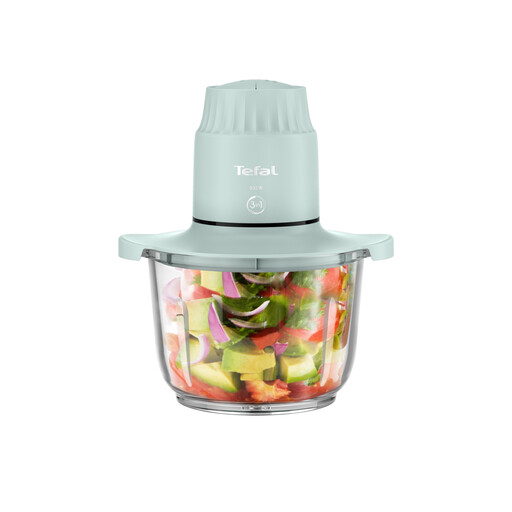 No image available
This chopper is worth considering for a modest batch when you want to stop and inspect the date texture during preparation.
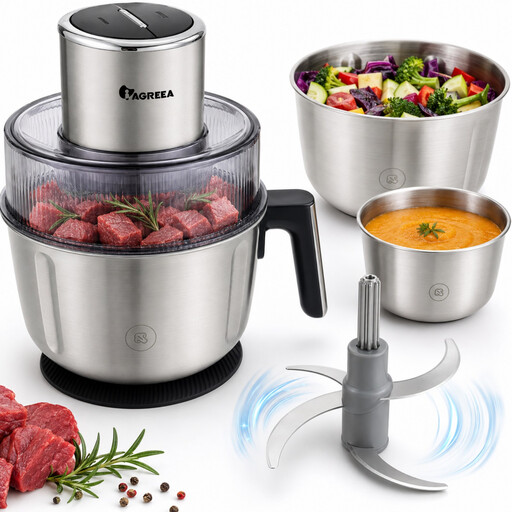 No image available
Consider the nesting bowls if shared users prepare different quantities and have a place to keep the parts together.
 No image available
Consider this combination if the shared kitchen needs both a processor and a blender and has space for their separate parts.
Yes—inspect and pit the dates before putting them in the processor. Magimix UK gives this instruction in its date-oat milkshake recipe; also follow the instructions for your particular appliance.
A mini chopper can suit modest batches when storage space is tight; choose a larger processor if you also need to prepare larger quantities or perform other tasks. Cuisinart UK, for example, specifies a 900ml bowl for the Mini Prep Pro ECH4U and separate 0.7L and 1.9L bowls for the FP8U. Compare the working quantity and controls of the exact model with your recipes.
For domestic shared use, follow the appliance manual and agree how users will clean the bowl, blade, lid and any seals before handing it over. If the kitchen operates as a food business, GOV.UK says its cleaning schedule should identify what needs cleaning or disinfection, how often and which products to use.
They can when a shared kitchen operates as a food business: GOV.UK’s allergen guidance for England, Northern Ireland and Wales addresses providing required allergen information and managing allergens during food preparation. This matters if the processor is also used for ingredients such as nuts or sesame. A domestic shared kitchen is not automatically a food business; seek Scotland-specific guidance if that is where the business operates.