For a larger picnic batch, consider a full-size food processor with a suitable mixing tool; for a modest batch and limited storage space, a compact model may be enough if the mixture fits its working capacity. Check the stated dry working capacity rather than relying on bowl volume alone, and look for pulse control if you want to stop before the oats, nuts or fruit become too finely chopped.
Who this suits
Picnic batch makers
If you make oat bars for several people, usable capacity matters more than the bowl size on its own. Kenwood lists a 1.5 L dry working capacity for its 3 L FDP65.180SI, while Magimix publishes model-specific maximum quantities separately from total bowl capacity.
Small-kitchen snack makers
For an occasional, modest batch, easy storage may matter more than processing everything at once. Kenwood describes its MultiPro Go as suitable for drawer storage and lists a 0.75 L dry working capacity.
Texture-conscious recipe makers
If you want recognisable pieces of nuts or dried fruit, choose a model whose controls let you stop and inspect the chop. Check the exact model’s included blade and mixing tools before deciding how you will combine the ingredients.
What matters when choosing
Start with the amount you need to process, then weigh texture control against storage space and clean-up.
| Concern |
What to check |
Who this matters to |
| Batch capacity |
Compare dry working capacity and the exact model’s maximum-processing guidance, not just bowl volume. |
If I am making bars for several people, I want to avoid splitting the ingredients into repeated loads. Around 31% of consumers put batch capacity first. |
| Storage |
Check the machine’s dimensions, accessory storage and usable capacity together. |
When I only make a small batch occasionally, I need a processor I can put away easily. Storage is the primary concern for around 23% of consumers. |
| Texture control |
Look for pulse control and confirm which chopping and mixing tools come with the exact variant. |
I want to stop chopping while the nuts and fruit still have some texture, before adding a sticky binder. Roughly 31% of consumers prioritise that control. |
| Cleaning and wider use |
Confirm which removable parts are dishwasher-safe and whether the supplied tools suit other preparation jobs. |
If the processor will also handle everyday food preparation, I want its parts to be manageable after a sticky mixture. For about 15% of consumers, cleaning and wider use come first. |
Common buying mistakes
-
Choosing by bowl volume alone
The bowl may hold more than the recommended working amount for dry ingredients. Kenwood, for example, lists a 3 L bowl but a 1.5 L dry working capacity for the FDP65.180SI.
Compare the stated working capacity and the manual’s limits with the amount your recipe requires.
-
Assuming a mixing tool is included
Accessory bundles differ between models, and a chopping blade is not necessarily the tool your recipe calls for when combining ingredients.
Check the exact variant’s accessory list and follow its instructions for using a dough or mixing tool.
-
Expecting a programme to choose your texture
Programmed processing patterns do not account for how coarse you want the oats, nuts or fruit. SharkNinja describes its Auto-iQ patterns as tailored to the attachment in use, not to an individual recipe preference.
Use short runs where the model permits, inspect the mixture between runs and try a small batch before making the full picnic quantity.
-
Overlooking cleaning between recipes
Food left on blades, lids or seals can cause allergen cross-contamination. The Food Standards Agency identifies controlling contact between allergenic ingredients and other foods as important.
Follow the manual when removing and cleaning food-contact parts, and check which components can go in the dishwasher.
Brands to consider for this task
Kenwood
Kenwood lists both compact and full-size processors, making working capacity a useful way to compare its models for different batch sizes.
- Kenwood specifies a 3 L bowl, 1.5 L dry working capacity, dough tool and pulse function for the FDP65.180SI.
- Its smaller MultiPro Go has a stated dry working capacity of 0.75 L, so check whether your mixture fits before choosing it for a larger batch.
Magimix
Magimix provides working-capacity figures and separate maximum-quantity guidance for its food processors.
- Magimix lists a 2.6 L total capacity, 1 L working capacity and a 30-year motor guarantee for the 3200XL.
- The 3200XL is listed at 6.7 kg; consider where you would store and use it rather than judging it by bowl size alone.
KitchenAid
The 5KFP0921 is a 2.1 L option for consumers interested in pulse control and supplied preparation tools.
- KitchenAid lists a multipurpose blade, dough blade and pulse action for the 5KFP0921.
- Check the model’s processing limits against your recipe before assuming its full bowl volume can hold one oat-bar batch.
Ninja
Ninja’s food-processor range includes models with programmed processing patterns for consumers who also prepare other recipes.
- SharkNinja describes Auto-iQ as using pulse, pause and process patterns tailored to the attachment.
- Bowls, tools and functions vary by model, so confirm the exact product’s controls and accessories before relying on a range-wide description.
Joybuy product choices
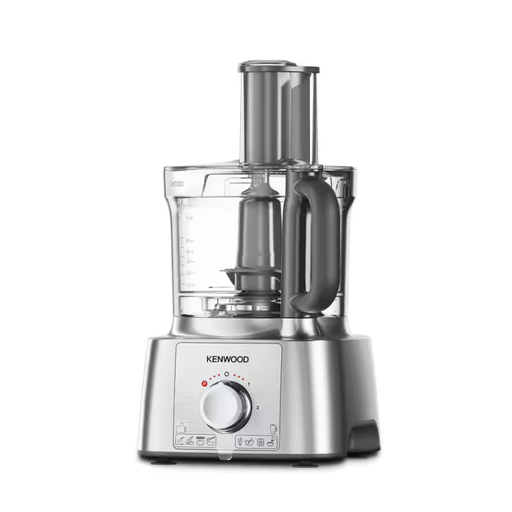
This full-size processor is worth considering if you want a stated dry working capacity for planning a larger picnic batch; the amount suitable for your particular mixture still depends on the model’s instructions.
 No image available
Kenwood MultiPro Express FDP65.180SI food processor, silver
Consider this model when you want to prepare a larger oat-bar mixture while retaining pulse control for the chopping stage.
Kenwood specifies a 3 L bowl and 1.5 L dry working capacity for the FDP65.180SI. The product listing states 1000 W, six accessories, a pulse function and dishwasher-safe attachments.
Check the manual’s maximum-processing guidance for your ingredients and confirm that the supplied tool suits the mixing step; the dry working capacity does not establish how much sticky oat-bar mixture fits in one run.
Joybuy
Questions about oat-bar preparation
What size food processor do I need for picnic oat bars?
Choose by the amount you can process, rather than bowl size alone. Kenwood lists a 1.5 L dry working capacity for the 3 L FDP65.180SI and 0.75 L for the compact MultiPro Go; compare your recipe quantity with the exact model’s working and maximum-processing guidance.
Should I use a chopping blade or a dough tool?
A chopping blade with pulse control can help you stop at the texture you want for oats, nuts or dried fruit. Use a supplied dough or mixing tool for the combining stage only if your recipe and the appliance instructions support it, and check that the tool comes with your chosen variant.
Can a compact processor handle an oat-bar mixture?
Yes, if the ingredients fit within that model’s working limits. Kenwood lists a 0.75 L dry working capacity for the MultiPro Go; divide a larger recipe into smaller loads rather than filling the bowl beyond its guidance.
How should I clean the processor when using nuts or other allergens?
Clean food-contact parts thoroughly between preparations and take care to prevent allergen cross-contamination. The Food Standards Agency identifies this as an important food-control issue; follow the appliance manual for removing parts and checking which are dishwasher-safe.


