
24/7 Customer Support

Free returns

Same-day & Next-day Delivery

Quality Guaranteed

Unlock Your Welcome Offers: FREE Delivery | Up to 80% OFF | Free 30-day JoyPlus trial
Download the APP
Dry heels, hard skin and rough soles are common concerns, particularly during colder UK months when indoor heating and low humidity can leave skin feeling tight. However, choosing a foot care cream based only on words such as “intensive”, “natural” or “repair” can lead to wasted money and disappointing results.
This guide explains the practical features to check before buying, then matches several products to different foot-care routines and preferences.
A thick cream may feel nourishing immediately, but texture alone does not tell you how well it supports dry skin. Look for recognised moisturising ingredients such as urea, glycerin, shea butter and petrolatum. These work in different ways: some attract water, while others help reduce moisture loss from the skin’s surface.
Essential oils and added fragrance may create a pleasant scent, but they can be unsuitable for people who prefer a fragrance-free routine or have sensitive skin. Always check the full ingredient list, including allergens such as limonene, linalool, citral and eugenol. A product described as gentle should still be checked against your own sensitivities.
A warming foot cream can feel comforting after a long day, but warming ingredients are not suitable for every situation. Avoid applying warming products to broken, inflamed or irritated skin, and stop using them if redness, itching or discomfort develops. Follow the product label rather than assuming that a stronger sensation means better care.
A 10% urea foot cream can be a practical option for dry, rough or callused feet. Urea is a humectant that helps attract moisture, while also helping soften the feel of thick, hardened skin. CCS Foot Care Cream contains 10% urea, making its ingredient concentration easy to compare with other products.
For mild dryness, a standard moisturising foot cream may be sufficient. For visibly rough heels or soles, compare the urea percentage and apply consistently rather than using a large amount only occasionally.
Ingredients such as petrolatum, mineral oil, shea butter and plant oils help form a protective layer that reduces moisture loss. This is particularly useful for a foot moisturiser for dry heels, where skin can become thicker and more prone to splitting.
For overnight use, apply the cream after washing and drying your feet, then wear breathable cotton socks if the product directions allow it. Avoid applying cream between the toes if the label advises against it, as excess moisture in that area may be uncomfortable.
A 150ml to 175ml container is convenient for regular daily foot care, especially when applying cream to both feet. Also compare:
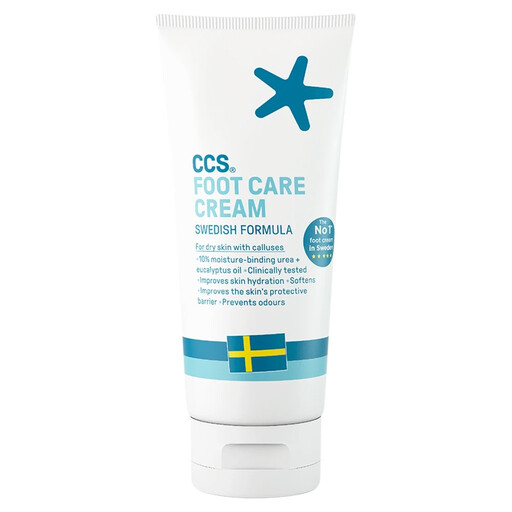
Why This Fits Their Persona: A straightforward option for shoppers starting a daily routine for dry, rough or callused feet, with a practical 175ml quantity for regular use.
Its stated 10% urea content gives shoppers a clear specification to compare, rather than relying only on vague claims about intensive moisture.
Contains 10% urea, glycerin and mineral oil; the formula is listed as free from added fragrance and lanolin.
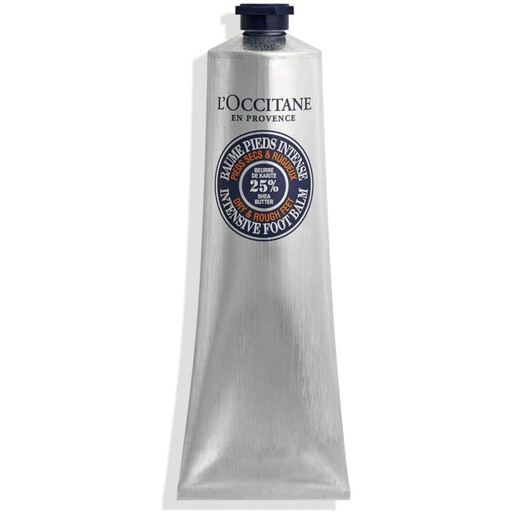
Why This Fits Their Persona: Suits shoppers who prefer a richer shea butter foot balm for evening application and targeted attention to dry heels, hard cuticles and rough areas.
The ingredient list identifies shea butter, glycerin, panthenol and sunflower seed oil, so the nourishing feel is supported by specific formulation details.
150ml balm texture; includes shea butter, panthenol and sunflower seed oil for a rich moisturising routine.
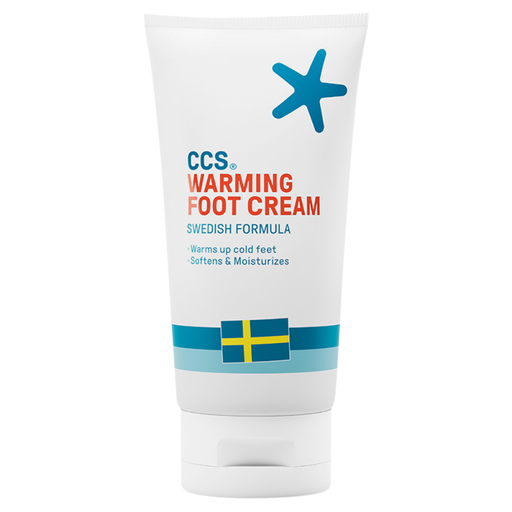
Why This Fits Their Persona: Designed for adults who want a warming foot cream after long periods of standing, walking or colder-weather commutes.
The warming sensation comes from listed Vanillyl Butyl Ether, making the feature identifiable rather than an unexplained marketing description.
150ml size; contains shea butter, glycerin and vitamin E derivatives, with a warming formula for external use.
If your heels are deeply split, bleeding, persistently painful or showing signs of infection, cosmetic foot care may not be appropriate. Consider seeking advice from a pharmacist or GP.
We have compiled a complete, real-time list of products that fully satisfy these strict selection criteria and UK safety regulations.
For everyday dryness, apply once daily, preferably after washing and drying your feet. A richer intensive foot balm can be used at night, while a lighter formula may be more convenient during the day. Follow the individual product directions.
Results vary according to the severity of dryness, the formula and how consistently it is used. Skin may feel softer after several applications, but persistent cracking requires regular care and should not be covered up with cream if the skin is open or inflamed.
Check the product warnings first. CCS Warming Foot Cream advises against use on broken, irritated, inflamed or sensitive skin with open wounds. For cracked heels, choose a non-warming moisturising foot cream only when the skin is intact, and discontinue use if irritation occurs.