
24/7 Customer Support

Free returns

Same-day & Next-day Delivery

Quality Guaranteed

Unlock Your Welcome Offers: FREE Delivery | Up to 80% OFF | Free 30-day JoyPlus trial
Download the APP
A foot massager can be a useful addition to a home relaxation routine after long shifts, extended walks, running sessions or hours at a desk. However, product pages often place greater emphasis on the number of massage functions than on the details that affect everyday usability.
Before buying an electric foot massager, watch for three common pitfalls:
A practical choice should match your foot size, preferred pressure, available space and the type of comfort you want. A manual foot massage roller may be enough for occasional use, while a heated machine may suit someone who wants a more structured session at home.
Look at whether the product works across the heel, arch and forefoot, rather than only stimulating one section. A full-foot design can be more suitable for people who spend much of the day standing, although the sensation may feel intense for first-time users.
Check the stated foot-size limit carefully. The Breo model listed here is specified for feet up to men’s size 12. For larger feet or if you prefer to wear thin socks, confirm the internal dimensions and return policy before ordering.
For a compact option, a manual roller requires no electrical connection and can be used while seated. It also allows you to control pressure by adjusting how firmly you place your foot on the rollers.
A Shiatsu foot massager with heat should provide clear temperature information and a separate heat control. The Breo model specifies an optional setting of 40–45°C, reaching its temperature gradually over approximately three to five minutes. The RENPHO WMF07 specifies a constant 55°C heat function.
These figures are not interchangeable. A higher temperature may feel too warm for some users, particularly during longer sessions. Always follow the supplied instructions, avoid falling asleep while using heat and stop if the warmth feels uncomfortable. People with reduced heat sensitivity, diabetes, neuropathy or circulation concerns should seek advice from a suitable healthcare professional before using heated or compression devices.
For electrical products in the UK, check that the listing includes suitable UK power information, clear instructions, manufacturer details and applicable product conformity markings such as UKCA or CE, where relevant. These markings do not indicate that a device is suitable for every user, but they are useful checks when comparing listings.
Removable, washable foot sleeves can make an electric foot massager easier to maintain. Look for wipe-clean outer materials and controls that can be operated without repeatedly bending down.
A timer is also useful. It helps prevent unnecessarily long sessions and makes the product easier to fit into an evening routine. Compression models should have adjustable wraps and intensity settings so that the fit is secure without feeling excessively tight.
For everyday sore feet relief, start with a low setting and a short session. Massage can support relaxation and comfort, but it should not be treated as a diagnosis or cure for persistent foot pain or plantar fasciitis. Seek medical advice if discomfort is severe, worsening or accompanied by swelling, numbness or skin changes.
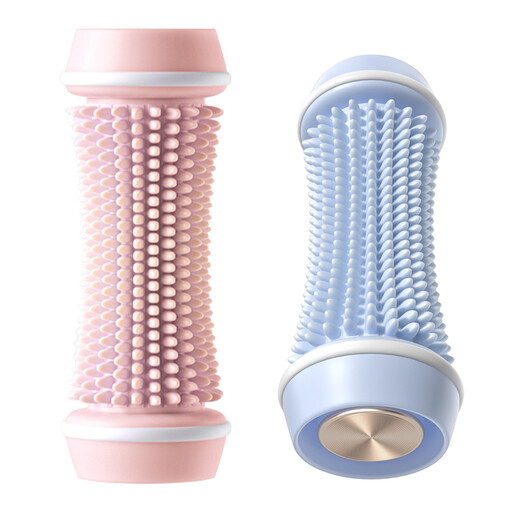
Why This Fits Their Persona: A straightforward manual option for shoppers who want occasional relaxation without a powered appliance, cable or heat function.
It does not rely on vague heat or motor claims. You control the pressure and duration directly.
Compact 19cm x 7cm format and no mains power required.
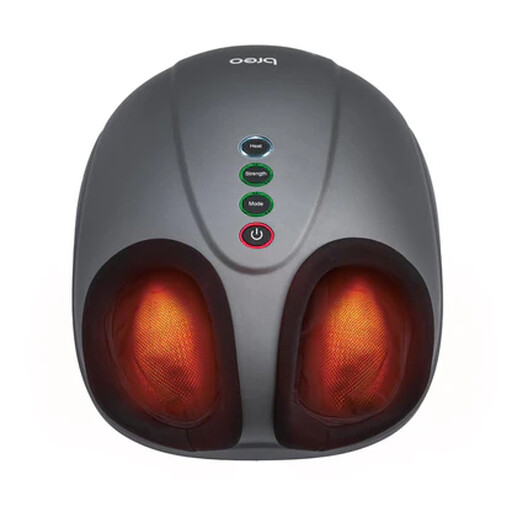
Why This Fits Their Persona: Suitable for people who want several massage actions and an optional warming setting after work, walking or standing.
The listing states the heat range, three compression intensities and removable washable foot sleeves, rather than describing heat without controls.
Deep kneading, rolling, compression and optional 40–45°C heat; designed for feet up to men’s size 12.
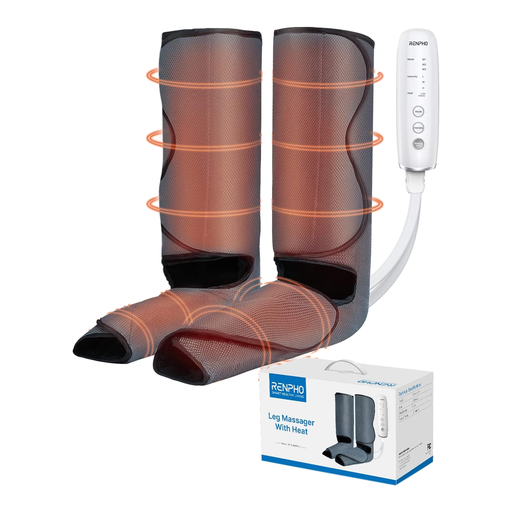
Why This Fits Their Persona: A calf and foot massager for runners, hikers, frequent exercisers and people who experience tiredness across the lower legs.
Adjustable wraps, three intensity levels and two heat settings help avoid the one-size-fits-all compression problem.
Covers feet and calves, with three modes, three intensities, two heat settings and a handheld controller.
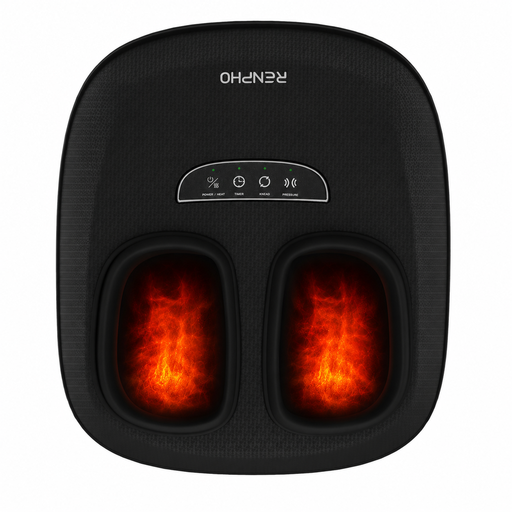
Why This Fits Their Persona: A home-use choice for shoppers who want independent heel and instep control in a dedicated foot-only design.
The product specifies its massage zones, controls, heat temperature and washable cover, making key usage details easier to compare.
Independent instep and heel adjustment, three pressure intensities and a removable washable cover.
A foot massager addresses relaxation, but other products may suit different everyday needs:
Follow the manufacturer’s directions and begin with short sessions at a low intensity. The RENPHO calf and foot model describes a 20-minute session once or twice daily, but personal comfort should guide use. Stop if you experience pain, numbness, skin irritation or unusual swelling.
Running cost depends on the device’s wattage and your electricity tariff. Check the wattage on the product label or manual, then use: watts ÷ 1,000 × hours used × your tariff per kWh. A short timed session generally uses less electricity than leaving a device switched on for extended periods.
Some users may find gentle massage relaxing around tired feet, but a foot massager is not a guaranteed treatment for plantar fasciitis or another medical condition. Avoid forceful pressure if it increases discomfort and ask a GP, podiatrist or other qualified healthcare professional for personalised guidance.