
24/7 Customer Support

Free returns

Same-day & Next-day Delivery

Quality Guaranteed

Unlock Your Welcome Offers: FREE Delivery | Up to 80% OFF | Free 30-day JoyPlus trial
Download the APP
A foot massager can be a useful addition to a UK home wellness routine, particularly if you spend long hours standing, walking, exercising or commuting. However, product descriptions often combine several different technologies under broad terms such as “deep tissue”, “Shiatsu” and “therapy”. Understanding what each feature actually does can help you avoid paying for functions that do not suit your routine.
Some heated foot massagers warm water gradually, while others maintain a set temperature. A heated foot massager with adjustable settings gives more control, but a fixed-temperature model may be simpler to operate. Check the stated range, heating method and whether the unit circulates water to reduce cooler areas in the basin.
Remember that heat should feel comfortable rather than excessively hot. Always check the water temperature before use, particularly if you have reduced sensitivity.
A foot spa with heat and bubbles can create a gentle, relaxing sensation, but bubble jets do not necessarily provide the same mechanical pressure as powered rollers or kneading nodes. If you want noticeable movement under the soles, look for a foot massager with rollers, vibration or rotating massage mechanisms.
A basin with non-motorised rollers may require you to move your feet back and forth. That can be suitable for light relaxation, but it differs from an electric foot massager with powered kneading.
Water-based appliances need more care than a dry foot massage machine. Hidden drainage areas, fixed massage plates and difficult-to-dry interiors can make regular cleaning inconvenient. Features such as removable parts, a drainage outlet, a carry handle or wheels can make a practical difference.
Do not add oils, salts or herbal products unless the manufacturer specifically permits them. Additives can affect pumps, tubing and internal components.
For a dry Shiatsu foot massager, check whether the massage reaches the heel, arch, toes and instep, rather than focusing only on the sole. Independent controls for different zones can be useful if you prefer different pressure levels around the heel and upper foot.
For a water-based model, compare:
Terms such as “deep tissue” describe the intended massage style, not a guaranteed health result. Anyone considering a plantar fasciitis foot massager should treat these products as comfort devices rather than a substitute for professional medical advice.
A useful home foot spa should have clear controls and a timer. Models with adjustable heat let you select a suitable setting, while an auto-off function helps prevent sessions from continuing unintentionally.
Check the recommended maximum operating time. For example, the KASJ Z201 and Z202 specify a maximum continuous use period of 30 minutes, while their timers can be set from 10 to 60 minutes. The timer range is not necessarily the same as the recommended continuous operating time.
Choose a unit that can be placed securely on a flat, waterproof surface. Mains-powered water appliances should be connected to a suitable, properly earthed socket, and the plug must be kept dry. Never stand in a foot spa or move it while it is connected to power.
For easier maintenance, look for:
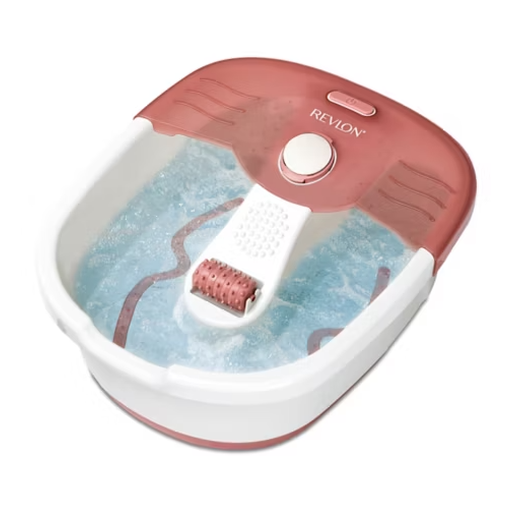
Why This Fits Their Persona: A straightforward choice for shoppers wanting bubbling, vibration and basic pedicure functions without selecting a large deep-tub appliance. It suits occasional home use after work or walking.
The functions are clearly defined as bubbling, vibration and heat maintenance, rather than presenting gentle bubbles as a deep mechanical massage.
Includes a 9-piece pedicure kit, removable massage attachments, an anti-splash guard and a pouring spout.
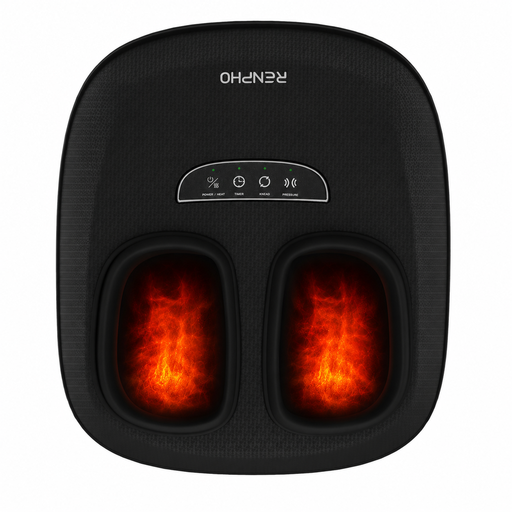
Why This Fits Their Persona: This dry electric foot massager is suitable for people who prefer a seated massage without filling, emptying or drying a water basin.
Its removable washable cover addresses hygiene more directly than a permanently enclosed fabric chamber.
Offers full-foot kneading, independent heel and instep control, adjustable massage speed, heat and timer settings.
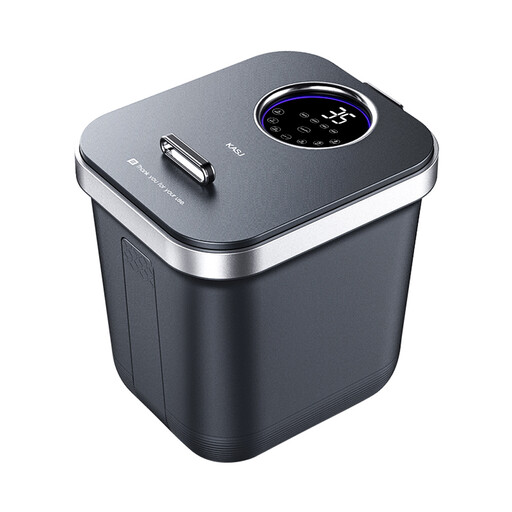
Why This Fits Their Persona: A practical match for people who want a deeper water soak after long shifts, regular exercise or extended periods on their feet.
The digital temperature display, water circulation and drainage outlet make temperature and water handling easier to monitor.
Features six rotating roller sets, two moving acupressure-node sets, adjustable heat from 35°C to 48°C, wheels and a timer.
We have compiled a complete, real-time list of products that fully satisfy these strict selection criteria and UK safety regulations.
Water-based models generally require more electricity than a simple vibrating cushion because they heat and circulate water. To manage running costs, fill the basin with warm water where the instructions allow, use the timer and unplug the appliance after each session. A dry foot massage machine avoids water usage and is often quicker to set up.
Before buying, check the product instructions for contraindications. People with diabetes, poor circulation, numbness, foot wounds or skin inflammation should seek appropriate medical advice before using a massager. Stop immediately if discomfort, pain or unusual redness occurs.
Follow the manufacturer’s recommended session time. Many models are designed for short sessions, commonly around 15 to 30 minutes. An auto-off timer is helpful, but it should not be used as permission to exceed the stated operating guidance.
The cost depends on the appliance’s power rating, heating time and your electricity tariff. Heating water usually consumes more energy than a dry vibrating cushion. Using warm water, selecting a moderate session length and avoiding repeated reheating can reduce consumption.
Unplug the appliance before emptying or cleaning it. Drain the water completely, wipe the basin and clean removable rollers or plates according to the instructions. Allow every part to dry before storage. Never immerse the electrical body, cable or plug, and avoid unapproved oils, salts or soaps.