
24/7 Customer Support

Free returns

Same-day & Next-day Delivery

Quality Guaranteed

Unlock Your Welcome Offers: FREE Delivery | Up to 80% OFF | Free 30-day JoyPlus trial
Download the APP
A foot massager can be a convenient way to unwind after a long shift, a day walking around town or hours spent standing. However, product pages often focus on the number of rollers or bold words such as “deep tissue” without explaining how the appliance will fit into your routine.
The main buying pitfalls are usually practical rather than cosmetic:
This guide explains the specifications worth checking before you buy, followed by our product recommendations for different UK households.
An electric foot massager normally falls into one of three groups:
If you want a relaxing soak and pedicure care, consider a foot spa with rollers. If convenience matters more than water-based massage, a dry heated foot massager may be easier to use regularly.
Heat should be adjustable or clearly specified. Some machines offer a selected range, while others have a fixed setting. A fixed 45°C foot spa, for example, may suit one person but feel too warm or cool for another.
For mains-powered products, look for:
Never handle a plug with wet hands. Fill, empty and clean a water-based foot massager only after switching it off and unplugging it. Do not immerse the electrical body, cord or plug in water.
Check the stated foot capacity before ordering. Some compact models accommodate up to UK size 10, while larger units may fit up to UK size 12 or 13. A tight basin can make rollers uncomfortable and reduce the usable massage area.
For water models, practical features can make a major difference:
For a dry deep tissue foot massager, removable washable sleeves are worth considering because they help maintain freshness during frequent use.
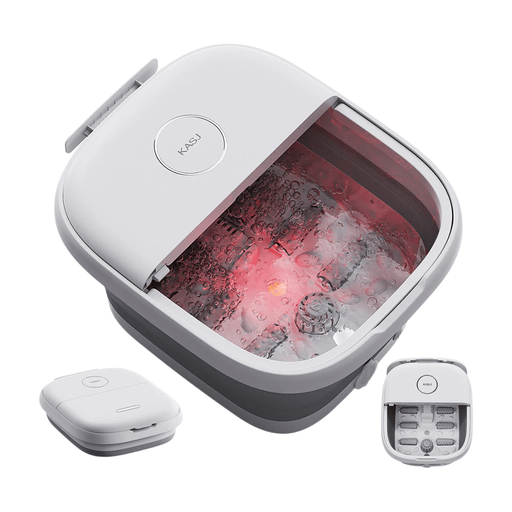
Why This Fits Their Persona: A practical starting point for shoppers wanting bubbles, rollers and warmth without a permanently bulky appliance. It folds to approximately 11cm in height and includes a carry handle for storage between uses.
The fixed 45°C setting is stated clearly, so buyers know it is not adjustable. A drainage outlet also avoids lifting the filled basin during emptying.
Collapsible storage design; six non-motorised rollers, bubble jets and a built-in drainage outlet.
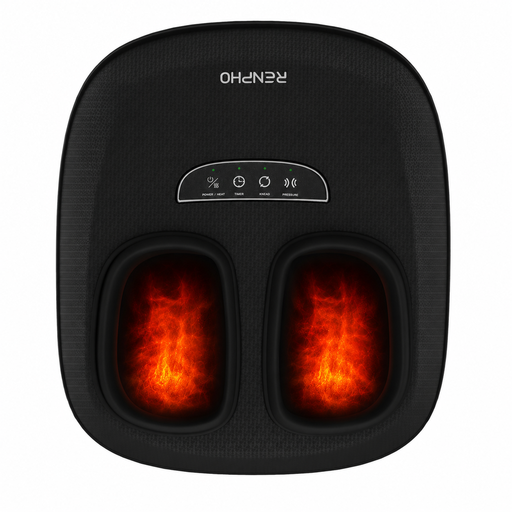
Why This Fits Their Persona: Suitable for people who prefer a dry, ready-to-use home foot massager after work. Independent instep and heel controls allow a more tailored session without handling water.
The product specifies adjustable kneading speed, timer settings and a removable washable cover, addressing common concerns about fixed intensity and hygiene.
Full-foot Shiatsu kneading; separate heel and instep control with washable cover.
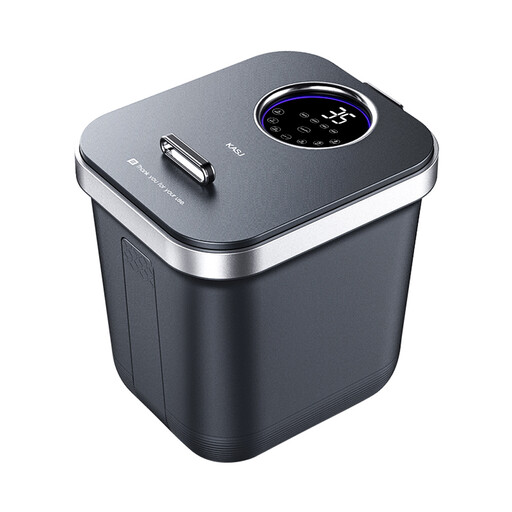
Why This Fits Their Persona: A larger option for users who want a deeper soak, adjustable heat and more active water-based massage after long periods on their feet.
The temperature range is specified as 35–48°C, with a timer from 10 to 60 minutes. Wheels, a handle and a quick-drain outlet address the weight and storage issues of a deep basin.
Six rotating roller sets and up-and-down acupressure nodes; deep tub design reaching towards the calves.
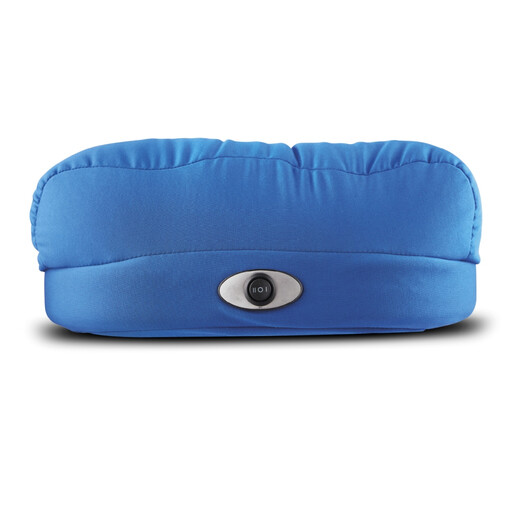
Why This Fits Their Persona: A lightweight choice for use on a sofa, at a desk or while travelling. Its cordless design avoids the need to position a mains cable near a wet foot spa.
The two vibration modes and single-button operation are clearly defined. It is also a dry cushion, so there is no basin to clean or drain.
Cordless operation using four C batteries; soft polyester cover and bead filling for cushioning.
We have compiled a complete, real-time list of products that fully satisfy these strict selection criteria and UK safety regulations.
Running cost depends on the appliance’s wattage, session length and your electricity tariff. Use the label or manual to find the wattage, then calculate: watts ÷ 1,000 × hours used × your electricity price per kWh. A shorter timed session generally uses less electricity than leaving a machine running unnecessarily.
Lifespan varies with construction, frequency of use and maintenance. Keeping water below the fill line, cleaning rollers and drainage channels, allowing components to dry and avoiding unauthorised additives can reduce avoidable wear. Always follow the product’s recommended session duration.
A plantar fasciitis foot massager may provide a warming or massage sensation that some users find relaxing, but it should not be presented as a treatment or cure. Choose adjustable intensity, avoid excessive pressure and seek professional guidance if pain persists or worsens.