
24/7 Customer Support

Free returns

Same-day & Next-day Delivery

Quality Guaranteed

Unlock Your Welcome Offers: FREE Delivery | Up to 80% OFF | Free 30-day JoyPlus trial
Download the APP
Buying football training equipment for a garden, park or young player can look straightforward until the product arrives. A goal may be too small for meaningful shooting practice, a football may be the wrong size or a supposedly portable item may be awkward to fold and carry.
This guide highlights the main buying pitfalls and explains which specifications matter before you choose kids’ football equipment, football goals for kids, a football rebounder or a complete football training set.
Bright colours, club graphics and large product photographs can make equipment look more substantial than it is. A small pop-up goal may suit quick shooting drills, but it will not provide the same target area as a larger 213 x 152 x 152 cm goal.
Before buying, decide whether the equipment is for:
A football skills trainer or rebounder is more suitable for individual repetition, while a larger portable football goal is more useful for shooting and small-sided games.
A football’s size affects handling, control and suitability for different ages. Buying a size 5 football for a young beginner can make basic dribbling and passing more difficult. Conversely, older youth players may quickly outgrow a size 3 football.
Check the stated size rather than relying on the age shown in a product image. The commonly used guide is:
Age guidance is not a substitute for the product’s official specifications, especially where children have different levels of strength and coordination.
Marketing terms can hide important details. A waterproof football should have a stated water-resistant or non-absorbent construction, but it still needs to be cleaned and stored correctly. Similarly, a goal described as durable may still tip over if it is not secured with suitable pegs.
Look for practical information about:
PVC footballs are commonly used for casual play and practice. A seamless foam rubber construction, as listed for selected Longsail balls, can provide a soft touch and resistance to water absorption. For any ball, check the recommended pressure and avoid over-inflation.
The Capelli Sport Elite Soccer Ball specifies an official size 5 format, TPU seamless stitching, a PU exterior and a recommended inflation pressure of 8–9 psi. This type of information is more useful than a general claim about performance because it helps you maintain the ball correctly.
A larger goal gives players more space for shooting practice, but it also requires more room and secure anchoring. The Kickmaster Large Quick Up Goal measures 213 x 152 x 152 cm and includes anchor pegs, a target sheet, side storage pockets and a carry bag.
For smaller gardens or trips to the park, the Hy-Pro Pop Up Flexi Goal measures 3 x 4 ft. It folds flat and includes metal pegs. Always place portable goals on a suitable surface and secure them before play to reduce the risk of movement or tipping.
A football rebounder should offer a stable frame and a net designed to return the ball consistently. The Kickmaster Adjustable Rebounder measures 80 x 80 cm, has an adjustable angle and folds flat for storage.
The Kickmaster Close Control Trainer is another option for solo practice. It has a recoil mechanism, a rubber handle, instant cord locking and a universal ball holder for a standard-size football. The ball is not included, so check that you already have a compatible ball before ordering.
The following options match different playing situations rather than assuming one product suits every household.
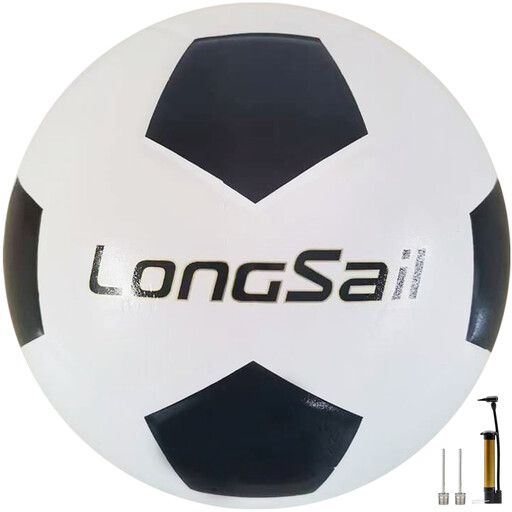
Why This Fits Their Persona: A size 3 football is a practical starting point for younger children learning basic control in the garden or local park. The supplied kit includes an air pump, inflation pin and drawstring storage bag.
The stated circumference range and age guidance make it easier to avoid buying an oversized ball. Its seamless foam rubber shell is described as waterproof and suitable for wet surfaces.
Size 3 format; pump and storage bag included; wipe-clean surface.
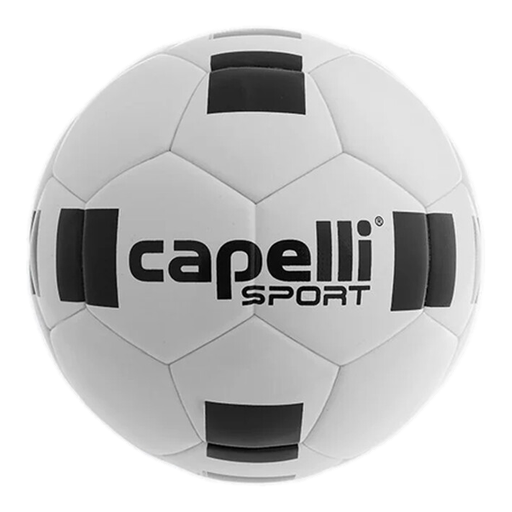
Why This Fits Their Persona: Players wanting a standard size 5 ball for indoor and outdoor training can prioritise the stated materials, construction and pressure guidance.
The listing provides a material breakdown and warns not to exceed 9 psi, helping buyers avoid vague specifications and prevent incorrect inflation.
Official size 5; TPU seamless stitching; recommended 8–9 psi pressure range.
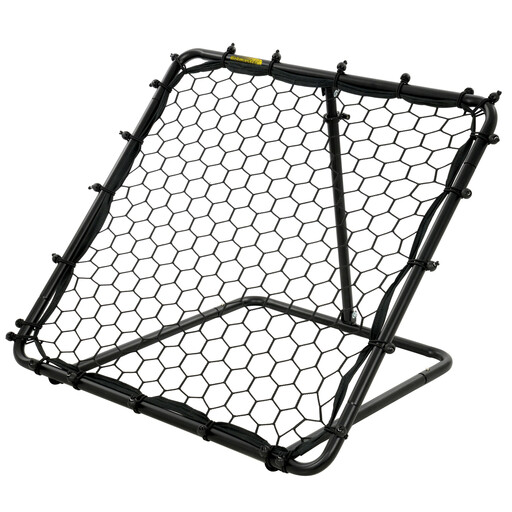
Why This Fits Their Persona: Solo players and households with limited garden space can use an adjustable football rebounder for passing, control, shooting and goalkeeping drills.
Its adjustable angle is stated clearly, so it is not limited to one type of drill. It also folds flat, addressing storage problems common with fixed training equipment.
80 x 80 cm dimensions; adjustable angle; folding frame; honeycomb hexagonal net.
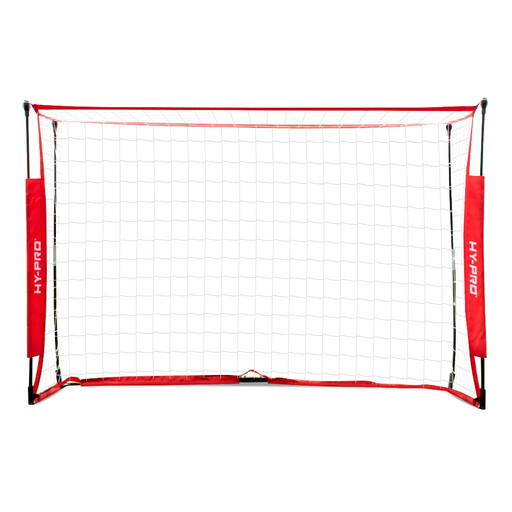
Why This Fits Their Persona: Families needing a portable football goal for repeated garden or park sessions can benefit from a quick-folding design with a resilient mesh net.
The product information specifies metal pegs, a fold-flat design and no-tool setup. These details help address instability, transport and assembly concerns.
4 x 6 ft format; fold-flat storage; carry-friendly design; metal anchoring pegs.
We have compiled a complete, real-time list of products that fully satisfy these strict selection criteria and UK safety regulations.
For children aged five and over, a complete football training set can be convenient. The Kickmaster set includes a size 4 training ball, shin guards, a bottle and a backpack, but it also carries a small-parts warning and requires supervision. Check every component rather than assuming that a bundled set suits every age or playing level.
A correctly sized football, cones and a small portable goal provide a simple starting point. For solo practice, a football skills trainer or adjustable rebounder can add repetition without requiring another player. Younger children may find a size 3 football easier to handle, while many players aged around 8–12 use a size 4 football.
Portable goals should generally be stored indoors or in a dry sheltered area when not in use. Rain, mud and prolonged exposure can affect frames, nets and fastenings. Always secure the goal during play, inspect it regularly and follow the manufacturer’s care instructions.
Running costs are usually limited to occasional replacement items such as inflation needles, pump parts, worn nets or damaged pegs. Cleaning equipment after use, avoiding sharp surfaces and storing it dry can help reduce avoidable replacements. Check whether a football includes a pump or storage bag, as these accessories may otherwise need to be purchased separately.