
24/7 全天候客户支持

免费退货

当日/次日达

品质保障

开启新人专享福利: 全场免邮 | 低至 2 折 | 免费试用 30 天 JoyPlus 会员
下载 Joybuy
A football water bottle can be a useful piece of kit, a supporter’s accessory or a child-friendly drink container. However, attractive graphics and official-looking branding do not automatically mean the bottle will suit your routine. Before buying, check the capacity, closure, materials and cleaning instructions rather than relying on appearance alone.
A slim bottle may look convenient, but a small capacity can mean frequent refills during commuting, training or a full day at school. On the other hand, a 1 litre bottle may be too large for a small backpack or difficult for younger children to carry when full.
Match the size to the use:
A clear design, such as several Hy-Pro football club water bottle options, also allows you to see the remaining liquid at a glance.
A lid can only help prevent leaks when it is correctly closed, undamaged and maintained according to the instructions. Screw-top lids are generally straightforward, but straw or dual-opening systems have more components that need cleaning.
Check for:
For example, the POWCAN by Meoky bottle uses a 2-in-1 lid with straw and spout options, but it is specified for hand washing. That makes proper cleaning and drying important for regular school or sports use.
Plastic, aluminium and stainless steel products have different care requirements. A standard plastic football bottle may be intended for cold or room-temperature drinks only. Aluminium bottles may have coating or lining restrictions, while insulated stainless steel bottles are more suitable for temperature retention but can be heavier and more expensive.
Always check the product instructions before using hot, carbonated or acidic drinks. The UEFA Champions League aluminium bottle, for instance, includes warnings against carbonated or pressurised beverages unless the manufacturer specifically permits them.
Look for clearly stated materials rather than vague descriptions such as “premium quality”. The children’s POWCAN bottle is made from BPA-free 18/8 stainless steel, while the UCL insulated bottle uses 304 stainless steel, a commonly specified grade for drinkware. These details are more useful than colour or graphics when comparing products.
Plastic can be a practical option when low weight matters. It is often suitable for school, work or gym bags, but check whether the bottle is intended only for cold drinks and whether it is hand-wash only.
Double-wall vacuum insulation separates the inner and outer walls to slow temperature transfer. This can help drinks remain cold or hot for longer than a single-wall bottle. The POWCAN model is listed with cold retention for up to 24 hours and hot retention for up to 12 hours; these are product specifications, not a guarantee of identical results in every situation.
The UCL 500ml stainless steel model also lists double-wall insulation, a sweat-resistant exterior and a leak-proof screw cap. These features may be useful for a commuter or gym-goer who wants to reduce condensation inside a bag.
Capacity alone does not tell you whether a bottle will fit your lifestyle. Check its height, width and weight, particularly for children or anyone carrying a packed bag. The POWCAN 532ml bottle measures approximately 7.49 × 7.49 × 22cm and weighs 380g.
Cleaning instructions matter just as much. A hand-wash-only bottle requires more time than a dishwasher-compatible design. Use a suitable bottle brush for narrow openings, remove the lid where instructed and allow all parts to dry thoroughly before storage.
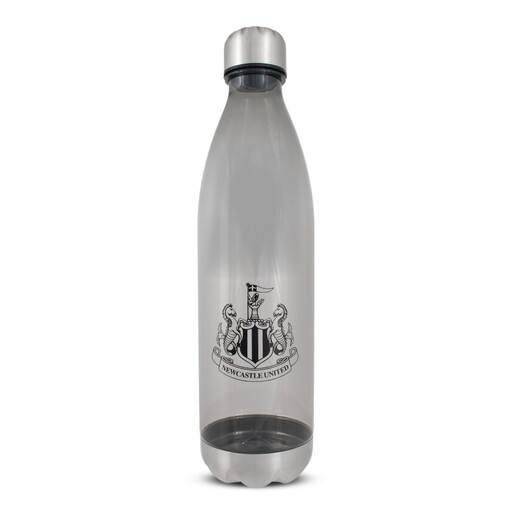
Why This Fits Their Persona: A straightforward choice for Newcastle supporters wanting a large, lightweight bottle for work, school, the gym or matchday use.
The clear 1-litre format makes capacity visible, while the screw-top design avoids unnecessary lid mechanisms.
Officially licensed Newcastle United design; lightweight reusable plastic with a clear body.
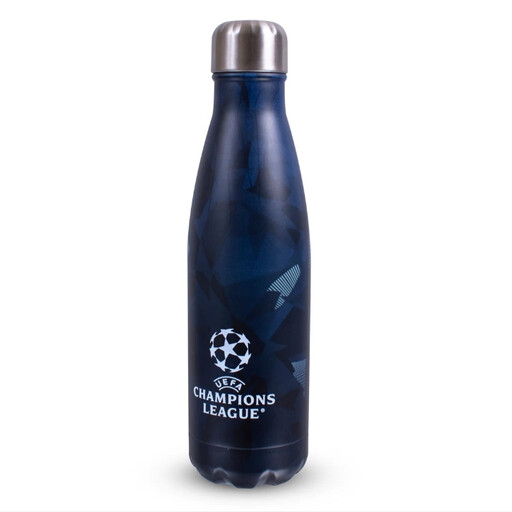
Why This Fits Their Persona: A compact insulated stainless steel water bottle for commuters, gym-goers and supporters who prioritise temperature retention.
The stated 304 stainless steel, silicone seal and double-wall construction provide clearer specification detail than generic material wording.
Vacuum insulation; sweat-resistant exterior and 500ml portable capacity.
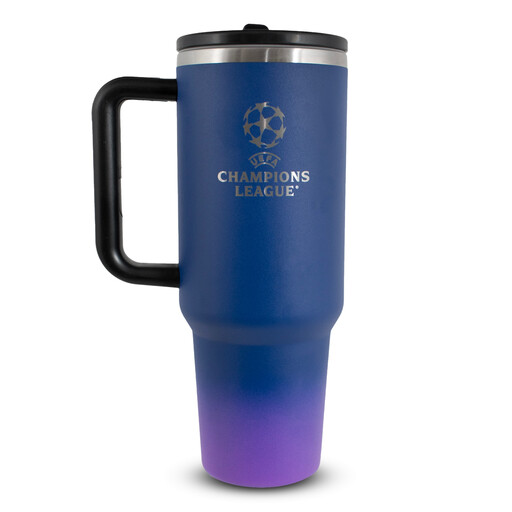
Why This Fits Their Persona: A large-format option for long commutes, outdoor activities, training days and matchday events where frequent refilling is inconvenient.
Its listed large capacity is paired with an ergonomic handle, so buyers can account for both hydration needs and portability.
Stainless steel double-wall insulation; secure lid and sturdy carrying handle.
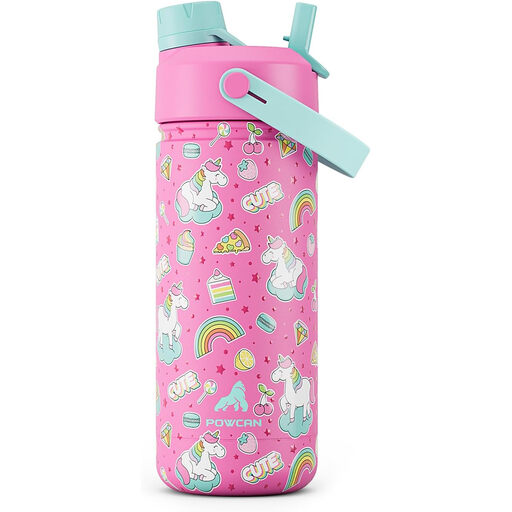
Why This Fits Their Persona: A kids' unicorn water bottle designed for school, playtime, travel and car journeys, with a size that is easier for younger users to manage.
The 532ml capacity avoids the weight of a full 1 litre bottle, while the dual-opening lid gives a choice of drinking styles.
BPA-free 18/8 stainless steel; double-wall insulation and backpack-friendly dimensions.
Other official designs include a Manchester City water bottle, Liverpool water bottle, Tottenham Hotspur water bottle and Arsenal water bottle, each offering a different club identity with practical 1-litre formats. Compare the exact lid, material and care instructions before selecting a football-themed design.
We have compiled a complete, real-time list of products that fully satisfy these strict selection criteria and UK safety regulations.
Many are, but check the capacity, weight and age warnings first. A 500–750ml bottle may be easier for a child to carry than a full 1 litre water bottle. Also confirm whether the lid is secure and whether the bottle is suitable for the school’s drinkware policy.
Lifespan depends on the material, frequency of use, cleaning and accidental damage. Inspect bottles regularly for cracks, dents, sharp edges, worn seals or damaged inner coatings. Replace any bottle that can no longer close securely or be cleaned properly.
They can be useful when temperature retention and reduced condensation matter, particularly for commuting, gym sessions and outdoor activities. They are usually heavier than plastic or aluminium alternatives and often require hand washing, so weigh those practical trade-offs against your daily routine.