
24/7 Customer Support

Free returns

Same-day & Next-day Delivery

Quality Guaranteed

Unlock Your Welcome Offers: FREE Delivery | Up to 80% OFF | Free 30-day JoyPlus trial
Download the APP
Finding the right pair of shoes can feel like navigating a minefield of marketing jargon and fleeting trends. Whether you're searching for high-performance men's running shoes or stylish women's lifestyle trainers, the sheer volume of choice is overwhelming. As a Joybuy Product Recommendation Officer, my role is to help you sidestep common purchasing errors that lead to buyer's remorse and wasted money.
Many of us have been there: buying a pair of trainers that looked great online but offered zero support, or choosing a shoe for the wrong activity and watching it fall apart in months. Before you add another pair to your basket, let's look at the most frequent pitfalls and how to avoid them.
To make an informed choice, you need to understand what key specifications actually mean for your comfort and the shoe's durability.
The midsole is the layer between your foot and the outsole, and it's responsible for cushioning.
The upper is everything that covers your foot. The material dictates the shoe's function.
The outsole is the rubber part that makes contact with the ground. Its pattern and compound are crucial.
Instead of a generic list, we've matched specific footwear to different user needs, helping you find a pair that genuinely fits your lifestyle.
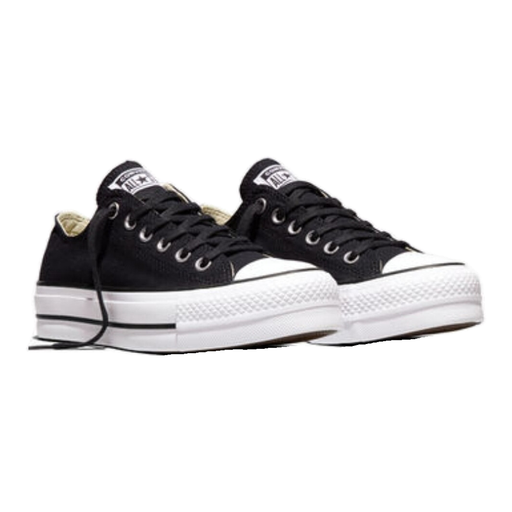
Why This Fits Their Persona: Perfect for those who prioritise street style. The iconic Chuck Taylor design is elevated with a platform sole, offering a modern, confident look that pairs effortlessly with everything from jeans to dresses for a day out in the city.
This shoe is a dedicated lifestyle trainer, avoiding the "one-shoe-for-everything" trap. Its design is focused on aesthetics and all-day walking comfort, not high-impact athletic performance.
Features an OrthoLite cushioned insole and EVA foam midsole, providing significantly more comfort and lightweight support than traditional, flatter versions.
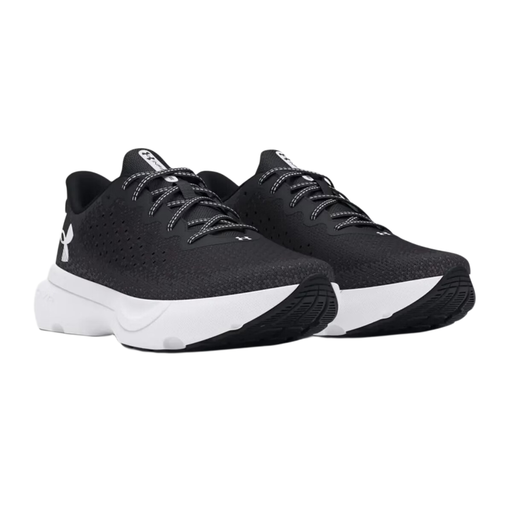
Why This Fits Their Persona: Engineered for runners who need a balance of flexibility and cushioning. It's built for logging miles, with features designed to reduce impact and keep legs feeling fresh on long runs.
This shoe directly addresses the pitfall of ignoring the sole. Its UA HOVR cushioning system and durable rubber outsole are specific performance technologies, not just generic materials, ensuring it performs as a true running shoe.
The advanced knit upper provides excellent breathability and containment, while the Deluxe Comfort System sockliner moulds to the foot for a personalised, comfortable fit straight out of the box.
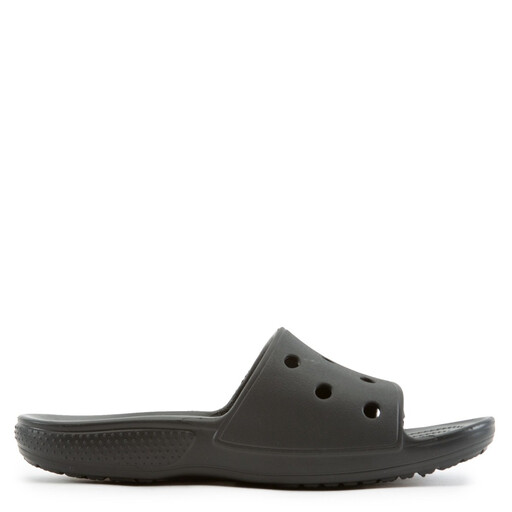
Why This Fits Their Persona: For those who value ultimate convenience and comfort for relaxing at home, post-gym wear, or quick trips to the shops. These **unisex slides** are the definition of easy-on, easy-off footwear.
This slide completely sidesteps the "break-in" fallacy. Made from soft Croslite material, it is designed for immediate, plush comfort from the very first moment you put it on.
Incredibly lightweight, waterproof and easy to clean. The material provides excellent cushioning for casual wear, making them a practical and comfortable choice for a wide range of informal settings.
We have compiled a complete, real-time list of products that fully satisfy these strict selection criteria and UK safety regulations.
A general guideline for avid runners is to replace running shoes every 300-500 miles. For casual runners or those who use them for walking, monitor the wear on the outsole and the feel of the midsole. If the tread is worn smooth or the cushioning feels flat and unresponsive, it's time for a new pair.
It is generally not recommended. The heat and tumbling action of a washing machine can damage the glues that hold the shoe together, warp the shape of the midsole and cause synthetic materials to shrink or degrade. The best practice is to spot-clean with a soft brush, mild soap and cold water, and then let them air dry away from direct heat.
Neutral shoes are designed for runners with a normal pronation pattern (where the foot rolls inward a healthy amount). They offer flexibility and cushioning without much structural support. Stability shoes, on the other hand, have features like guide rails or denser foam on the inner side to help control overpronation (where the foot rolls inward too much). Choosing the right type is key to comfort and injury prevention.