
24/7 Customer Support

Free returns

Same-day & Next-day Delivery

Quality Guaranteed

Unlock Your Welcome Offers: FREE Delivery | Up to 80% OFF | Free 30-day JoyPlus trial
Download the APP
Forged products can offer useful strength, stability and heat distribution, but the word “forged” alone does not guarantee a suitable purchase. A forged kitchen knife, pan, vehicle jack, brick hammer or 3D printer component still needs to match the job, available space and maintenance routine.
For UK households and workshops, three buying traps appear repeatedly:
Forging involves shaping material under force, but the final result depends on the material, construction and intended use.
For kitchen knives, check the blade material, length, tang construction and care instructions. A 190 mm stainless steel kitchen cleaver offers a broad cutting surface for meat and vegetables, while a hand-forged chef’s knife may be more appropriate for slicing, dicing and mincing. Neither should be used for prying, twisting or cutting unsuitable hard materials.
For cookware, forged aluminium can provide responsive heating with comparatively manageable weight. However, check whether it includes a bonded steel base if you use an induction hob. A non-stick pan set advertised for all hob types should clearly list induction, gas, electric and ceramic compatibility.
Size affects control, storage and safe operation:
Capacity is not the same as permission to exceed safe operating limits. For vehicle work, use the jack on a firm, level surface, follow the vehicle manufacturer’s lifting points and support the vehicle with appropriately rated stands before working underneath.
A product’s purchase price is only part of its value. Look at replacement nozzles, filament, sharpening equipment, cleaning products and storage.
Non-stick cookware should generally be protected from metal utensils, abrasive pads and empty-pan heating. Some products are dishwasher safe, but hand washing may help preserve the coating. Knives should be washed and dried promptly, then stored in a block, sheath or suitable magnetic strip away from children.
For 3D printers, ongoing costs include filament, nozzle changes, build-plate cleaning and electricity. High-speed settings can reduce print time, but the result also depends on model design, material choice, layer height and calibration.
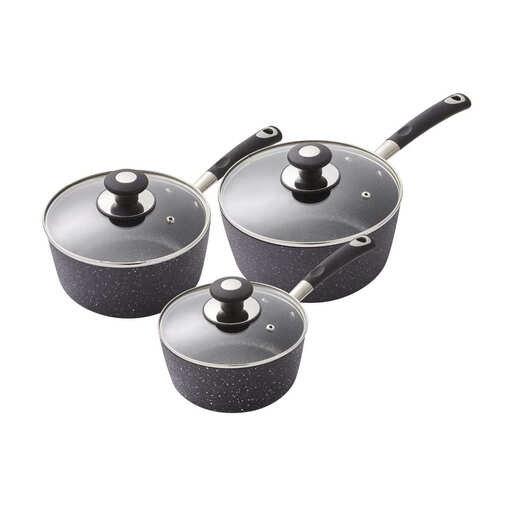
Why This Fits Their Persona: Three everyday saucepans in 18 cm, 20 cm and 22 cm provide a practical starting set for UK flats, student accommodation or smaller kitchens, with compatibility across induction, gas, electric and ceramic hobs.
The specification states the pan sizes, forged aluminium body and all-hob compatibility, rather than relying only on a coating description.
Three useful diameters; 3 mm forged aluminium; riveted steel handles; hand washing is recommended to help protect the coating.
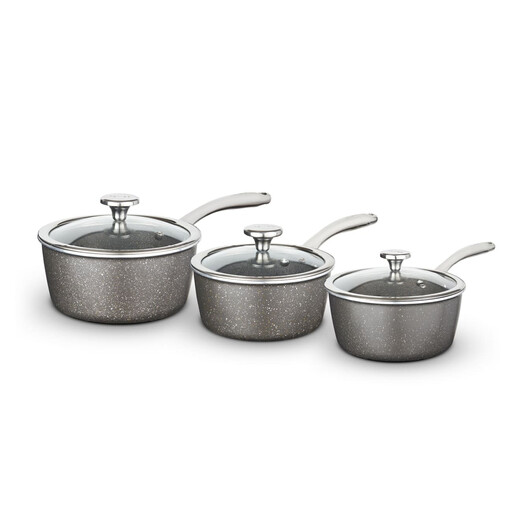
Why This Fits Their Persona: Suitable for cooks who want matching saucepans, tempered glass lids and an induction-ready base for regular family meal preparation.
The listing identifies the 4 mm forged aluminium body, bonded steel base, pan sizes and coating composition, allowing a more informed comparison.
Includes three saucepans and lids; all-hob compatibility; riveted steel handles; dishwasher-friendly according to the supplied product information.
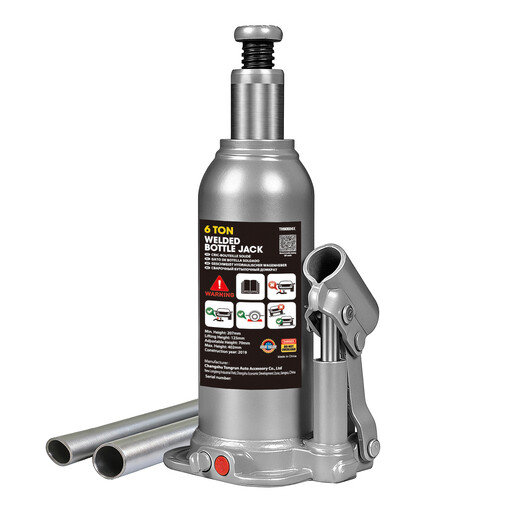
Why This Fits Their Persona: Vehicle owners and workshop users handling SUVs, pick-up trucks and light trucks can assess its lifting range and rated capacity against their vehicle requirements.
The stated 207–402 mm lifting range and 6-ton rating make it easier to check suitability before purchase; the rating must not be treated as a substitute for safe support equipment.
Forged steel base; chrome-plated piston rod; safety overflow valve; adjustable screw and non-slip saddle.
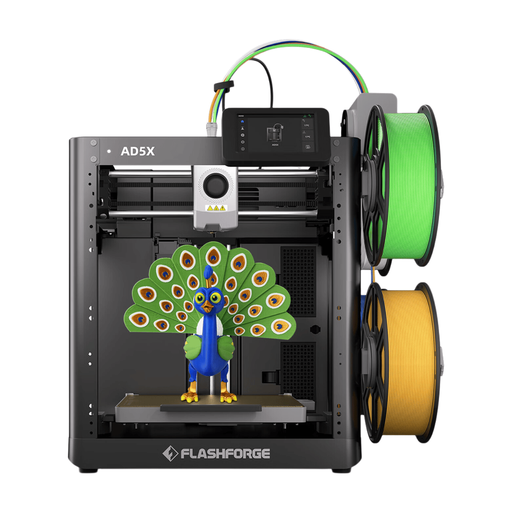
Why This Fits Their Persona: Makers, hobbyists and small businesses producing prototypes or colourful models may value up to four colours, automatic levelling and a 220 × 220 × 220 mm build area.
The specification lists the build volume, nozzle options, 300°C direct-drive extruder and colour capacity instead of presenting speed alone as the deciding feature.
Up to 600 mm/s stated speed; automatic bed levelling; flexible PEI plate; interchangeable 0.25 mm, 0.4 mm, 0.6 mm and 0.8 mm nozzles.
Other useful options include a forged brick hammer with a 20 oz forged steel head and shaft for masonry work, plus stainless steel cleavers and hand-forged chef’s knives for different cutting styles. Compare blade care, grip, balance and intended use before selecting between a cleaver and slicing knife.
They can be suitable when the construction matches the task. Look beyond the word “forged” and check stainless steel grade information where supplied, blade dimensions, handle construction, coating details, hob compatibility and care instructions.
Lifespan depends on heat levels, storage, utensil choice and cleaning. Avoid overheating empty non-stick pans, cool cookware before washing and use non-abrasive tools. Inspect coatings and handles regularly, and stop using cookware if the surface is visibly damaged.
It refers to the stated maximum lifting capacity, not a recommendation for every vehicle or a guarantee of safe support. Confirm the vehicle’s weight, jacking points and required lift height. Use a level surface, follow the manufacturer’s instructions and support a raised vehicle with suitable axle stands before carrying out work.