
24/7 Customer Support

Free returns

Same-day & Next-day Delivery

Quality Guaranteed

Unlock Your Welcome Offers: FREE Delivery | Up to 80% OFF | Free 30-day JoyPlus trial
Download the APP
Buying fortified wine and port online in the UK can be straightforward, but product descriptions often make similar bottles sound interchangeable. Alcohol strength, sweetness, bottle size and storage needs can vary considerably, affecting both the drinking experience and overall value.
This guide explains the practical details to check before ordering, with suitable options for casual drinking, entertaining, gifting and after-dinner pairing.
Port is a type of fortified wine, but not every fortified wine is port. British fortified wine can be lighter, sweeter and lower in alcohol than many Portuguese ports. A 1 litre fortified wine may offer more servings for gatherings, while a 75cl port may be more suitable for a smaller occasion or gift.
Check the country of origin, style and alcohol percentage rather than relying only on words such as “rich”, “special” or “reserve”.
Sweetness should match how you plan to serve the drink. Medium and cream-style British fortified wines can work over ice, as aperitifs or with lighter desserts. Tawny port tends to offer raisin, nut and caramel-like notes, while ruby port and Late Bottled Vintage Port generally provide more concentrated dark-fruit character.
If you mainly want a drink with cheese or chocolate desserts, a port may be more suitable than a lighter British fortified wine.
A larger bottle is not automatically better value if you rarely drink fortified wine. Compare the price per 100ml, alcohol units and expected serving size. A 50ml serving of a 13% 1 litre bottle contains fewer units than the same serving of a 20% port, although the exact amount depends on the product label.
Once opened, follow the packaging guidance. Reseal bottles securely and store them away from heat and direct sunlight. Some styles are intended for use over a shorter period after opening, so avoid buying a case unless you have a realistic plan for sharing or entertaining.
The products in this category can range from around 13% ABV for British fortified wine to 19–20% ABV for many ports, while sherry cask whisky is commonly 40% ABV or higher. These differences affect flavour intensity, alcohol units and how the bottle fits into your drinking plans.
For responsible drinking, the UK Chief Medical Officers advise that adults should not regularly exceed 14 units per week. Alcohol is restricted to those aged 18 and over, and delivery may require proof of age.
Use the following guide when comparing products:
A 1 litre fortified wine is practical for parties, regular home use or stocking a drinks cabinet. A 75cl bottle may suit a couple sharing a meal, a gift or a focused tasting. Whisky is commonly sold in 70cl bottles and has a higher alcohol concentration, so it should be compared by serving size rather than bottle volume alone.
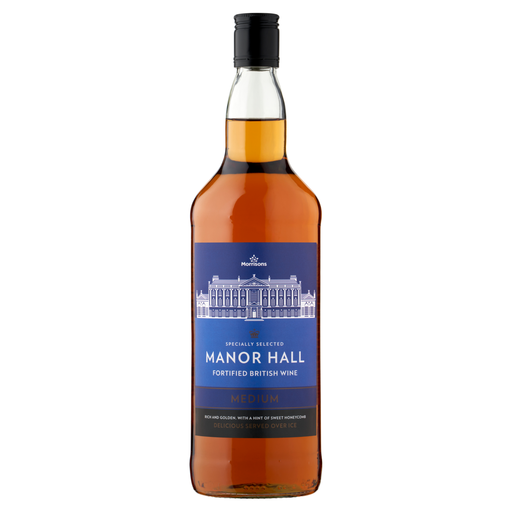
Why This Fits Their Persona: A 1 litre format gives newcomers more flexibility for casual servings, guests or an occasional drink over ice.
The 13% ABV and medium style are clearly stated, helping buyers avoid assuming that all fortified wines have port-level strength.
1 litre bottle; 13% ABV; suitable over ice or with light desserts.
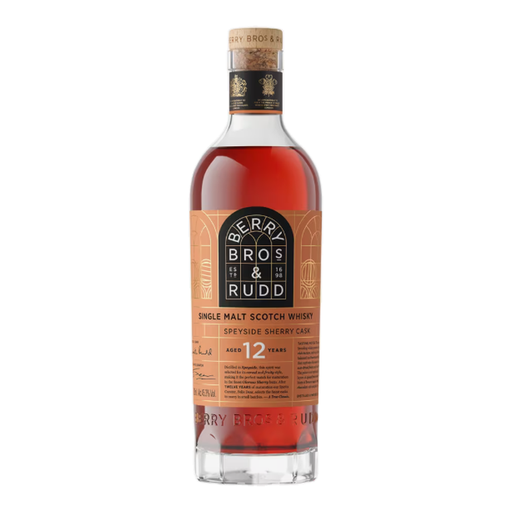
Why This Fits Their Persona: This suits shoppers seeking a sherry cask whisky with a higher stated ABV and a more structured alternative to sweet fortified wine.
The listing identifies the 12-year age statement, 45.3% ABV and 70cl size, so the purchase is based on measurable details.
12-year Speyside single malt; sherry cask finish; suitable neat, with water or over ice.
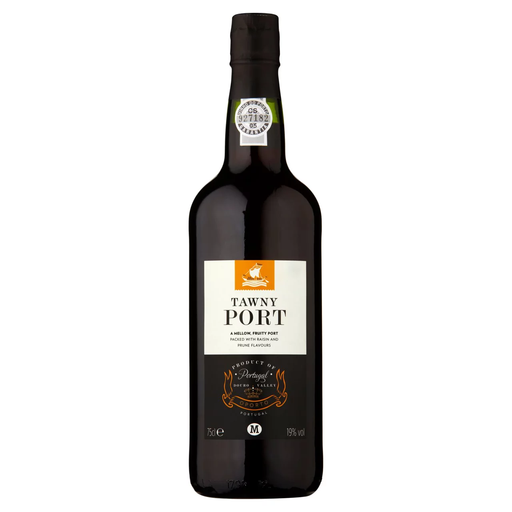
Why This Fits Their Persona: A practical choice for shoppers looking for port for cheese and desserts, including chocolate, fruit desserts and mixed cheeseboards.
The tawny designation gives a clearer style indication than vague descriptions based only on sweetness.
75cl bottle; 19% ABV; raisin and nut-led profile described for dessert and cheese pairing.
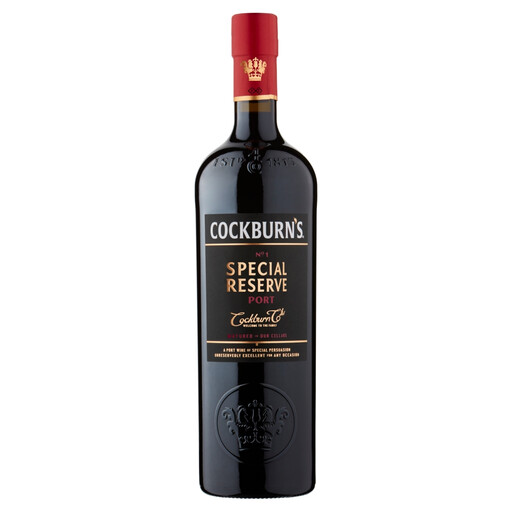
Why This Fits Their Persona: The 1 litre size is suited to dinner parties, shared after-dinner servings and households that regularly serve port.
The bottle volume and 20% ABV are shown clearly, making it easier to calculate servings and alcohol units before purchase.
1 litre bottle; reserve port style; described with red-fruit and oak-influenced notes.
We have compiled a complete, real-time list of products that fully satisfy these strict selection criteria and UK safety regulations.
Serve British fortified wine chilled or over ice when the label suggests it. Tawny and ruby port are commonly served in smaller glasses, while whisky can be enjoyed neat, with a little water or over ice according to preference. A Late Bottled Vintage Port can be considered when you want a single-vintage style that is generally ready to drink after opening; check the individual product guidance before storing it.
Before placing an order, confirm:
No. British fortified wine, sherry and port are separate categories with different production traditions, origins and styles. Product labels should identify the category, country of origin and alcohol strength.
Storage life varies by style and packaging. Reseal the bottle, keep it in a cool, dark place and follow the label instructions. Tawny styles may behave differently from younger ruby or LBV products, so the product guidance should take priority.
Yes, subject to retailer delivery coverage, product availability and age-verification requirements. Alcohol may only be purchased by people aged 18 or over, and delivery drivers can request proof of age. Always drink responsibly and check the stated alcohol units before ordering.