
24/7 Customer Support

Free returns

Same-day & Next-day Delivery

Quality Guaranteed

Unlock Your Welcome Offers: FREE Delivery | Up to 80% OFF | Free 30-day JoyPlus trial
Download the APP
Choosing foundation makeup can feel straightforward until the shade looks different in daylight, the finish separates by lunchtime or SPF claims create false confidence. For UK shoppers, changing weather, indoor heating and long commutes can all affect how a base product performs.
This guide from the Joybuy Product Recommendation Officer focuses on practical specifications rather than marketing language, with options for different coverage preferences, skin types and daily routines.
An SPF foundation can contribute to daily protection, but many people apply too little foundation to achieve the labelled protection level. Coverage is also uneven around the nose, hairline and jaw. For prolonged outdoor exposure, use a dedicated broad-spectrum sunscreen underneath and follow the product’s reapplication guidance.
SPF levels also vary considerably. The products in this guide range from SPF15 to SPF30, so check the packaging rather than assuming every foundation offers equivalent protection.
A radiant foundation may give dry skin a fresher appearance, but can emphasise visible oiliness in the T-zone. Conversely, an oil-free or satin-matte foundation may wear neatly on combination or oily skin but look less comfortable on dry patches if skin preparation is skipped.
Words such as “glowing”, “natural” and “long-lasting” are not precise technical standards. Look for the stated finish, coverage level, formula type and skin compatibility instead.
Names such as Linen, Ivory, Honey or Sand vary between brands. Even within one range, undertones may be described as cool, neutral or warm. Foundation shades should be checked against your neck and jawline in natural light where possible. Allow liquid foundation to settle before judging its colour, as some formulas can appear different after drying.
A serum foundation can combine a fluid texture with medium-to-full buildable coverage. A cushion foundation is convenient for quick application and touch-ups, although the compact format may contain less product than a standard 30ml bottle.
A radiant foundation generally reflects more light for a luminous appearance. Satin finishes sit between radiant and matte, while matte formulas tend to reduce visible shine. Ingredients such as dimethicone, glycerin, squalane and hyaluronic acid derivatives may influence slip and comfort, but ingredient presence alone does not guarantee suitability for every person.
Those seeking an oil-free foundation should still check the complete ingredient list, particularly if they are prone to sensitivity. “Fragrance-free”, “non-acnegenic” and “allergy-tested” are useful product details, but they are not a guarantee that irritation cannot occur.
A long-lasting foundation may resist fading, transfer, sweat or humidity, but performance depends on skincare, primer, application thickness and weather. Apply moisturiser appropriate to your skin type, allow it to settle, then use a small amount of foundation. Thin layers usually look more even than one heavy layer.
Always check the current packaging for ingredients, batch information, storage instructions and warnings. Patch testing is sensible for reactive skin, and use should stop if redness, itching, burning or discomfort develops.
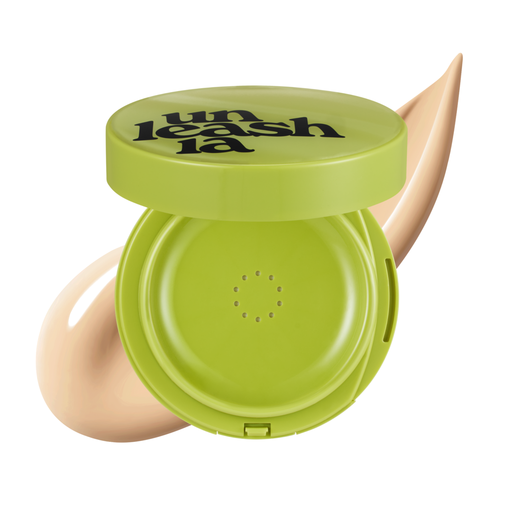
Why This Fits Their Persona: The compact format is practical for quick weekday application and handbag touch-ups, while shade 20N Apricot is positioned for light neutral skin tones.
Its stated semi-matte satin finish avoids promising either a highly glossy or heavily matte result, and buildable coverage helps reduce over-application.
SPF30 PA++, niacinamide and squalane; airless dispensing format and lightweight, buildable coverage.
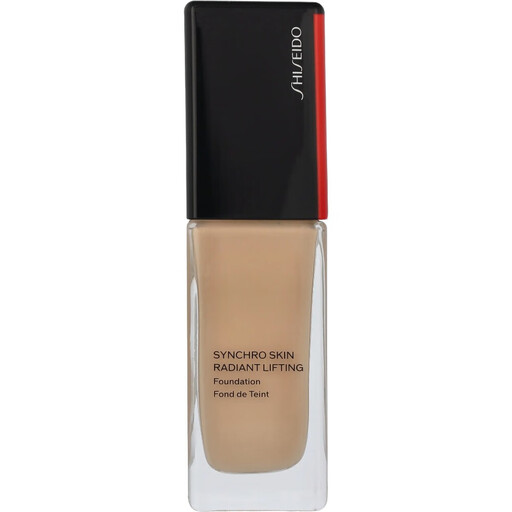
Why This Fits Their Persona: A lightweight liquid base with a luminous finish suits shoppers wanting a polished look for work, dinners and formal events in changing UK lighting.
The product specifies SPF30, shade 130 Opal and medium-to-buildable coverage, giving buyers measurable details beyond a general “glow” claim.
30ml size, SPF30 and radiant finish; the formula includes glycerin, argan kernel oil and tocopheryl acetate.
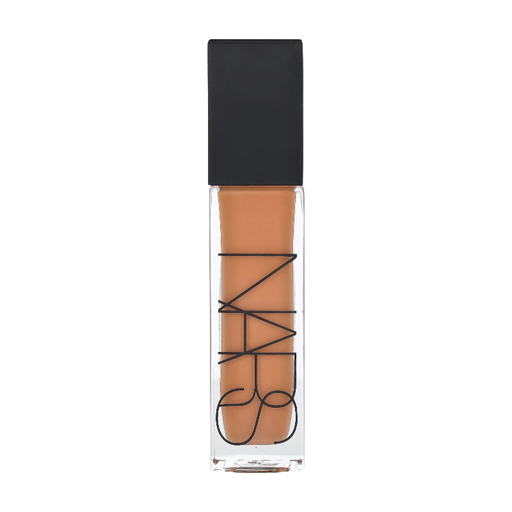
Why This Fits Their Persona: The stated full coverage and 16-hour fade-resistant wear make it suitable for long office days, travel and occasions where frequent touch-ups are inconvenient.
Its coverage and wear claims are clearly stated, while applying one area at a time and allowing the colour to settle helps avoid shade and texture misjudgements.
Full coverage with a natural finish; the listed formula is oil-free and designed to resist transfer and sweat.
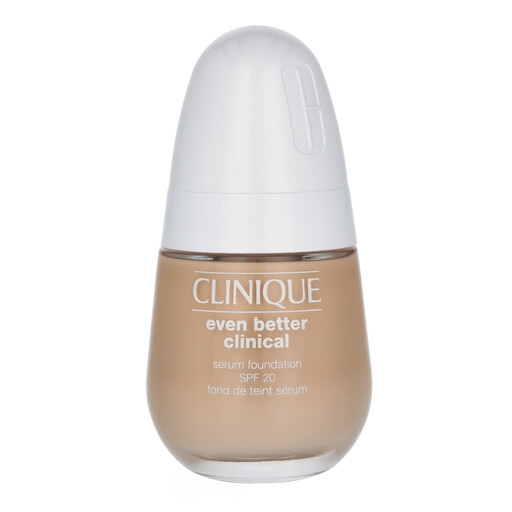
Why This Fits Their Persona: This oil-free serum foundation is designed for users who want medium-to-full coverage, a satin-matte finish and a light shade option for everyday wear.
The listing identifies SPF20, oil-free formulation, fragrance-free positioning and a buildable coverage range, allowing a more informed comparison.
Contains hyaluronic acid, vitamin C derivatives and salicylic acid; stated 24-hour, oil-free and sweat-resistant wear.
We have compiled a complete, real-time list of products that fully satisfy these strict selection criteria and UK safety regulations.
The usable period depends on the product’s packaging, opening symbol, storage and formula. Follow the period-after-opening guidance and discard foundation if it develops an unusual smell, colour or texture. Do not share liquid foundation, as this can increase contamination risk.
Usually, it should not be your only sun-protection measure for prolonged exposure. Apply a suitable dedicated sunscreen underneath, follow the product instructions and reapply after sweating, swimming or towel drying. Foundation coverage is rarely applied evenly enough across the whole face to replace sunscreen.
Look for clear information such as fragrance-free, allergy-tested or ophthalmologist-tested, while remembering that these descriptions do not guarantee individual tolerance. Patch test first, check the full ingredient list and stop using the product if irritation occurs.