
24/7 Customer Support

Free returns

Same-day & Next-day Delivery

Quality Guaranteed

Unlock Your Welcome Offers: FREE Delivery | Up to 80% OFF | Free 30-day JoyPlus trial
Download the APP
Choosing foundation makeup is rarely as simple as picking a colour from a bottle. The formula may look suitable online but feel dry by lunchtime, settle around the nose or turn noticeably darker after application. For UK shoppers dealing with changing weather, indoor heating and long days, the right choice depends on more than a fashionable finish.
This guide explains the specifications worth checking, common marketing traps and our top recommendations for different shopping priorities.
A full-coverage foundation is designed to conceal more redness, uneven tone and blemishes, but that does not automatically mean it should feel thick. Coverage depends on pigment concentration and application, while comfort depends on the base formula.
Look for buildable coverage if you want one product for both everyday wear and occasions. A medium-coverage foundation can be applied lightly, then layered only where needed. Applying too much product across the entire face can make texture more visible, particularly around the eyes and mouth.
Terms such as “long-lasting”, “transfer-resistant” and “waterproof” describe intended performance, not a promise that foundation will look unchanged in every situation. Skin preparation, oil production, humidity, rubbing and application method all affect wear.
If you need a long-lasting foundation for commuting, events or extended shifts, check whether the product specification also mentions sweat resistance, humidity resistance, transfer resistance or waterproof properties. Even then, allow the formula to set and avoid applying excessive skincare immediately underneath.
Names such as “Beige”, “Vanilla” or “Natural” are not universal colour standards. The most important factors are depth and undertone. A shade can be light, medium or deep, with warm, cool, neutral or olive characteristics.
Online images may vary according to lighting and screen settings. Compare swatches where possible, and test along the jawline rather than the hand. Allow liquid foundation to settle before judging the colour, as some formulas can appear different after drying.
A full-coverage foundation is not necessarily the right choice for every day. If you prefer a natural appearance, select one described as buildable and use a damp sponge or a small brush to control the amount.
A matte foundation generally reduces visible shine and may suit oily or combination skin, although an overly powdery formula can emphasise dry areas. A radiant finish foundation reflects more light and can make dry or dull-looking skin appear fresher, but may require strategic powdering on the T-zone.
A hydrating foundation may contain ingredients such as glycerine, hyaluronic acid or panthenol. These can improve the skin feel of the product, but foundation should not replace a dedicated moisturiser. If you have sensitive skin, review the complete ingredient list, particularly fragrance, essential oils and alcohol denat.
Foundation with SPF can add to a daily routine, but the quantity applied is usually lower than the amount needed to achieve the labelled sun protection. Use a separate broad-spectrum sunscreen when prolonged outdoor exposure is expected.
Terms such as non-comedogenic, vegan or “suitable for sensitive skin” should be checked against the product description and packaging. Individual reactions remain possible. Patch testing is sensible when trying a new formula, and use should stop if irritation develops.
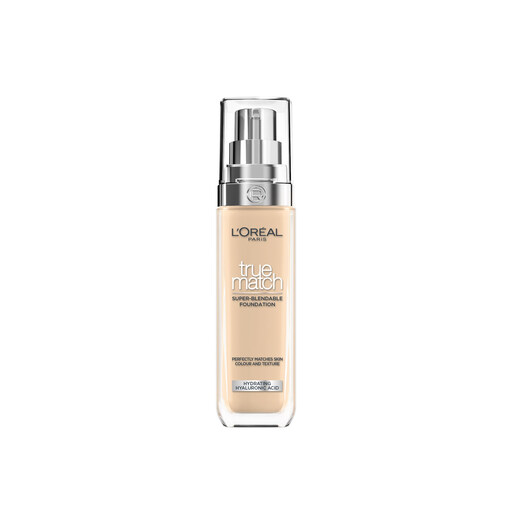
Why This Fits Their Persona: A practical daily liquid foundation for shoppers wanting medium, buildable coverage and a natural-looking finish without moving straight to a high-coverage formula.
Its listed hydrating ingredients and medium coverage help avoid the mistake of buying a very matte, high-pigment base for everyday use.
Listed as non-comedogenic and fragrance-free; shade 2N is described as a neutral fair-to-light option.
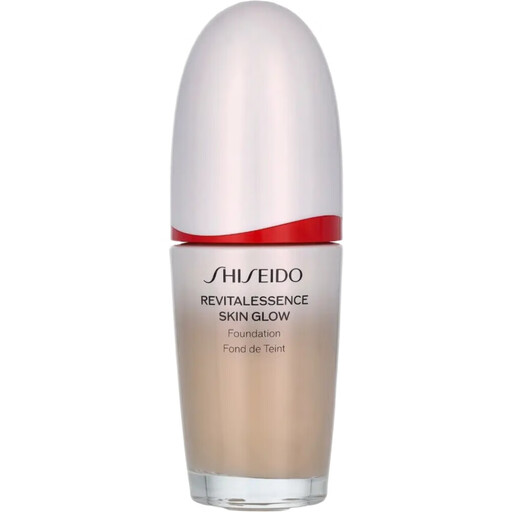
Why This Fits Their Persona: Suits shoppers seeking a lightweight, radiant finish and an integrated SPF feature for regular daytime wear.
The product description specifies a lightweight texture and radiant finish, making the intended result clearer than relying on vague “glow” wording alone.
Offers SPF 30 PA+++ as listed; the formula is described as suitable for all skin types and can be layered.
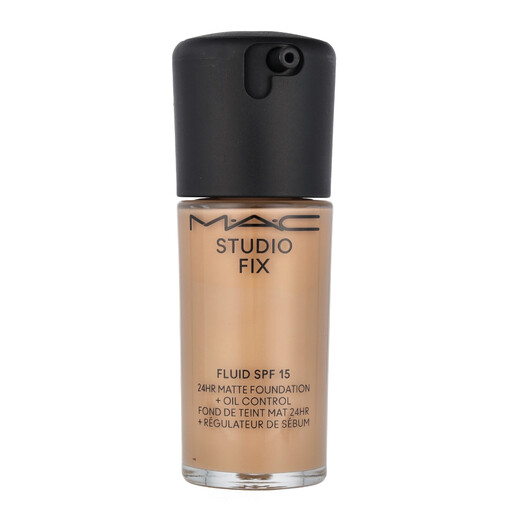
Why This Fits Their Persona: A suitable option for long working days, travel or combination skin where buildable coverage and a soft-matte finish are priorities.
The listing identifies medium-to-full buildable coverage rather than requiring one thick layer, while also specifying transfer, sweat and humidity resistance.
Oil-free formula with SPF 15; NC38 is listed for medium skin with neutral-cool golden undertones.
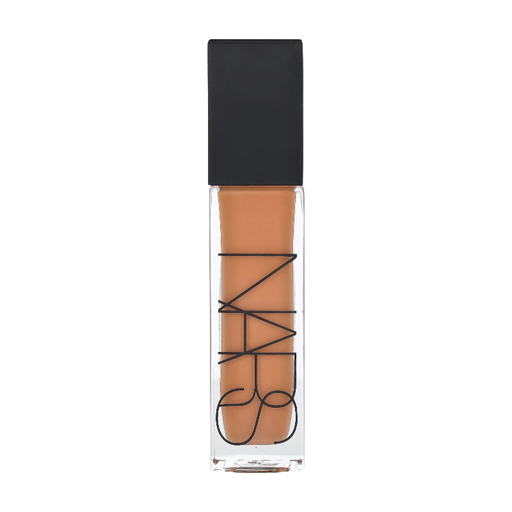
Why This Fits Their Persona: Designed for shoppers wanting full coverage with a natural finish, breathable feel and extended wear for occasions or busy routines.
The product details specify a lightweight, breathable formula rather than presenting full coverage as automatically thick or uncomfortable.
Listed with up to 16 hours of fade-resistant wear and resistance to transfer and sweat; oil-free and free from parabens according to the product information.
We have compiled a complete, real-time list of products that fully satisfy these strict selection criteria and UK safety regulations.
Many cosmetic products carry a period-after-opening symbol, such as 12M or 24M, rather than one universal expiry period. Follow the packaging guidance, store the bottle away from heat and direct sunlight, and replace it if the smell, texture or colour changes.
Usually not. Foundation with SPF can provide additional coverage, but people generally apply too little makeup to achieve the labelled protection. Use a separate broad-spectrum sunscreen for prolonged outdoor exposure and follow its reapplication instructions.
Choose according to both skin behaviour and preferred appearance. Dry skin often feels more comfortable with a hydrating or radiant finish foundation, while oily or combination skin may prefer a matte foundation. Skin preparation and a targeted setting powder can also help balance the finish without changing the whole formula.