
24/7 Customer Support

Free returns

Same-day & Next-day Delivery

Quality Guaranteed

Unlock Your Welcome Offers: FREE Delivery | Up to 80% OFF | Free 30-day JoyPlus trial
Download the APP
Choosing foundation makeup in the UK can feel more complicated than it should be. There are liquid foundation, powder and cushion formats, alongside claims about 24-hour wear, skincare benefits, SPF and colour matching. Yet a product that looks promising online may feel dry by lunchtime, oxidise after application or sit unevenly around the nose.
The right choice depends less on impressive packaging claims and more on coverage, finish, shade accuracy and compatibility with your skin type.
A long-lasting foundation may resist fading, but this does not automatically mean it will feel comfortable on dry areas. Full coverage foundation often contains a higher concentration of pigments and film-forming ingredients, which can emphasise texture if applied too heavily.
For long days, look for practical details such as transfer resistance, humidity resistance, buildable coverage and hydrating ingredients. Apply thin layers rather than expecting one thick layer to conceal everything.
A foundation with SPF can add to your daily routine, but it should not be treated as a replacement for a dedicated sunscreen, particularly during extended outdoor exposure. The amount of foundation usually applied may be lower than the amount needed to achieve the labelled SPF protection.
SPF 15 or SPF 20 may be useful as an additional feature, but use a separate broad-spectrum sunscreen when spending significant time outdoors.
Names such as “Ivory”, “Beige” or “Honey” are not universal colour standards. Undertones can be cool, warm, neutral or olive, and the same shade name can vary between brands. Lighting also affects online images.
Check the listed shade, compare it with your neck and jawline, and allow liquid foundation to settle before judging the colour. If possible, purchase from a retailer with clear product information and review the latest packaging details before use.
A buildable formula is often more versatile than a fixed full-coverage product. Start with a small amount in the centre of the face, then blend towards the hairline and jaw.
A matte foundation can be suitable for shine-prone skin, especially across the forehead, nose and chin. However, excessive powder or a highly mattifying formula may make dry patches more noticeable.
A dewy foundation reflects more light and can give dry or normal skin a fresher appearance. If your T-zone becomes oily, apply a lighter layer there and set only the areas that need it.
A natural or satin finish sits between the two. It may suit combination skin because it does not deliberately increase shine or flatten the complexion completely.
A hydrating foundation may include glycerin, hyaluronic acid or other moisture-supporting ingredients. A serum foundation combines complexion coverage with a skincare-style texture, but it should still be evaluated as makeup rather than a treatment.
For sensitive skin, check the complete ingredient list for fragrance, denatured alcohol and any ingredients you already know your skin dislikes. “Dermatologist-tested”, “vegan” and “cruelty-free” describe different things, so check each statement separately. Always follow the packaging guidance and stop use if irritation occurs.
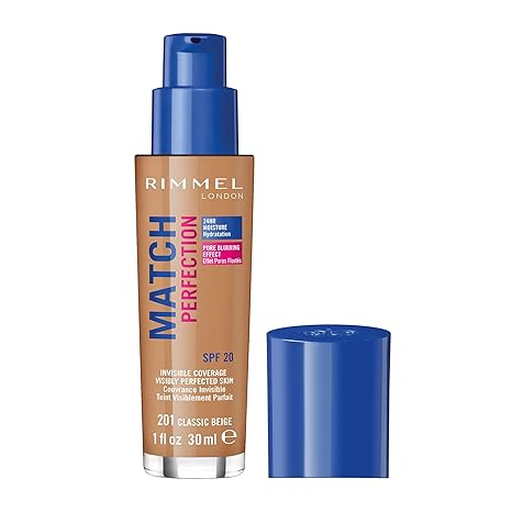
Why This Fits Their Persona: A practical starting point for everyday UK wear, with medium buildable coverage and a lightweight liquid texture.
Its medium, buildable coverage avoids committing to a heavy layer when a lighter daily base is preferred.
The listing specifies a 24-hour moisture complex, soft-focus powders, SPF 20 and a natural radiant finish.
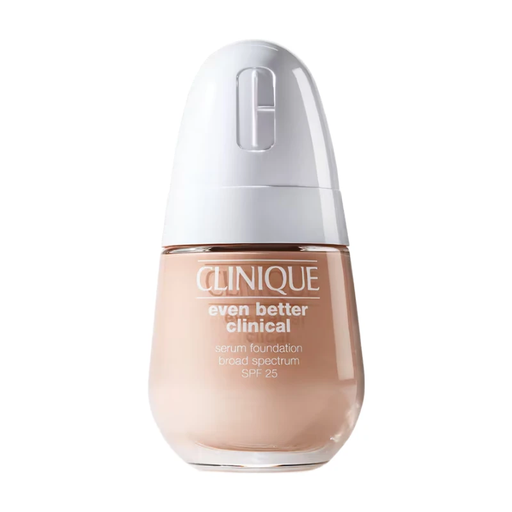
Why This Fits Their Persona: A serum foundation option for shoppers wanting buildable coverage, a satin-matte finish and a fragrance-free formula.
The shade CN28 Ivory is clearly identified, while the formula details help shoppers assess finish and compatibility before buying.
The product listing specifies medium-to-full buildable coverage, oil-free and fragrance-free formulation, SPF 20 and resistance to sweat and humidity.
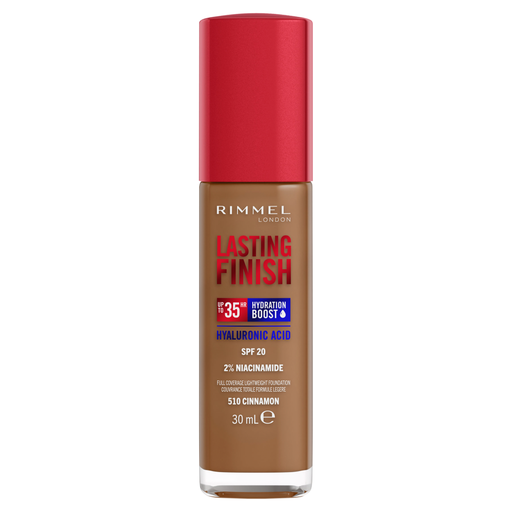
Why This Fits Their Persona: Designed for shoppers who need a fuller base for extended days, commuting, events or changeable UK weather.
The listing identifies transfer-proof, sweat-proof and humidity-resistant properties, rather than relying only on a general long-wear label.
It offers full coverage, SPF 20, a 2% hyaluronic acid complex and a vegan liquid formula according to the product information.
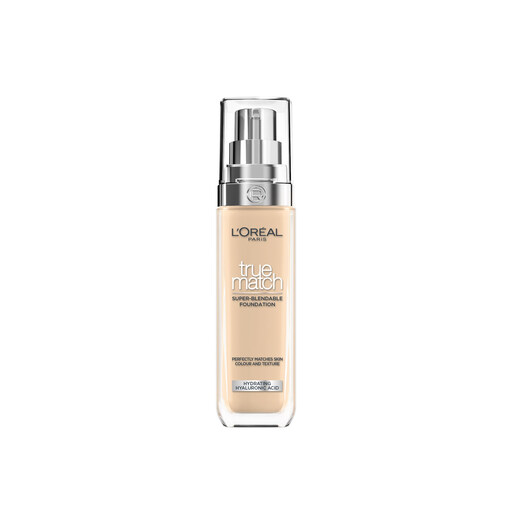
Why This Fits Their Persona: A daily option for shoppers who prefer medium, buildable coverage with a breathable, dewy finish.
The neutral 2N Vanilla shade description gives more useful matching information than a shade name alone.
The formula includes glycerin, hyaluronic acid, vitamin E and panthenol, and is listed as vegan, non-comedogenic and fragrance-free.
We have compiled a complete, real-time list of products that fully satisfy these strict selection criteria and UK safety regulations.
Shelf life varies by formula, packaging and storage. Check the open-jar symbol, batch information and packaging instructions. Store foundation in a cool, dry place away from direct sunlight, and do not share products that contact the skin.
Yes, but choose the finish carefully. A natural or satin formula can balance dry cheeks and an oily T-zone. Clinique Superbalanced Makeup Foundation, for example, is listed with medium coverage and a formula intended to add moisture while reducing the appearance of excess oil. Apply a thinner layer over areas prone to shine and set them lightly.
The jawline and neck usually provide a more dependable comparison than the centre of the face, where redness or discolouration can affect your judgement. Check the foundation in daylight, particularly when choosing from a wide range of foundation shades online.