
24/7 Customer Support

Free returns

Same-day & Next-day Delivery

Quality Guaranteed

Unlock Your Welcome Offers: FREE Delivery | Up to 80% OFF | Free 30-day JoyPlus trial
Download the APP
Choosing foundation make-up is rarely as simple as picking the closest-looking bottle. The wrong undertone can make skin appear grey or orange, while an unsuitable finish may emphasise dry patches or leave an oily T-zone looking shiny. Marketing language can also make everyday formulas sound more advanced than they are.
This guide explains the practical details to check before buying, then matches several options to different shopping needs.
A shade can be the right depth but still look incorrect if its undertone does not suit your complexion. Most shades sit within warm, cool or neutral undertone families:
Names such as “Ivory”, “Beige” or “Natural” are not standard shade measurements between brands. Check the brand’s shade descriptions, compare swatches in natural daylight and, where possible, test along the jaw rather than the hand.
A full coverage foundation does not automatically create a smoother-looking base. Applying too much product can settle around pores, expression lines or dry areas. Conversely, a sheer formula may not cover redness or blemishes without additional concealer.
Look for whether coverage is buildable, meaning it can be layered gradually, rather than assuming “full coverage” will suit every occasion.
A foundation with SPF can contribute to daily protection, but it is applied in a much smaller quantity than a dedicated facial sunscreen. SPF 15, for example, should not be treated as the only protection during prolonged outdoor exposure. Follow the product label and use additional sun-protection measures when needed.
Also check the actual ingredient list on the packaging. Formulas, shade names and instructions can change, so the packaging is the most current source.
A liquid foundation is generally versatile and can be applied with fingers, a brush or a damp sponge. A foundation and concealer hybrid can reduce the number of products needed, particularly for targeted coverage.
Choose the finish according to both preference and skin behaviour:
People with combination skin may prefer a balanced liquid formula, applying less product to the T-zone and slightly more to drier cheek areas. A mineral foundation in loose powder form can be convenient for shine control, but powder may highlight flaky patches if skin is not moisturised first.
If you have sensitive skin, read the full ingredient list rather than relying only on phrases such as “gentle” or “clean”. Consider fragrance, alcohol denat., essential oils and known personal sensitivities. A patch test is sensible, particularly when trying a new formula.
For UK shoppers, check that the product has appropriate cosmetic labelling, including ingredients, usage guidance and warnings. Stop using any foundation that causes persistent irritation and seek medical advice if symptoms continue.
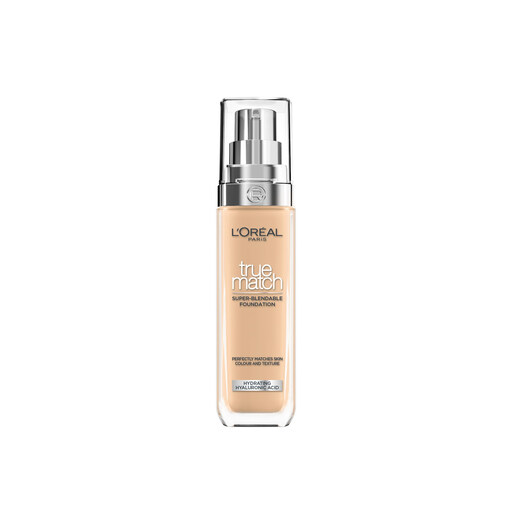
Why This Fits Their Persona: A practical everyday liquid foundation for shoppers who want a wide shade range and a comfortable, natural-looking base. The listed formula includes glycerin, hyaluronic acid and aloe vera extract.
Its shade-matching approach and available shade selection help reduce the risk of choosing solely by a generic colour name.
30ml bottle; hydrating ingredients; natural-looking, blendable coverage.
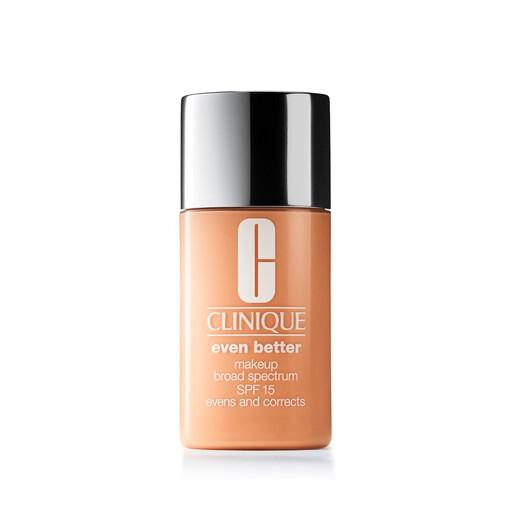
Why This Fits Their Persona: Suitable for shoppers seeking medium-to-full buildable coverage with a natural, radiant finish. The product is listed as oil-free and non-comedogenic, with SPF 15.
Buildable application makes it possible to add coverage only where needed instead of creating a heavy full-face layer.
Oil-free formula; SPF 15; 30ml size; radiant natural finish.
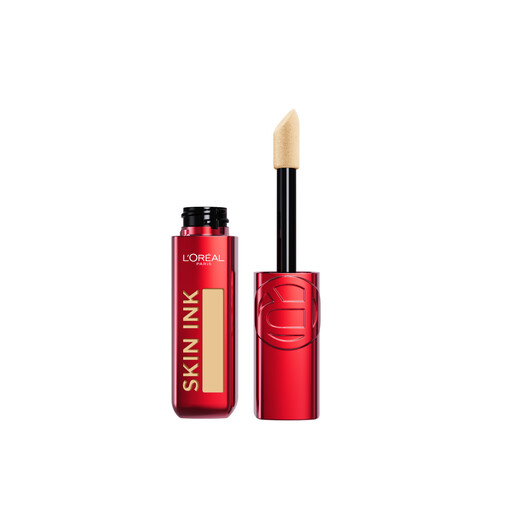
Why This Fits Their Persona: A compact foundation and concealer format for commuters, travel bags or occasions requiring targeted and all-over coverage from one applicator.
The applicator supports precise concealing as well as broader application, helping avoid unnecessary product layers.
Soft matte finish; self-setting formula; 15ml travel-friendly size.
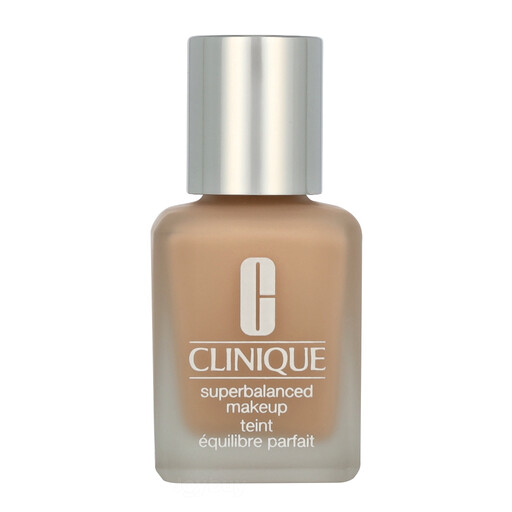
Why This Fits Their Persona: Designed for normal-to-oily and combination skin, making it relevant when cheeks feel drier but the T-zone becomes shiny during the day.
Its stated oil-free positioning and moderate, buildable coverage address the common mistake of using an overly dry matte formula everywhere.
Oil-free liquid texture; natural finish; moderate buildable coverage.
Many cosmetic products display an open-jar symbol such as 12M, indicating the recommended period after opening. Actual storage matters: keep foundation away from heat and direct sunlight, and avoid sharing applicators. Follow the specific packaging guidance.
Mineral formulas may appeal to shoppers avoiding particular ingredients, but “mineral” does not guarantee that irritation is impossible. Check the complete ingredient list, avoid applying to damaged skin and patch test before regular use.
You can use it as part of a daily routine, but the product’s SPF should be viewed as supplementary unless the label and application amount support the intended protection. For strong or prolonged sun exposure, use a dedicated sunscreen and follow reapplication guidance.