
24/7 Customer Support

Free returns

Same-day & Next-day Delivery

Quality Guaranteed

Unlock Your Welcome Offers: FREE Delivery | Up to 80% OFF | Free 30-day JoyPlus trial
Download the APP
Choosing foundation make-up is rarely as simple as picking the shade that looks closest online. A formula can appear natural in a product photo yet feel dry by lunchtime, settle around the nose or turn noticeably darker after application. The right choice depends on your skin type, preferred coverage, finish, ingredients and how you plan to wear it.
This guide filters the most important information so you can compare liquid foundation, blurring foundation and cushion foundation options without relying on exaggerated marketing language.
A blurring foundation can make pores and uneven texture appear less noticeable, but this does not necessarily mean it provides full coverage. Look for terms such as medium coverage and buildable coverage foundation if you want to conceal redness or marks gradually without applying a heavy layer.
A matte finish foundation may help reduce visible shine, but it can emphasise dry patches if your skin is dehydrated. Likewise, a hydrating foundation may feel comfortable on normal or dry areas but appear too radiant through an oily T-zone. Combination skin often needs a balancing formula rather than an extremely matte or rich base.
An SPF foundation can contribute to daily sun protection, but its protection depends on how much product is applied and how evenly it is distributed. It should not automatically replace a dedicated sunscreen, particularly during prolonged outdoor exposure. Follow the product instructions and consider the wider UK sun-protection guidance relevant to your routine.
For everyday wear, medium, buildable coverage offers flexibility. Apply a thin layer across the face, then add product only where more coverage is needed. This can be more practical than using a high-coverage formula everywhere.
Application tools also change the result:
Natural, matte, satin and radiant finishes describe how the base reflects light, not how long it will last. Silica and silicone-based ingredients are often found in formulas designed to create a smoother or more shine-controlled appearance, but individual results vary according to skincare, primer, weather and application.
For UK conditions, consider whether the foundation needs to cope with commuting, indoor heating, rain or changing temperatures. “Long-wearing” should be treated as a product description rather than a promise that make-up will remain unchanged in every situation.
Shade depth is only one part of a suitable match. You should also consider undertone:
Where possible, compare the shade with your jawline in natural daylight rather than matching only to your hand. Check the exact shade name on the retailer’s current product page, as shade numbering can differ between ranges and some listings may contain inconsistent descriptions.
Ingredient preferences are also worth checking. A vegan cruelty-free foundation should be identified through the product or certification information rather than assumed from brand positioning. If you prefer fragrance-free make-up, read the current packaging and ingredient list before purchase. Stop using any cosmetic that causes irritation.
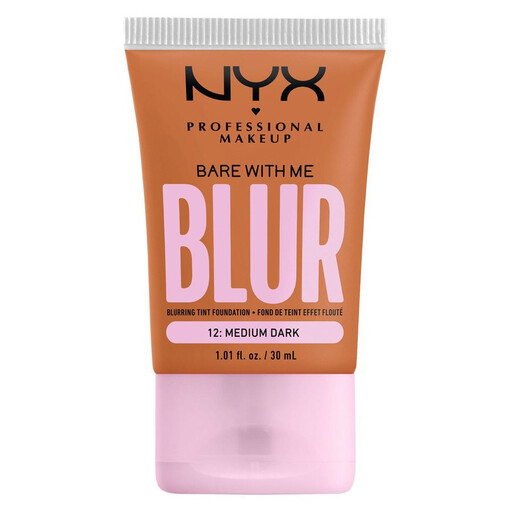
Why This Fits Their Persona: A practical starting point for shoppers wanting one everyday base that can be applied lightly for work or layered for evenings out.
The listing specifies medium, buildable coverage and a natural-looking matte finish, making the coverage expectation clearer than vague “filter” language.
Contains glycerin, matcha and niacinamide; the product information states up to 12 hours of hydration. It is described as vegan and certified cruelty-free.
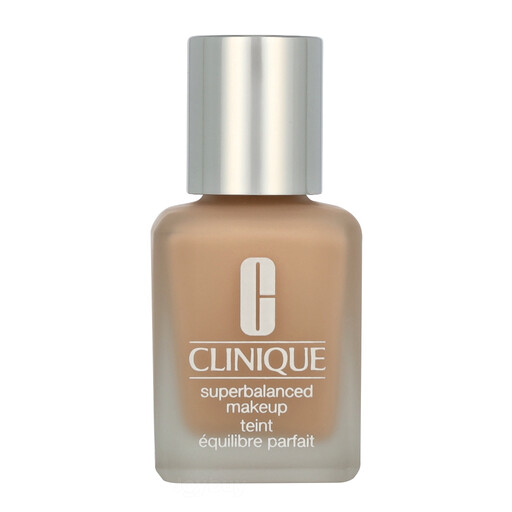
Why This Fits Their Persona: A considered option for people whose cheeks can feel drier while the T-zone becomes oily, including office-based UK routines and moderate daily wear.
It is listed as an oil-free liquid foundation for combination skin, rather than a single-finish formula positioned for every skin type.
Offers moderate, buildable coverage and a natural finish. The listing identifies it as fragrance-free, oil-free and shade 01 Petal.
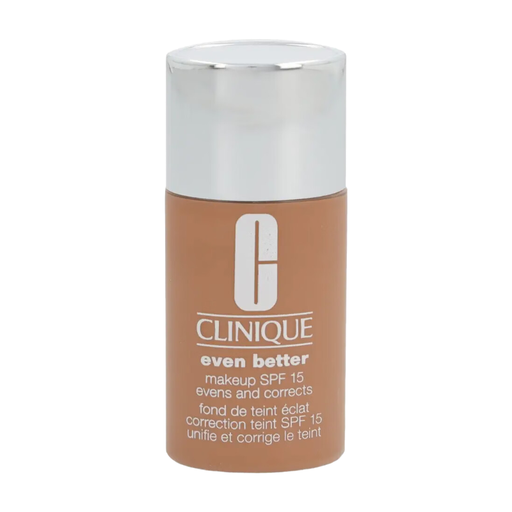
Why This Fits Their Persona: Suits shoppers who want buildable moderate coverage, a natural finish and an SPF-labelled base for everyday errands or commuting.
The SPF15 rating is stated clearly, so it is easier to distinguish a foundation with sun-filter ingredients from one with no stated SPF.
The formula is described as oil-free, fragrance-free and suitable for dry combination to combination oily skin. Check separate sunscreen needs before outdoor use.
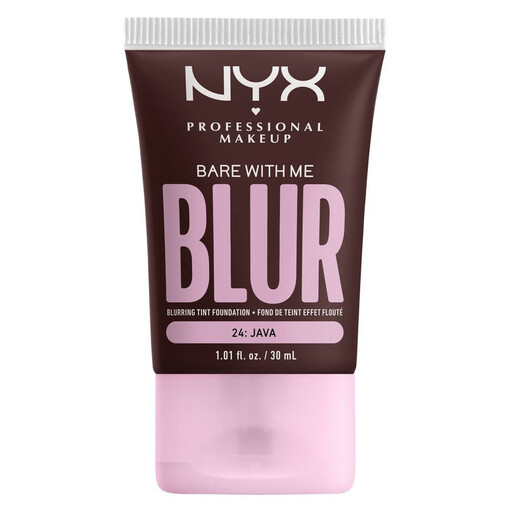
Why This Fits Their Persona: Designed for shoppers who regularly need to soften the appearance of pores and uneven tone while keeping a comfortable base through a busy day.
Its product information specifies a lightweight texture, medium buildable coverage and a matte finish, rather than implying that one coat will conceal every concern.
Includes glycerin, silica, niacinamide and sodium hyaluronate in the listed ingredients. The range is described as having 24 shades; confirm shade availability and match before ordering.
Store foundation away from excessive heat and direct sunlight. Always check the current packaging for ingredients, batch information, shelf-life guidance and warnings. If redness, itching or discomfort develops, discontinue use.
We have compiled a complete, real-time list of products that fully satisfy these strict selection criteria and UK safety regulations.
There is no single lifespan for every foundation. Follow the period-after-opening symbol and storage instructions on the packaging. Changes in smell, colour, texture or separation can indicate that the product should no longer be used.
It can be, provided the finish and formula suit your skin. An oil-free or matte finish foundation may feel more comfortable on an oily T-zone, while combination skin may benefit from targeted powdering rather than a heavily mattifying layer across the whole face.
Cost depends on the amount applied, packaging size and whether a refill is available. Cushion formats can be convenient for touch-ups, but compare the net quantity and shade information with a 30ml liquid foundation before judging value.