
24/7 Customer Support

Free returns

Same-day & Next-day Delivery

Quality Guaranteed

Unlock Your Welcome Offers: FREE Delivery | Up to 80% OFF | Free 30-day JoyPlus trial
Download the APP
A bottle of foundation makeup can look promising online yet disappoint once it meets real British weather, indoor heating or a full working day. The main challenge is not simply choosing a shade. You also need to compare coverage, finish, wear claims, skin compatibility and sun-protection details without relying on vague marketing language.
A radiant finish foundation should give the complexion a light-reflective appearance, but that does not necessarily mean it will control oil. If your skin becomes shiny around the nose and forehead, a highly luminous formula may need careful application or light setting powder.
Conversely, very matte foundation can emphasise dry patches, particularly during colder months or in centrally heated rooms. Look for descriptions such as natural radiant, satin or buildable coverage, rather than assuming that “glow” will suit every skin type.
Terms such as “16-hour” or “24-hour” describe the product’s stated wear positioning, not a promise that it will look identical all day on every person. Heat, rain, face touching, skincare underneath and mask friction can affect the result.
A long-lasting foundation is more likely to perform consistently when applied in thin layers to properly moisturised skin. Check whether the formula also states features such as fade resistance, transfer resistance or sweat resistance, and remember that these are separate qualities.
Screen settings and lighting can distort colour. Shade names also vary between brands. A warm shade may look too yellow on a neutral undertone, while a cool shade can appear pink or grey.
For a skin-matching foundation, compare the shade description with your depth and undertone. Test along the jawline rather than the hand, allow the product to settle, and check it in daylight where possible. If a shade is unavailable, selecting the nearest undertone is generally more useful than choosing only by how light or dark the bottle appears.
For everyday redness and uneven tone, medium coverage can offer a balanced appearance without requiring a heavy layer. A medium-to-full coverage foundation is more suitable if you want to cover visible discolouration or create a polished evening look, but it should still be applied gradually.
A liquid foundation with buildable coverage gives you more flexibility than a formula that delivers one fixed level of opacity. Start with a small amount around the centre of the face, then add a thin layer only where needed.
An SPF foundation can add useful daytime protection, but it should not automatically replace a dedicated sunscreen. Foundation is often applied too thinly and too unevenly to deliver the labelled protection across the whole face. For extended outdoor exposure, apply a separate broad-spectrum sunscreen beneath makeup and follow its reapplication guidance.
The products below include SPF 15, SPF 20 or SPF 30 options. SPF ratings indicate UVB protection, while additional labelling such as PA+++ relates to UVA protection. Always check the current packaging and directions before use.
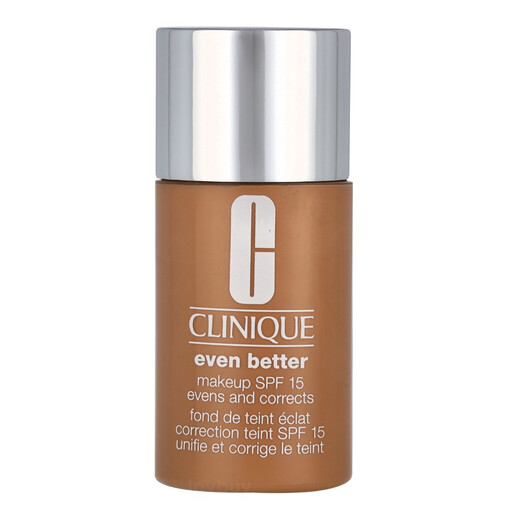
Why This Fits Their Persona: A practical everyday liquid foundation for shoppers who want moderate, buildable coverage, a natural finish and added SPF in one 30ml bottle.
The product description specifies a natural finish and buildable coverage, helping you avoid buying an overly matte or opaque base for daily use.
Moderate, buildable coverage; SPF 15; fragrance-free formulation listed by the product description.
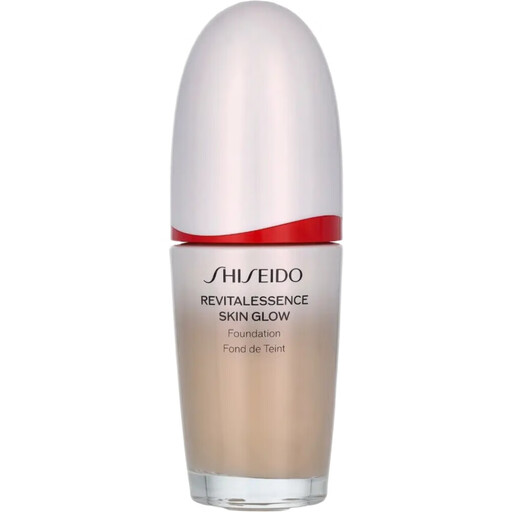
Why This Fits Their Persona: Suits shoppers seeking a lightweight radiant finish foundation with SPF 30 and a comfortable feel for regular daytime wear.
Its listed SPF, lightweight texture and radiant finish are clearly specified, so shoppers can compare practical features rather than relying only on “glow” language.
SPF 30 PA+++ listed; lightweight formula; nourishing ingredients including glycerin and niacinamide.
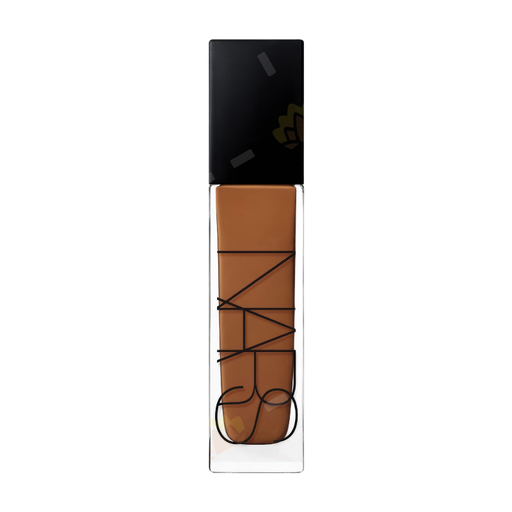
Why This Fits Their Persona: A suitable option for shoppers wanting medium-to-full coverage, a natural radiant appearance and a formula positioned for extended daily wear.
The listing identifies fade-resistant, transfer-resistant and sweat-resistant properties, giving more useful information than a general long-wear label.
Medium-to-full coverage; stated 16-hour fade-resistant wear; breathable liquid formula with fruit extracts.
We have compiled a complete, real-time list of products that fully satisfy these strict selection criteria and UK safety regulations.
A 30ml foundation may last several months, depending on whether you apply it daily, how much coverage you use and whether you apply it to the neck. A single pump or pearl-sized amount is often enough to begin with. Keep the bottle closed, store it away from heat and follow the packaging guidance for shelf life.
It is safer to treat SPF foundation as an additional layer rather than your only sun protection. Apply a separate sunscreen in the amount recommended on its packaging, particularly for prolonged outdoor exposure. Foundation may not be applied evenly or generously enough to provide the labelled protection.
A natural or satin finish is often easier to balance on combination skin than an intensely dewy formula. Apply a lighter layer on oily areas, add coverage only where required, and use a small amount of translucent powder through the T-zone while leaving the cheeks less powdered.