
24/7 Customer Support

Free returns

Same-day & Next-day Delivery

Quality Guaranteed

Unlock Your Welcome Offers: FREE Delivery | Up to 80% OFF | Free 30-day JoyPlus trial
Download the APP
Choosing foundation makeup in the UK is rarely as simple as selecting a colour from a screen. Indoor lighting, changing seasons, undertones and different formula types can all affect the final result. A foundation that looks suitable in a product photograph may appear too pink, too orange, too pale or noticeably dry once applied.
This guide explains the practical details to check before buying, from foundation shades and undertones to coverage, finish and ingredient considerations. It also highlights our top recommendations for different shopping priorities.
A shade can be the correct depth but still look wrong if the undertone does not match. Foundation shades are often described as warm, cool or neutral:
The skin on your hand may be a different colour from your face, so test a small amount along the jawline where the face and neck meet. Allow liquid foundation a few minutes to settle before judging the match.
A full-coverage foundation can conceal more visible discolouration, but applying too much may emphasise texture or dry patches. A lightweight buildable coverage foundation gives you more control: apply a thin layer across the face, then add product only where required.
Remember that “natural”, “radiant”, “soft matte” and “velvet” are not standardised technical categories. Look for practical details such as whether the formula is described as matte, satin-finish or natural-finish foundation, and consider your skin’s oil and moisture levels.
An SPF foundation can contribute to daily sun protection, but makeup is not always applied in the quantity needed to achieve the labelled protection level. For outdoor exposure, use a dedicated broad-spectrum sunscreen as directed, then apply foundation once it has settled. SPF should be treated as an additional feature rather than the only sun protection in your routine.
Liquid foundation is versatile and works well with a brush, sponge or fingertips. It can offer sheer, medium or full coverage, depending on the formula and application technique.
A cushion foundation, including a Korean cushion foundation, is convenient for quick application and touch-ups. The compact format is useful for handbags and travel, although the included puff needs regular cleaning or replacement to maintain good hygiene.
For drier complexions, look for a hydrating foundation containing ingredients such as glycerin, hyaluronic acid or squalane. For oilier skin, an oil-free or matte foundation may help create a less shiny appearance. Neither finish guarantees a particular wear result, so preparation and setting products still matter.
Coverage generally ranges from sheer to full. Medium coverage often suits everyday use because it can even out tone without completely masking natural skin texture. A full-coverage foundation may be more suitable for occasions where you want greater concealment, but it should be applied in thin layers.
Check whether the product is described as buildable coverage foundation rather than assuming that “high coverage” will be comfortable for long periods.
Terms such as long-lasting, transfer-resistant and waterproof describe intended formula performance, but actual wear varies according to skin type, weather, skincare and application. UK conditions can involve cool, damp commutes as well as heated offices, so a long-lasting foundation should still feel comfortable rather than tight or heavy.
If you have blemish-prone or reactive skin, review the current packaging and ingredient list. Products labelled non-comedogenic foundation, fragrance-free or oil-free may be worth considering, but no cosmetic formula can guarantee that irritation or breakouts will not occur. Patch testing is sensible, particularly when trying a new product.
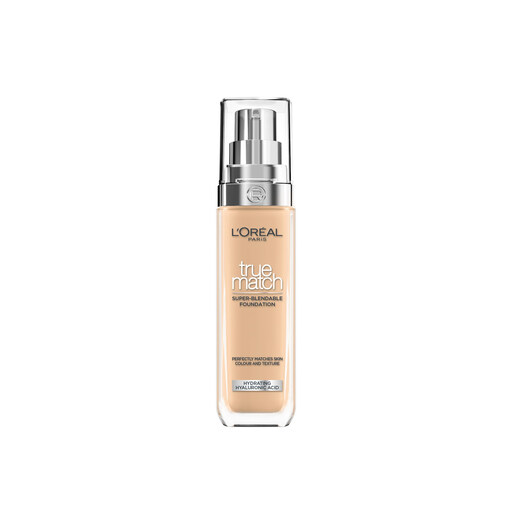
Why This Fits Their Persona: A practical everyday option for shoppers who want a familiar liquid foundation with a broad shade selection and a comfortable, skin-like look.
Its listed shade range and skin-matching pigment system make undertone comparison more straightforward than choosing by shade depth alone.
Contains hyaluronic acid, glycerin and aloe vera extract; the listed formula is non-comedogenic and designed for a natural-looking finish.
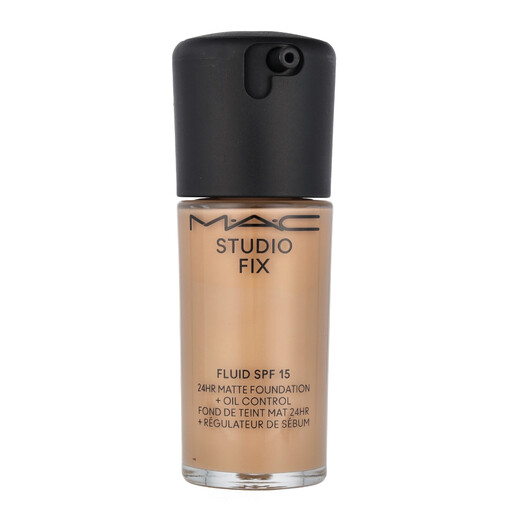
Why This Fits Their Persona: Suits shoppers seeking a polished soft-matte base for workdays, events and humid or active conditions.
The NC38 shade is specified for medium skin with neutral, cool and golden characteristics, while coverage can be built gradually.
Medium-to-full buildable coverage, soft-matte finish, SPF15 and a formula listed as oil-free, non-comedogenic and transfer-resistant.
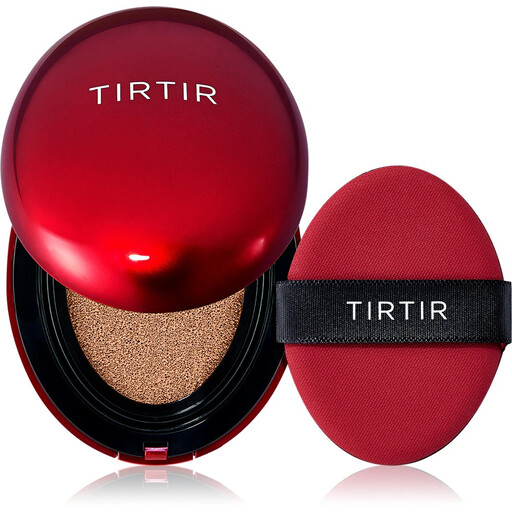
Why This Fits Their Persona: A convenient choice for commuters and makeup users who value portable application, higher coverage and quick touch-ups.
The 29N shade is identified for medium skin with neutral undertones, helping shoppers compare both depth and undertone before purchase.
Cushion format, buildable coverage, semi-matte finish and SPF40 PA++ listed on the product description.
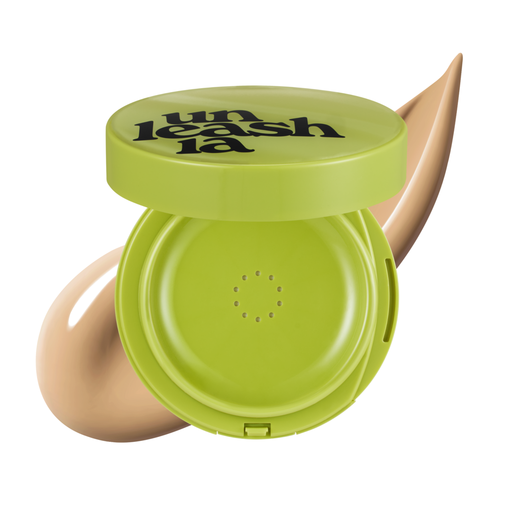
Why This Fits Their Persona: Suitable for shoppers who prefer a lightweight cushion base with a semi-matte satin appearance and skincare-oriented ingredients.
Its airless packaging is designed to dispense fresh product, while the shade listing clearly identifies a light-medium neutral tone.
Lightweight buildable coverage, satin finish, SPF30 PA++ and ingredients including niacinamide and squalane.
Follow the open-jar period and storage guidance printed on the packaging. Keep foundation closed, away from heat and direct sunlight, and do not share applicators. Changes in smell, texture or colour are reasons to stop using the product.
Liquid foundation offers more flexibility in the amount applied and the tools used. Cushion foundation is convenient and quick, particularly for touch-ups, but the puff must be kept clean. Beginners may prefer liquid formulas when learning how to control coverage.
Begin with suitable skincare, apply a thin even layer and allow it to set before adding powder or other products. Choose a formula described as long-wearing if that is a priority, but remember that heating, rain, sweat and frequent face touching can affect any foundation.