
24/7 Customer Support

Free returns

Same-day & Next-day Delivery

Quality Guaranteed

Unlock Your Welcome Offers: FREE Delivery | Up to 80% OFF | Free 30-day JoyPlus trial
Download the APP
Choosing foundation makeup in the UK is not simply a matter of picking the most attractive bottle. The right formula must suit your skin type, tone, preferred finish and daily routine. A foundation that looks smooth under shop lighting may separate on dry patches, transfer onto clothing or become uncomfortable during a long day.
This guide explains the practical details worth checking before you buy, including coverage, undertones, wear claims, SPF labelling and cushion packaging. It also highlights selected products for different shopping needs.
Words such as “radiant”, “glowing” and “luminous” can describe a comfortable natural finish, but they may also signal more visible shine on an oily T-zone. Conversely, a strongly matte formula can emphasise flaky areas if your skin is dry.
Look for specific descriptions such as satin finish foundation, semi-matte foundation or natural radiant foundation, then check whether the formula also includes moisturising ingredients or oil-control components. Finish and hydration are separate considerations.
An SPF 30 foundation or SPF 40 foundation can contribute to your daily routine, but coverage is usually applied too thinly and unevenly to replace a dedicated sunscreen. Apply a suitable broad-spectrum sunscreen separately when sun protection is needed, and follow the product label.
Also note that SPF ratings shown on cosmetic packaging may use different testing and labelling systems. Do not assume that a higher number automatically means longer wear or a better colour match.
A long-lasting foundation may resist fading, while another may focus on transfer resistance or sweat resistance. These are not interchangeable. A product can remain visually even but still transfer onto a collar, face covering or phone.
For important occasions, check the stated wear features and apply thin layers. More product does not necessarily create a more durable finish.
Coverage describes how much discolouration the formula visually masks.
For a breathable base, begin with a small amount around the centre of the face and add product only where needed. A damp sponge generally gives a softer result, while a brush can provide more coverage.
A shade number alone is not enough. Check whether the description identifies the undertone as neutral, warm, cool, peach, golden or yellow. A shade that is technically deep enough can still look grey, orange or pink if the undertone is unsuitable.
When selecting a shade-matched foundation, compare it with your jawline rather than your hand. If possible, view the shade in natural daylight and allow liquid foundation to settle before judging the colour. For shoppers seeking foundation for darker skin tones, look for clear undertone information and several depth options rather than relying only on generic shade names.
For foundation for dry skin, ingredients such as glycerin, squalane, hyaluronic acid or a water-based essence may support a more comfortable application, although ingredient presence does not guarantee a particular result for every user. A hydrating foundation can still need moisturiser underneath, especially in colder UK weather.
If you have reactive or sensitive skin, review the full ingredient list. Fragrance, certain preservatives, botanical extracts and other ingredients may not suit everyone. Choose a foundation for sensitive skin carefully, patch test when appropriate and stop use if irritation occurs.
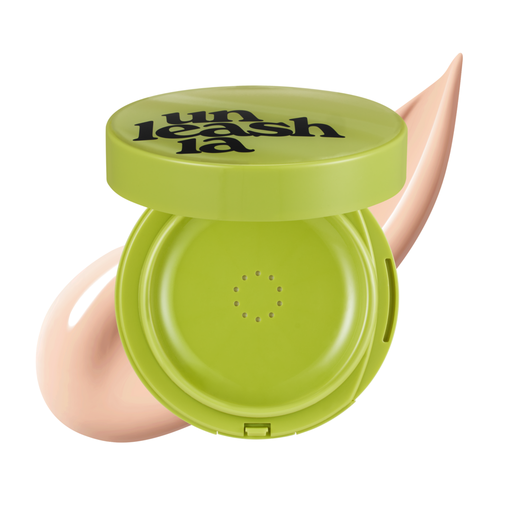
Why This Fits Their Persona: A straightforward cushion format for shoppers starting with Korean-style complexion products and wanting quick application before commuting or heading out.
Its stated lightweight, buildable coverage helps you add product gradually instead of committing to a heavy first layer. The product also lists SPF 30 PA++ and a side-button airless dispensing design.
Neutral peach shade for fair to light skin; semi-matte satin finish; refillable cartridge design.
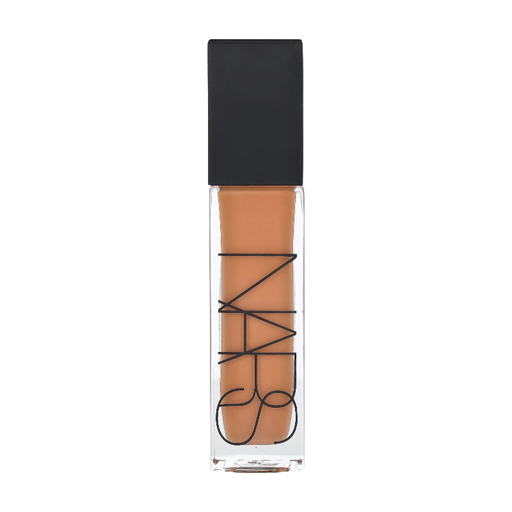
Why This Fits Their Persona: A liquid option for shoppers who prefer a conventional bottle, controlled dispensing and medium-to-full or full-coverage makeup for working days and occasions.
The listed features distinguish coverage from finish: it offers full coverage with a natural finish, rather than implying that a radiant appearance must mean low coverage.
30ml bottle; breathable formula described as transfer- and sweat-resistant; natural radiant finish.
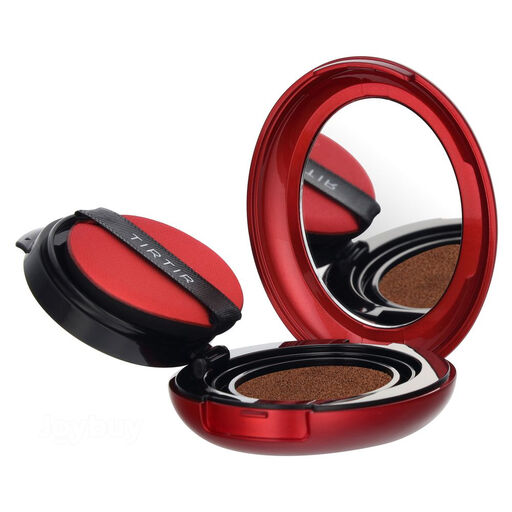
Why This Fits Their Persona: Useful for customers needing high coverage, a deeper neutral-warm shade and a compact format for handbags, travel or touch-ups.
The 4.5g mini size lets you trial the shade or carry it for reapplication without buying a full-sized compact. Its stated transfer-resistant design should still be checked against your own routine.
35N Walnut is described as a neutral-warm deep shade; SPF 40 PA++; egg-shaped puff supports precise application.
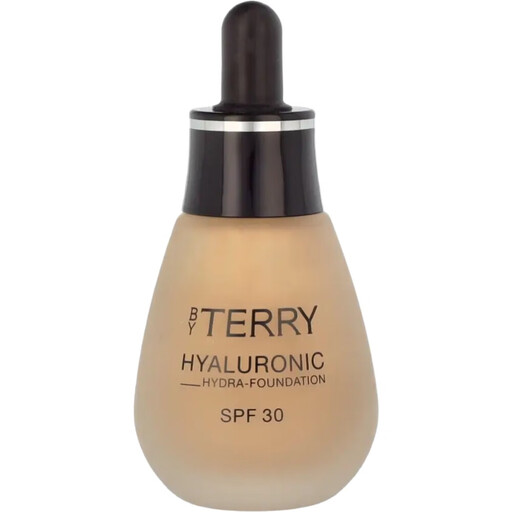
Why This Fits Their Persona: A practical match for shoppers seeking a skincare-conscious base, adjustable coverage and a neutral-medium-dark shade for everyday wear.
The stated drop guidance—two drops for sheer and four for medium coverage—makes the coverage range clearer than a vague “flawless” claim. The ingredient list includes glycerin and sodium hyaluronate.
Buildable coverage; soft matte finish with natural luminosity; SPF 30 label and 30ml format.
We have compiled a complete, real-time list of products that fully satisfy these strict selection criteria and UK safety regulations.
Yes, a cushion foundation can be convenient for daily make-up because it is quick to apply and easy to carry. The finish and coverage depend on the formula. Check the shade range, refill system, ingredients and stated SPF rather than assuming every Korean cushion foundation performs in the same way.
A satin or natural radiant finish may look more comfortable on dry skin than a very flat matte formula. Choose a hydrating foundation, prepare the skin properly and apply thin layers. If flaking or irritation persists, discontinue use and review the ingredients.