Hosts planning around four pints
If you are serving roughly 11–12 drinks at a 200 ml preparation basis, the dose and portion count matter more than pack weight on its own. Check the mug size before deciding how much to make.


For about four UK pints of prepared hot chocolate, plan around the serving instructions rather than looking for a four-pint pack: four pints are approximately 2.27 litres, or roughly 11–12 drinks if each uses 200 ml of liquid. Choose a milk-prepared powder if you can heat enough milk for the group, or an add-water powder for kettle-based service; chocolate flakes are another option, but check their recipe and allergen warnings before planning a full batch.
If you are serving roughly 11–12 drinks at a 200 ml preparation basis, the dose and portion count matter more than pack weight on its own. Check the mug size before deciding how much to make.
If you want a milk-prepared drink with the cream tea, allow for the milk and a way to heat it. Tesco Groceries lists hot-milk instructions for Galaxy, Cadbury and Tesco drinking chocolates.
An add-water powder offers a different preparation route when heating a batch of milk is impractical. Check its ingredients separately: the water-prepared Options product listed by Tesco Groceries contains sweeteners.
Decide how you will prepare the drinks, then calculate the batch from the chosen product’s recipe and your actual mugs.
Choose when: You want hot milk to be part of each drink and can heat enough for the service.
Allow for: Milk storage, heating and the time needed to mix the drinks.
Choose when: Kettle-based preparation fits your serving setup.
Check: Adding water does not establish that the powder is free from milk ingredients.
Choose when: You want to use a flake recipe and can confirm how much the pack makes.
Check: Marks & Spencer warns that its reviewed dark flakes are unsuitable for people with milk, nut or peanut allergies.
| Priority | What to check | Your needs |
|---|---|---|
| Batch quantity | Check the liquid volume and powder dose per serving, the portions per pack and your mug size. Tesco Groceries states 25 portions for Galaxy Drinking Chocolate 450 g, with 200 ml milk per portion. | I need enough prepared drink for the group, not simply a large-looking powder pack. |
| Preparation | Check whether the recipe calls for hot milk or water, and whether your equipment can prepare the required volume. Tesco Groceries specifies 200 ml hot water for Options Belgian Chocolate and hot milk for Galaxy Drinking Chocolate. | I may have a kettle available but no practical way to heat milk for every guest. |
| Ingredients and allergens | Read the exact pack’s ingredients and allergen statement, including any precautionary warnings. Marks & Spencer marks its reviewed dark flakes unsuitable for people with milk, nut or peanut allergies. | Guests may have different ingredient or allergy requirements, so I need to check the product I will actually serve. |
| Nutrition per drink | Compare the nutrition information using the stated prepared serving and its recipe, rather than powder weight alone. Check whether the powder contains sweeteners. | If guests want to compare drinks, I need figures for the prepared mug they will receive. |
Four UK pints are approximately 2.27 litres, using the 568 ml UK pint stated by Hampshire County Council. A recipe based on 200 ml of liquid would therefore take roughly 11–12 servings; different mugs change that plan.
Start with the chosen product’s liquid volume and powder dose per drink, then calculate the quantity for your mugs and guest count.
Tesco Groceries gives hot-milk instructions for Galaxy, Cadbury and Tesco drinking chocolates, but a hot-water instruction for Options Belgian Chocolate. The liquid you need depends on the product.
Check the recipe before arranging milk, kettle capacity and serving equipment.
A milk-prepared batch also needs enough milk, suitable storage and a way to heat it.
Water is the preparation liquid for the reviewed Options product, yet that does not establish that every guest can have it. Marks & Spencer also gives specific allergy warnings for its reviewed dark flakes.
Read the ingredients and allergen statement on the exact variant before serving it, especially if changing flavour or pack size.
Cadbury has both milk-prepared drinking chocolate and an instant hot-chocolate product in the reviewed grocery listings.
The reviewed Galaxy Drinking Chocolate is a milk-prepared powder with a stated portion count.
The reviewed Options Belgian Chocolate jar uses a hot-water recipe.
Tesco’s reviewed own-label drinking chocolate is prepared with milk.
Sainsbury’s lists own-label instant and drinking-chocolate products as well as branded options.
Marks & Spencer lists instant hot chocolate, drinking chocolate and chocolate flakes.
These Joybuy options include add-water powders and milk-prepared drinking chocolates for the cream-tea plan. Use each pack’s preparation instructions to establish how much to buy for four pints.
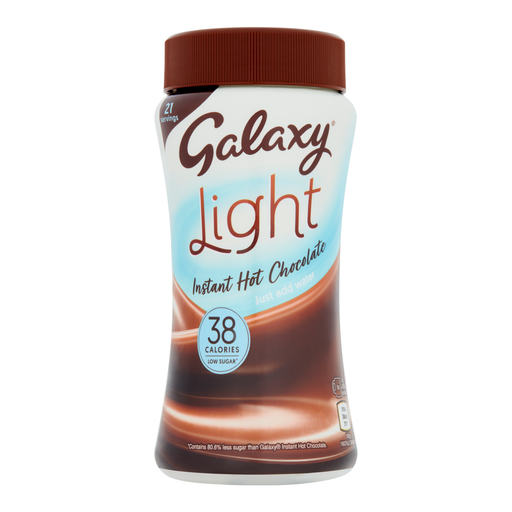 No image available
An instant option for kettle-based preparation. For a four-pint service, check the pack’s dose and prepared volume per mug before deciding how many 210 g packs you need; hot-water preparation does not establish dairy-free suitability.
 No image available
A milk-prepared drinking chocolate for hosts who can heat milk for the cream tea. Check the pack’s liquid volume and powder dose before calculating how many drinks the 500 g pack will make; check its milk warning for guests with allergies.
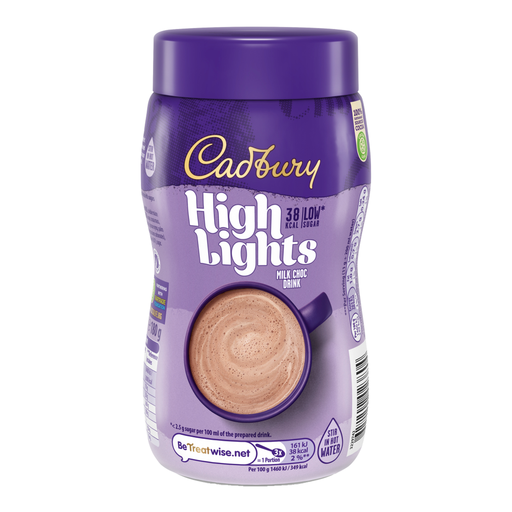 No image available
A hot-water preparation option when heating milk for a group is impractical. Check the serving instructions to work out the number of 180 g packs required, and read the milk allergen information on the actual pack.
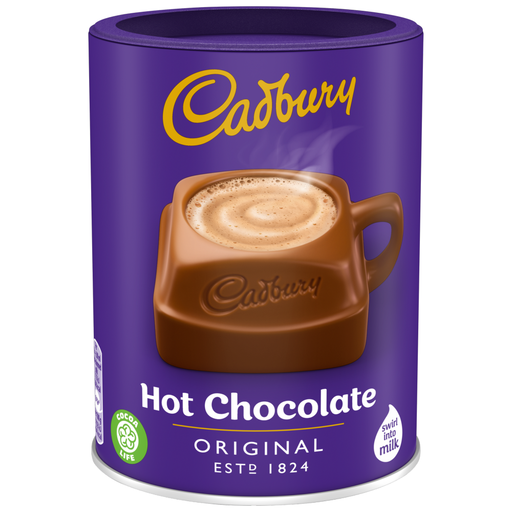 No image available
A smaller milk-prepared pack for the same type of cream-tea service. Confirm the recipe and portions on this 250 g pack rather than applying the yield of another Cadbury size; check its milk warning when serving guests with allergies.
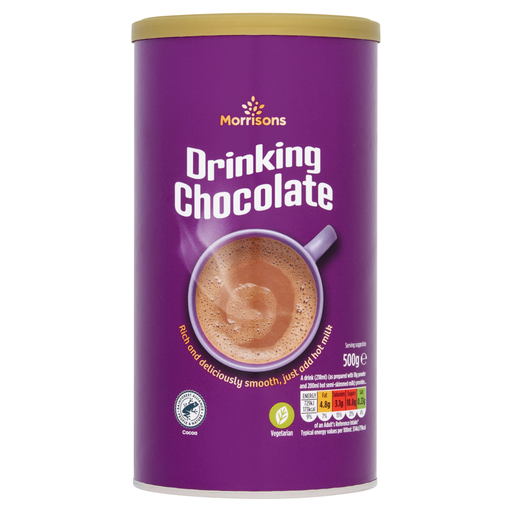 No image available
Another hot-milk option in a 500 g pack. Use its current serving instructions to calculate the powder and milk needed for four pints, and check the actual ingredients and allergen label before serving.
Four UK pints are approximately 2.27 litres, using Hampshire County Council’s stated 568 ml per pint. That is roughly 11–12 drinks when the product recipe uses 200 ml of liquid per drink; check your mug size and the powder dose on the chosen pack.
Choose according to the product’s recipe and what you can prepare for the group. Tesco Groceries specifies hot milk for its listed Galaxy, Cadbury and Tesco drinking chocolates, while its listed Options Belgian Chocolate uses hot water; check the ingredients separately from the preparation method.
Not necessarily. Water preparation describes what you add to the powder, not all the ingredients already in it. Read the ingredients and allergen statement on the exact pack before serving anyone with a milk allergy.
Yes. Use the actual pack’s recipe, ingredients and allergen statement for the drinks you serve, particularly when buying a different flavour or pack size from the one you first considered.