
24/7 Customer Support

Free returns

Same-day & Next-day Delivery

Quality Guaranteed

Unlock Your Welcome Offers: FREE Delivery | Up to 80% OFF | Free 30-day JoyPlus trial
Download the APP
As a dedicated crafter, you know that the right tools can transform a good project into a great one. When it comes to adding professional-looking borders and focal points to your cards and scrapbook pages, frame cutting dies are an essential part of your toolkit. However, the market is flooded with options, and it's easy to end up with a die that disappoints. Many crafters find themselves with tools that bend, tear paper or simply don't deliver the clean, crisp results they were promised.
Before you add another die to your collection, let's look at the common pitfalls that can lead to wasted money and crafting frustration. Understanding these issues is the first step to making a smarter purchase.
nested frame dies, accuracy is everything. A common flaw is inconsistent spacing between the different-sized dies in a set, making it impossible to achieve that perfect, evenly matted look.To ensure your next set of metal die cuts for card making is a valuable addition to your craft supplies, focus on a few core technical details rather than marketing hype.
The material is the single most important factor for longevity. Look for dies explicitly described as being made from 100% high-carbon steel. This material offers the right balance of hardness and flexibility, ensuring the die holds its shape and the cutting edge remains sharp over time. It provides the strength needed for repeated use without succumbing to the pressure of your machine, giving you clean cuts every time you craft.
Inspect the die's cutting edge. It should be a distinct, raised line that is visibly sharp and well-defined. This is what allows the die to slice cleanly through craft dies for paper rather than crushing the fibres. For intricate scrapbooking frame dies with lace or filigree patterns, a deep and precise etch is non-negotiable. It ensures that every tiny detail is cut cleanly and releases easily from the paper, preventing tears and saving you from the painstaking task of poking out stubborn pieces.
While most thin metal dies are designed to be compatible with the majority of personal die-cutting machines available in the UK, it's always a good practice to confirm. A versatile die should work just as well for cutting a window in a card front as it does for creating a DIY embossing stencil. By running the die through your machine with an embossing mat instead of a cutting plate, a well-made die can create a beautiful, textured impression on your paper, effectively giving you two tools in one.
To help you choose, we've matched some reliable options to different types of crafters, focusing on how they address the common pitfalls.
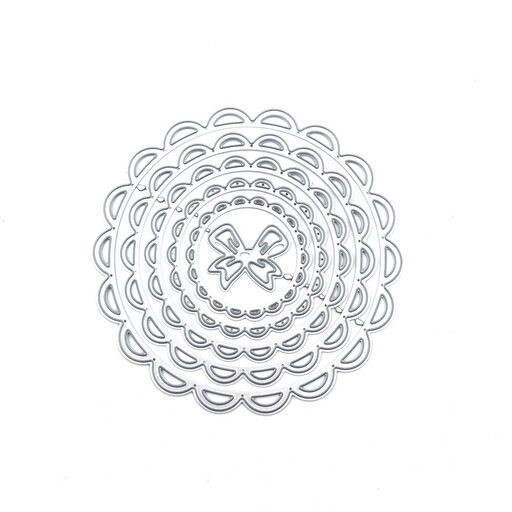
Why This Fits Their Persona: This crafter needs a reliable, all-purpose frame for birthdays, thank you notes and Christmas cards. This classic rectangular design is a versatile workhorse, perfect for framing sentiments or creating simple shaker windows without committing to a niche style.
Constructed from durable carbon steel, it resists the warping and bending that plagues flimsy dies, ensuring it's ready to use whenever inspiration strikes.
Its simple, timeless shape is highly adaptable for a wide range of card-making projects, from framing images to cutting apertures.
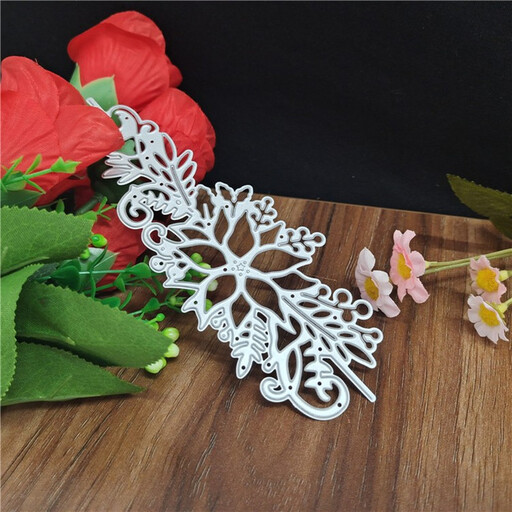
Why This Fits Their Persona: This crafter creates detailed scrapbook layouts and values ornate elements that serve as a centrepiece. This die provides an instant, elegant frame to highlight a special photo or journaling spot on a page.
The sharp, deeply etched design prevents the tearing and snagging common with low-quality intricate dies, ensuring a clean release even from delicate paper.
Produces a highly decorative, single-piece frame that adds immediate sophistication to scrapbook pages, journals or feature cards with minimal effort.
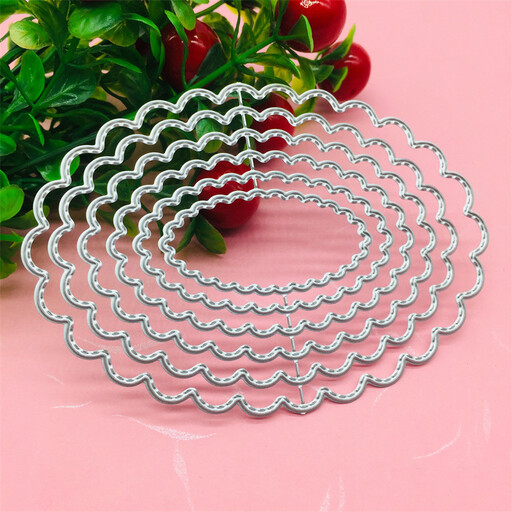
Why This Fits Their Persona: This user loves creating projects with depth and dimension. For them, nested frame dies are a must-have for building matted layers, decorative borders and shaker cards with precision.
This set is manufactured to ensure consistent spacing between each die, directly solving the "inaccurate nesting nightmare" and guaranteeing a professional, uniform layered effect.
Offers multiple coordinated sizes in a single package, providing excellent value and endless possibilities for creating custom-sized frames and apertures.
We have compiled a complete, real-time list of products that fully satisfy these strict selection criteria and UK safety regulations.
Tearing is a common issue, but it can often be solved. First, try placing a sheet of wax paper between your die and the cardstock. This acts as a lubricant and helps the paper release cleanly. If that doesn't work, you may need to adjust the pressure. Adding a thin piece of card (a "shim") to your machine's "sandwich" can increase the cutting pressure for a crisper result. Finally, ensure your cutting plates are flat, as warped plates can cause uneven pressure.
The frame cutting dies featured here are thin metal dies. They are chemically etched from a sheet of metal and are perfect for cutting intricate designs in paper, vellum and cardstock up to around 300gsm. Steel-rule dies are much thicker and heavier, with a sharp steel blade embedded in a foam base, similar to a cookie cutter. They are less detailed but can cut through much tougher materials like chipboard, leather and fabric. For papercraft, thin metal dies offer superior detail.
To protect your investment and keep your craft space organised, storing dies on magnetic sheets is a popular solution. These sheets can be placed in folders, binders or plastic storage boxes. This method keeps the dies flat (preventing bending), stops them from getting lost and allows you to see your entire collection at a glance, making it easy to find the perfect frame for your next project.