Gluten-free marathon trainees
A gluten-free claim helps with one restriction, not every allergy. Check the current pack separately for peanuts, tree nuts, milk and soya where those matter to you.


Start with the allergen you need to avoid and check the current pack; then choose a bar for when you plan to eat it. Trial a pre-run bar during training, while for a snack after intense or prolonged exercise, UK Sports Institute guidance advises combining carbohydrate and protein. TREK describes Original Oat as gluten-free and vegan, and nākd. describes Cocoa Delight as gluten- and dairy-free, but neither description establishes that a bar suits every nut, milk or soya restriction.
A gluten-free claim helps with one restriction, not every allergy. Check the current pack separately for peanuts, tree nuts, milk and soya where those matter to you.
If a meal will have to wait after an intense or prolonged run, compare carbohydrate and protein per bar rather than choosing on a protein claim alone. UK Sports Institute guidance advises a snack containing both, alongside fluids.
Check vegan or dairy-free wording alongside the ingredients and precautionary allergen statement. A fruit-and-nut bar and a protein flapjack can meet different snack needs, even when both fit a dietary preference.
Check the restriction that matters to you before comparing nutrition per bar. Then trial the bar at the point in training when you expect to use it.
| Priority | What to check | Your needs |
|---|---|---|
| Allergens | Read the current ingredients, declared allergens and any “may contain” statement. The Food Standards Agency explains that precautionary labelling signals possible unintended allergen presence. | I need the label to address my particular restriction; gluten-free or vegan wording alone does not settle a separate nut, milk or soya allergy. |
| Pre-run timing | Compare the amount you would eat, including its carbohydrate, fat and fibre per bar. Trial both the bar and its timing in ordinary training; the UK Sports Institute says pre-run eating tolerance varies. | Before a demanding run, I want to know whether I can comfortably eat this bar at my planned time, rather than trying it for the first time on the day. |
| Post-run snack | Compare carbohydrate and protein per serving, not just a front-of-pack protein claim. UK Sports Institute guidance advises carbohydrate and protein after intense or prolonged exercise. | If a meal is not immediately available after a long run, I want a portable snack that contributes both, with a meal to follow. |
| Nutrition panel | Compare sugars and energy per bar as well as per 100 g. Check the serving size and ingredients rather than treating “no added sugar” or “high fibre” as a description of the whole nutrition panel. | I want to compare what I would actually carry and eat, especially when the bars come in different sizes. |
The gluten-free bars discussed here can still contain peanuts, cashews, milk or soya, or carry relevant precautionary statements.
Start with the allergen you must avoid. Check the physical pack’s ingredients, declared allergens and “may contain” wording before buying and eating the bar.
Serving size, fat and fibre can affect how a bar fits your own pre-run routine. UK Sports Institute guidance describes finding a suitable eating time through trial and error.
Try a new bar on an ordinary training day, at the time you would plan to eat it before a longer or harder run.
Protein and carbohydrate amounts differ by product. The checked Nature Valley Protein Peanut & Chocolate bar provides about 10 g protein but 11 g carbohydrate per 40 g bar, according to the product assessment.
Compare both values per bar. If you use a bar while waiting for a meal after an intense or prolonged session, plan the meal as well.
“Protein”, “high fibre” and “no added sugar” describe different properties; none states the bar’s total sugars or its full per-serving nutrition.
Compare the serving-size panel and ingredients across the bars you are considering.
These examples describe specific products or brand guidance, not every bar made by each brand. Check the current pack for the variant you choose.
TREK describes its Original Oat protein flapjack as vegan and gluten-free, with 10 g protein per bar.
Nature Valley describes its Protein Peanut & Chocolate bar as gluten-free, with around 10 g protein per 40 g bar.
nākd. describes Cocoa Delight as vegan, gluten-free and dairy-free.
The assessed Peanuts, Almonds & Cocoa protein bar is labelled gluten-free and provides 8 g protein per 40 g bar.
The assessed Cocoa Vanilla & Protein Flapjack is an oat-based snack-bar example, but its allergen statement needs close attention.
Alpen is relevant to oat-based cereal-bar shoppers, but its range should not be assumed gluten-free.
These oat bars and protein flapjacks offer pack formats to consider for a training bag. Their names do not establish suitability for a particular allergy or dietary restriction: check the current product information and physical pack for each variant.
 No image available
A three-bar flapjack pack to compare for a training-bag snack. If you avoid soya, peanuts, nuts or milk, check this Salted Caramel variant’s current ingredients and precautionary statement rather than relying on information for another TREK flavour.
 No image available
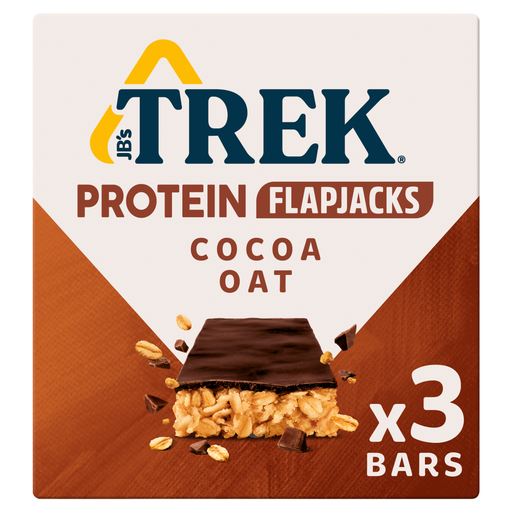
The 50 g bar size gives you a serving to compare with other flapjacks. For use before a run, trial the bar and timing in training; check this Cocoa Oat variant’s own label for your allergen restrictions.
 No image available
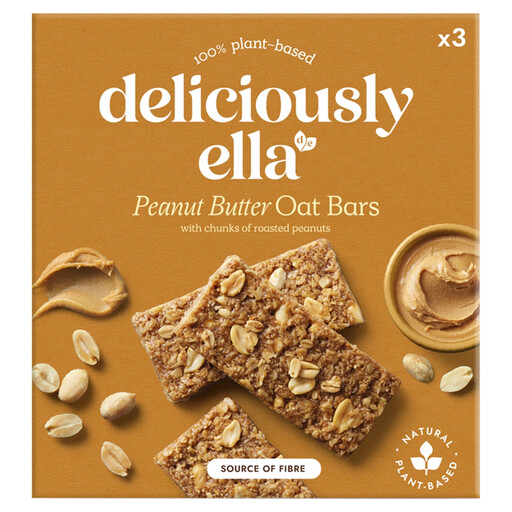
A peanut-butter oat-bar option for shoppers who can eat peanuts. Check the current pack for other declared allergens and precautionary statements, and compare its per-bar carbohydrate and protein with the snack you need.
 No image available
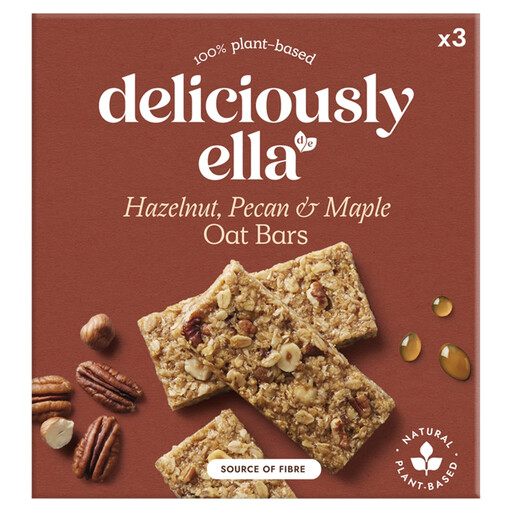
Hazelnut and pecan are part of this oat-bar variant, so it is not a choice for someone avoiding those nuts. Check the current pack for the complete allergen statement and the size of an individual bar before comparing servings.
 No image available
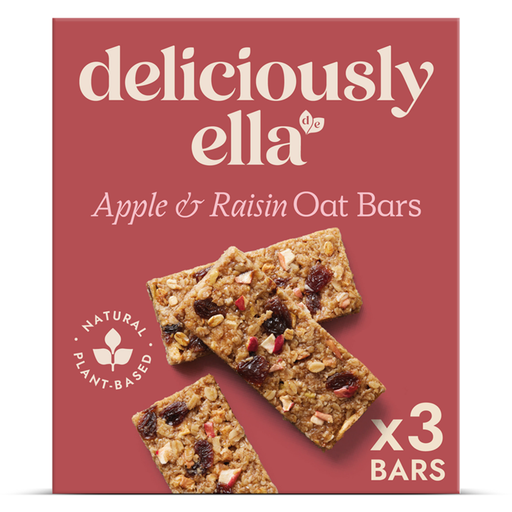
A fruit-and-oat bar to trial if you want a 50 g serving before a run. Read this variant’s current pack for milk, nut, peanut and soya precautions if any of those affect your choice.
No. The checked Nature Valley Protein Peanut & Chocolate bar is described as gluten-free but contains peanuts, soya and milk; nākd. Cocoa Delight is described as gluten- and dairy-free but contains cashews. Check the current pack against the exact allergen you need to avoid.
Try it during ordinary training before depending on it for an important run. UK Sports Institute guidance says pre-run eating tolerance varies and notes that many athletes eat one to three hours beforehand; use training to work out whether that timing and bar suit you.
Use a bar as a snack while waiting for a meal, not as an assumption that the meal is covered. UK Sports Institute guidance advises carbohydrate and protein after intense or prolonged exercise; compare both amounts per bar and plan what you will eat afterwards.
It signals possible unintended presence of an allergen, rather than listing an ingredient deliberately used in the recipe. The Food Standards Agency describes precautionary allergen labelling in those terms; check the statement for the allergen relevant to you and follow your individual allergy-management advice.