Who needs to check what?
The relevant free-from claim depends on the ingredient you need to avoid; pre-run timing is a separate decision.
Runners avoiding gluten
Look for an explicit gluten-free claim on the particular bar. Coeliac UK explains that foods labelled gluten free must contain no more than 20 parts per million of gluten; an oat-based appearance alone does not establish suitability.
Runners with a specific food allergy
Check the named allergen in both the ingredients and any “may contain” statement. A gluten-free bar can still contain peanuts, milk or soya, so a general free-from description is not enough to make this choice.
Runners choosing a portable pre-run snack
Compare carbohydrate and fat per bar alongside your planned eating time. The British Dietetic Association advises a low-fat, high-carbohydrate snack or light meal two to three hours before exercise; try the exact bar during training if you plan to eat it before an event.
What matters when choosing a bar?
Settle the allergen requirement first, then compare the nutrition panel for the portion you would actually eat before running.
| Priority | What to check | Your needs |
|---|
| Gluten-free status |
Look for a gluten-free claim on the specific bar, not just oats in its name. Coeliac UK states that the claim applies to foods containing no more than 20 parts per million of gluten. |
If I need to avoid gluten, I want a clearly labelled product rather than guessing from its cereal ingredients. |
| Other allergens |
Read the current ingredients and any “may contain” statement for the exact allergens you avoid. The Food Standards Agency describes precautionary allergen labelling as a warning about possible unintended presence. |
A gluten-free claim does not answer my question if I also need to avoid peanuts, nuts, milk or soya. |
| Pre-run portion |
Compare carbohydrate, fat and fibre per bar, rather than comparing packs of different sizes. For a snack two to three hours before exercise, the British Dietetic Association advises a low-fat, high-carbohydrate choice. |
When I plan to eat before a 5K, I want to know what one bar provides and whether I have tried it at that point in my running routine. |
Brand and product-line references
These references concern the named products or ranges, not every bar made by each brand; check the individual pack before using one for an allergen-restricted diet.
TREK
TREK describes its Original Oat flapjack as gluten free and states that it provides 10g of plant protein per bar.
- Original Oat offers a specifically labelled gluten-free flapjack option.
- TREK warns that Original Oat may contain peanuts, nuts and milk. Check the full declaration for any other allergen you avoid.
Nature Valley
Nature Valley UK lists its Protein Peanut & Chocolate and Protein Salted Caramel Nut bars as gluten free.
- The Protein Peanut & Chocolate product lists around 10g protein and 4g fibre per 40g bar.
- That product contains peanut, soy and milk and may contain tree nuts; its gluten-free claim does not cover those allergens.
Eat Natural
Eat Natural UK lists a range of gluten-free cereal bars.
- The range gives gluten-free shoppers more than one product to examine.
- Choose by the specific bar’s ingredients, allergen statement and per-bar nutrition rather than applying a range-wide assumption.
Graze
Graze Cocoa Vanilla Oat Boosts are an oat-flapjack reference for shoppers considering alternatives to a specifically labelled gluten-free bar.
- Sainsbury’s lists a warning that the product may contain other cereals containing gluten, as well as eggs, peanuts, tree nuts, milk, mustard and sesame. Do not treat it as a strict gluten-free option.
Kellogg's
Special K Red Berry Bar is a cereal-bar comparison for runners who do not need to avoid gluten.
- Kellogg’s UK declares barley, oats, milk, soy and wheat as allergens for this bar, so it does not meet a gluten-free requirement.
Alpen
Alpen is relevant when checking whether a familiar cereal-bar brand fits a strict gluten-free requirement.
- Alpen states that its products contain gluten from wheat, barley or oats. Do not assume an Alpen bar is gluten free.
Cereal bars on Joybuy
These oat bars and protein flapjacks are options to examine for a portable 5K snack. Check each specific pack’s gluten-free claim, allergen statement and per-bar nutrition before deciding whether it fits your requirements or pre-run timing.
 No image available
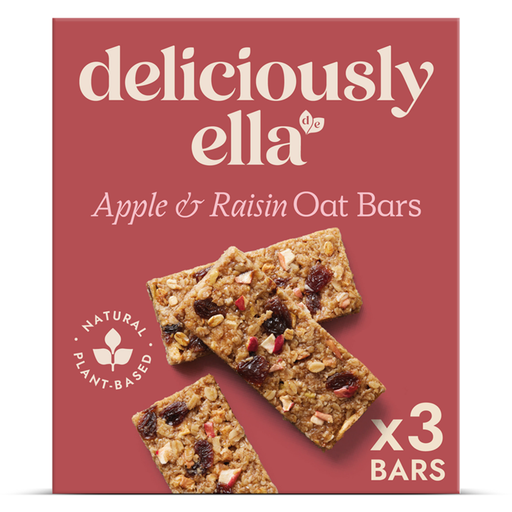
Deliciously Ella Apple, Raisin & Cinnamon Oat Bars, 3 x 50g
For a pre-run oat bar, compare the nutrition panel for one 50g bar with your planned snack. Check the pack’s gluten-free claim and allergen statement if either affects your choice.
 No image available
TREK Salted Caramel Protein Flapjacks, 3 x 50g
If you are considering a protein flapjack before a 5K, compare carbohydrate and fat for one 50g bar. Check this Salted Caramel variant’s own gluten-free and allergen declarations rather than applying those of another TREK flavour.
 No image available
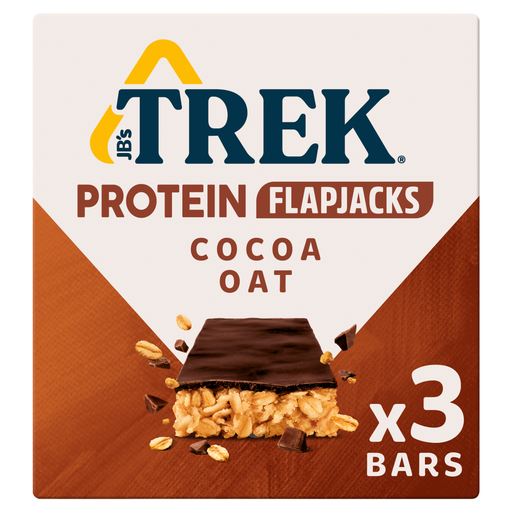
TREK Cocoa Oat Protein Flap Jacks, 3 x 50g
This cocoa-oat protein flapjack comes in a pack of three 50g bars. For gluten avoidance or a named allergy, check this variant’s current label; for pre-run use, compare its per-bar carbohydrate, fat and fibre.
 No image available
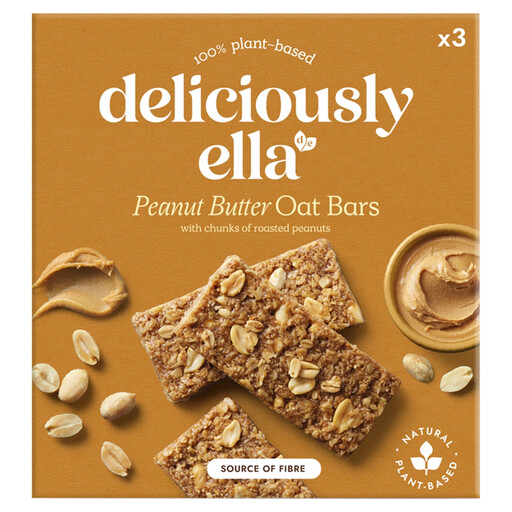
Deliciously Ella Peanut Butter Baked Oat Bars, 3 x 50g
Peanut Butter is a named part of this baked oat bar variant, so read its full ingredient and precautionary allergen statements if you avoid peanuts or other allergens. Compare the figures for one 50g bar before choosing it as a pre-run snack.
 No image available
Nature Valley Protein Peanut & Chocolate Bars, 4 x 40g
Nature Valley UK labels this Peanut & Chocolate product gluten free and lists around 10g protein and 4g fibre per 40g bar. It contains peanut, soy and milk and may contain tree nuts; check the pack and compare its carbohydrate and fat if you plan to eat it before running.
Questions about free-from bars and 5K runs
Does gluten free also mean free from nuts, milk and soya?
No. A gluten-free claim concerns gluten, not every allergen. Nature Valley UK says its Protein Peanut & Chocolate bar contains peanut, soy and milk and may contain tree nuts, so check the declaration for each allergen you avoid.
What does “gluten free” mean on a UK cereal bar?
Coeliac UK explains that a food labelled gluten free must contain no more than 20 parts per million of gluten. Do not assume an oat bar meets that requirement solely because it is made with oats; check the specific product’s label.
What should I compare when choosing a bar before a 5K?
Compare carbohydrate, fat and fibre for the actual bar, as well as its allergen declaration. The British Dietetic Association advises a low-fat, high-carbohydrate snack or light meal two to three hours before exercise; try your chosen bar and timing during training.
How should I read a “may contain” allergen warning?
It indicates that an allergen could be unintentionally present, rather than stating that it is an intentional ingredient. The Food Standards Agency describes this as precautionary allergen labelling; consider the named allergen against your individual avoidance requirements instead of treating its absence from the ingredient list as a guarantee.
Why check the pack if I have bought the same bar before?
The current pack identifies the ingredients and nutrition values of the bar you are buying. Check its allergen statement and per-bar panel rather than relying on an earlier pack or the details of a different flavour.


