Shoppers avoiding gluten
You want a portable bar after exercise and need an explicit gluten-free claim. You also need to check the other allergens on the exact pack: a gluten-free recipe can still contain nuts, milk or soya.


Choose a bar that meets the particular ingredient restriction first: gluten-free does not mean free from peanuts, other nuts, milk or soya. If you need a convenient snack after demanding or closely spaced training, compare carbohydrate and protein per whole bar as well as its allergens; after a shorter session, a specialist protein bar is not necessarily needed before your next meal.
You want a portable bar after exercise and need an explicit gluten-free claim. You also need to check the other allergens on the exact pack: a gluten-free recipe can still contain nuts, milk or soya.
You need to exclude an ingredient such as peanuts, tree nuts, milk or soya. The ingredients, highlighted allergens and precautionary wording matter more than a general free-from or protein claim.
You need something convenient after a demanding session or when another session follows soon. The British Dietetic Association advises carbohydrate-rich food and fluids when quick recovery is required; a bar does not replace the rest of your food and drink.
Start with the ingredient you must avoid, then judge the whole bar against your training and the time until your next meal.
| Priority | What to check | Your needs |
|---|---|---|
| Excluded ingredients | Check the exact pack’s free-from claim, ingredients, highlighted allergens and any “may contain” wording. A gluten-free claim addresses gluten, not every allergen. | I need to avoid a particular ingredient, so a gluten-free label alone does not settle whether this bar suits me. |
| Training context | Compare carbohydrate and protein per whole bar. The British Dietetic Association recommends carbohydrate-rich food and fluids promptly when quick recovery is needed; the British Heart Foundation says extra protein after exercise can be useful for sessions lasting longer than an hour. | If another demanding session is coming soon, I want a practical snack while I arrange a meal and fluids. After a shorter workout, I may not need a specialist bar. |
| Serving size | Read the stated bar weight and nutrition per bar, not just figures per 100 g. Compare carbohydrate, protein and sugars on the same serving basis. | A smaller cereal bar and a larger flapjack are different portions; I want to know what the bar I will actually eat provides. |
| Vegan suitability | Look for a claim on the exact recipe, then check ingredients and precautionary allergen wording separately. Vegan and gluten-free describe different requirements. | I avoid animal-derived ingredients, but I still need to assess any separate allergy requirement before choosing a bar. |
Nature Valley lists peanut, soya and milk in its Protein Peanut & Chocolate bar and says it may contain tree nuts. TREK says its gluten-free Original Oat bar may contain peanuts, nuts and milk. Neither gluten-free claim answers every allergy question.
Identify the ingredient you must avoid, then read the current pack’s ingredients, highlighted allergens and precautionary statement before comparing flavours or nutrition.
A protein figure does not show the bar’s carbohydrate content or portion size. Those details matter particularly when you need food soon after demanding or closely spaced exercise.
Compare carbohydrate and protein per whole bar, and consider when you will next eat and whether another training session follows.
Precautionary wording concerns possible unintended allergen presence. It is separate from the list of ingredients deliberately used in the recipe.
If you have a food allergy, follow your individual allergy-management advice and check the exact product’s current precautionary statement rather than relying on its name.
A portable bar may bridge the gap to a meal, but it does not account for fluids or everything else you eat after training.
When quick recovery is needed, plan food and fluids as well as any suitable bar; the British Dietetic Association specifically advises carbohydrate-rich food and fluids promptly in that situation.
These examples show why free-from suitability needs checking by recipe, not by brand name.
Nature Valley presents selected protein bars as gluten-free.
TREK labels its Original Oat protein bar vegan and gluten-free and states that it provides 10 g of plant protein per bar.
Its Peanuts, Almonds & Cocoa product is a nut-led protein-bar recipe, rather than an option for avoiding those named ingredients.
Graze offers oat-based snack and flapjack formats.
Alpen Fruit & Nut is a cereal-bar reference for shoppers comparing standard recipes with specific free-from needs.
The Rice Krispies Snack Bar is a standard snack-bar example, not a substitute for checking an allergen-specific claim.
These oat flapjacks, Nature Valley protein bars and fruit-and-oat bars offer different starting points for an after-training snack. Check each exact pack against your free-from requirement before comparing its nutrition per bar.
 No image available
A flapjack format to compare when you want a portable snack between exercise and a meal. The pack contains three 50 g bars; check the current ingredients, allergen wording and nutrition per bar for this flavour.
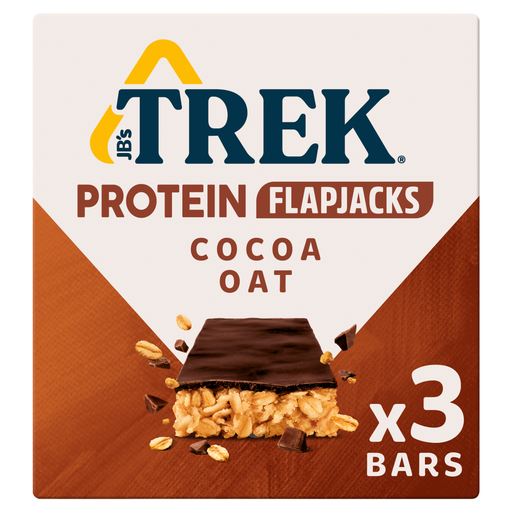 No image available
Another 50 g flapjack format for a snack after exercise. Assess this cocoa oat recipe on its own pack: a free-from claim or allergen statement for a different TREK flavour need not apply here.
 No image available
A nut-named protein bar to consider only after checking it against any nut or other allergen restriction. The pack contains four 40 g bars; use this flavour’s current label for its free-from claims, ingredients and nutrition.
 No image available
Nature Valley presents this recipe as gluten-free, and its product information lists peanut, soya and milk and says it may contain tree nuts. The pack contains eight 40 g bars; it is not an option for avoiding those listed ingredients.
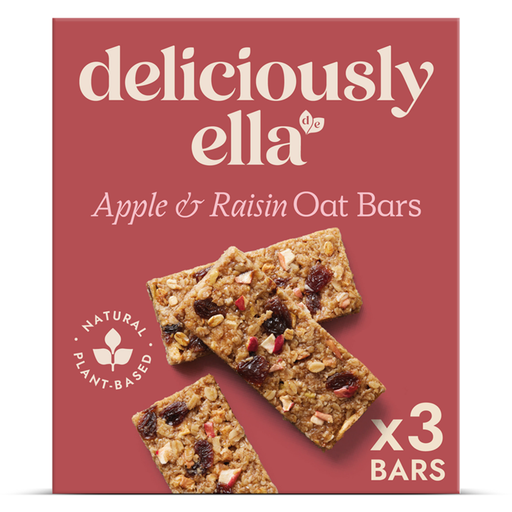 No image available
A fruit-and-oat bar to compare with the protein-labelled options if you want a snack before your next meal. The pack contains three 50 g bars; check this recipe’s current free-from claims, allergen wording and nutrition per bar.
No. The UK Food Standards Agency defines gluten-free as no more than 20 mg/kg of gluten in food sold to consumers; the claim does not rule out other allergens. For example, Nature Valley lists peanut, soya and milk in its gluten-free Protein Peanut & Chocolate bar.
Read the exact current pack’s ingredients, highlighted allergens and any precautionary statement before choosing it. Do not rely on a protein, vegan or gluten-free claim to answer a separate allergy question, and follow your individual allergy-management advice.
No specialist bar is necessary after every session. The British Heart Foundation says protein after exercise can be useful when a session lasts longer than an hour; when quick recovery is required, the British Dietetic Association also advises carbohydrate-rich food and fluids promptly.
Compare the stated weight and nutrition per whole bar, alongside the ingredients you need to avoid. A 50 g flapjack and a 40 g cereal bar are different portions, so a front-of-pack protein claim alone does not tell you what each snack provides.
A suitable bar can be a convenient snack before a meal, but you also need to account for fluids and the rest of your food. The British Dietetic Association advises carbohydrate-rich food and fluids as soon as possible when quick recovery is required.