Parents choosing gluten-free snacks
Look for a gluten-free claim on the particular bar, then check its current ingredients and allergen statement against the child’s needs. A claim on one product does not apply to every bar from the same brand.


Choose a cereal bar labelled gluten-free only if its full allergen statement also fits the child and the setting where it will be eaten. Gluten-free does not mean free from nuts, milk or soya; before packing a bar for school, check its current packaging and the school’s allergy arrangements.
The relevant label checks depend on the child’s dietary needs and where the snack will be eaten.
Look for a gluten-free claim on the particular bar, then check its current ingredients and allergen statement against the child’s needs. A claim on one product does not apply to every bar from the same brand.
A bar for school or a club needs to fit both the child’s requirements and the setting’s instructions. In England, the Department for Education says schools must publish an allergy safety policy covering arrangements for known allergens.
Check the vegan claim separately from the allergen statement. A vegan bar can still contain soya or nuts, or carry a precautionary statement about other allergens.
Start with the child’s dietary requirements and the school’s arrangements. Once those fit, compare the portion and nutrition information for the snack you intend to pack.
| Priority | What to check | Your needs |
|---|---|---|
| Gluten-free status | Look for a product-specific gluten-free claim. Read the current ingredients and allergen information rather than relying on oats, rice or the brand name. | I need a bar explicitly labelled gluten-free, not simply one that looks like an oat or rice bar. |
| Other allergens | Read both the ingredients and any “may contain” statement for the allergens relevant to the child. The Food Standards Agency says allergens present in UK prepacked food must be emphasised in the ingredients list. | A gluten-free label is not enough if the bar contains an ingredient the child must avoid, or has a relevant precautionary statement. |
| School arrangements | Check the individual school’s current allergy safety policy and any instructions for the child, classroom or trip. Individually wrapped packaging does not override those arrangements. | If I am packing the bar for school, I need to know whether its ingredients and precautionary statements fit that setting. |
| Vegan suitability | Check the vegan claim on the particular product, then read the allergen statement separately. Vegan status does not establish that a bar is gluten-free or suitable for someone avoiding soya or nuts. | I want a vegan snack, but I also need its other labels to meet the child’s separate requirements. |
| Portion and nutrition | Compare the weight of one bar and its per-serving nutrition panel; use per-100g figures when comparing products on the same basis. Keep front-of-pack protein, fruit and fibre wording in the context of the actual portion. | For an after-school snack, I want to compare what the child would eat in one bar, not just the claims on the front of the pack. |
Nature Valley says its Protein Salted Caramel Nut bar is gluten-free, but its product information also lists peanut, almond, milk and soya ingredients. A gluten-free claim answers only the gluten question.
Match the current ingredients and “may contain” statement to the child’s requirements before comparing flavour or nutrition.
A bar that fits a child’s needs at home may conflict with arrangements made for other pupils. The Department for Education says schools in England must publish an allergy safety policy, and its guidance includes food brought from home in allergy-safety planning.
Read the individual school’s policy and follow any classroom, trip or child-specific instructions before packing the bar.
Ingredients differ by product. Kellogg’s lists wheat and barley among the allergens in its Special K Red Berry Bar, while TREK labels its Original Oat bar gluten-free.
Check for a gluten-free claim on the exact bar and read its current ingredients and allergen information.
The bars discussed here come in different portion sizes, so a per-100g comparison alone does not show the nutrition in one bar.
Check the pack’s per-bar serving size and nutrition panel when deciding how it fits the child’s usual after-school snack.
Free-from claims and allergen statements belong to individual products, not automatically to every bar in a brand’s range.
Nature Valley identifies two Protein flavours—Peanut & Chocolate and Salted Caramel Nut—as gluten-free in its UK range.
TREK offers plant-based bars, including Original Oat, which it labels vegan and gluten-free.
Eat Natural’s range includes fruit-and-nut bars and product-specific gluten-free and vegan options.
Kellogg’s has cereal-based snack bars, but a familiar cereal name does not establish gluten-free suitability.
Alpen’s own coeliac-diet FAQ says its products contain gluten from wheat, barley or oats.
Graze is a packaged-snack brand with a range of ingredient combinations and flavours.
These options include oat, fruit-and-nut and protein bars for comparing after-school snack labels. Check each current pack for the free-from claims, allergens and school-policy fit you need.
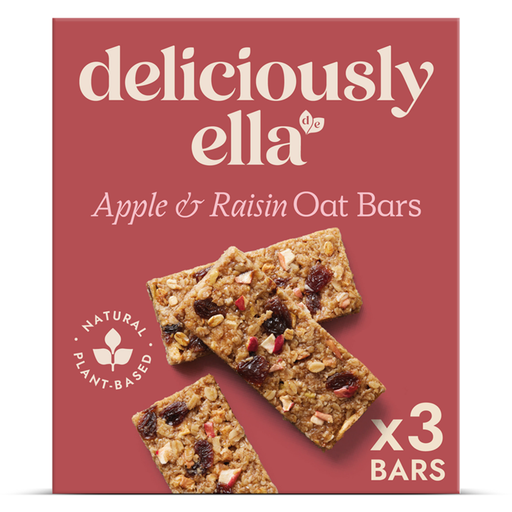 Image unavailable
An oat-bar option for an after-school snack. If choosing it for gluten-free or vegan needs, confirm those claims on the current pack and check its “may contain” statement for milk, nuts, peanuts and soya.
 Image unavailable
A 50g flapjack option to compare by portion. Check this Salted Caramel variant’s own gluten-free and vegan claims, and its soya and “may contain” information, rather than applying details from another TREK flavour.
 Image unavailable
Nature Valley identifies Peanut & Chocolate as a gluten-free Protein flavour. It is a peanut bar; check this pack’s complete allergen statement and the school’s arrangements before packing it.
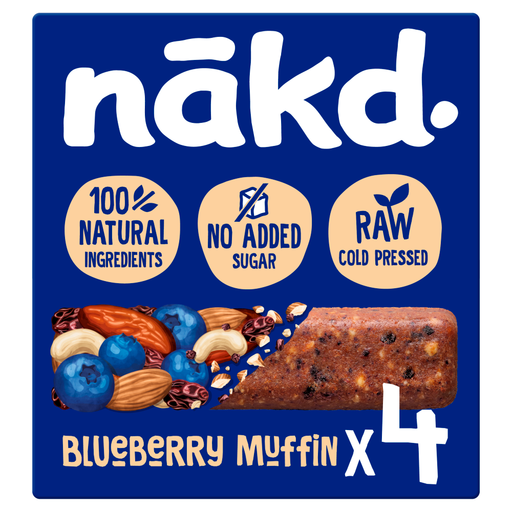 Image unavailable
A fruit-and-nut option in 35g bars. Because nuts are part of the product description, check the exact ingredients before considering it for a child with a nut allergy or a setting with nut restrictions; confirm any other free-from claims on the pack.
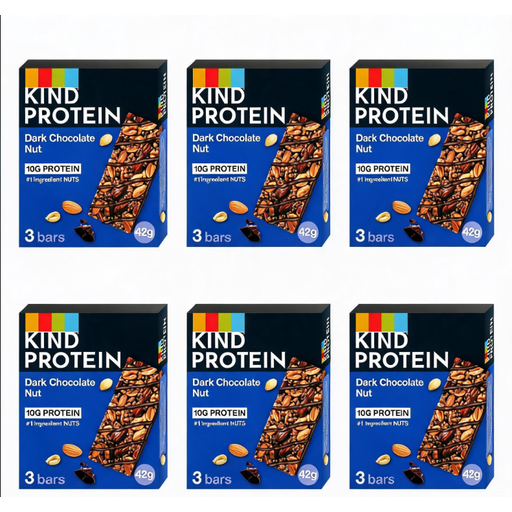 Image unavailable
A nut-bar option for settings where its ingredients are permitted. Check this variant’s gluten-free claim and full allergen statement on the current pack; its nut-bar name alone makes it a poor starting point where nuts must be avoided.
No. Gluten-free does not mean nut-free. Nature Valley’s gluten-free Protein Salted Caramel Nut bar, for example, contains peanut and almond. Check the bar’s current ingredients and precautionary statement alongside the individual school’s arrangements.
Do not assume one packing rule applies everywhere. In England, the Department for Education says schools must publish an allergy safety policy for known allergens; check the individual school’s current policy and any child-specific instructions before packing a bar.
Read the current pack’s ingredients and any “may contain” statement. The Food Standards Agency says allergens present in UK prepacked food must be emphasised in the ingredients list. Compare both parts of the label with the child’s requirements.
No. Look for a gluten-free claim on the specific bar and check its current ingredients and allergen information. TREK labels Original Oat gluten-free, while Kellogg’s lists wheat and barley allergens for its Special K Red Berry Bar.
Check allergy suitability and any school arrangements first. If several bars meet those requirements, compare their serving sizes and per-bar nutrition panels rather than treating a front-of-pack protein or fibre claim as a complete comparison.