Cyclists looking for a gluten-free bar
An oat-based recipe alone does not establish gluten-free suitability. Look for a claim on the exact product, then check its other ingredients and precautionary allergen statements against your needs.


Choose a ride snack by checking the exact bar’s ingredients, gluten-free claim and any may-contain statement against the ingredients you need to avoid. Then compare carbohydrate per bar with what you plan to carry and eat: a vegan or protein claim does not tell you either its allergen suitability or its carbohydrate contribution.
The useful label check depends on what you must avoid and how the bar fits into your ride-food plan.
An oat-based recipe alone does not establish gluten-free suitability. Look for a claim on the exact product, then check its other ingredients and precautionary allergen statements against your needs.
Read both the ingredient list and any may-contain statement for the flavour and pack you intend to buy. A bar can meet one dietary requirement while carrying a warning relevant to another.
Compare carbohydrate per bar, not just claims on the front of the pack. Work out how the portions you can carry and eat fit alongside your other food and drinks.
Start with ingredients and allergen warnings; once a bar meets those requirements, compare its stated carbohydrate per portion and the pack format you will carry.
| Priority | What to check | Your needs |
|---|---|---|
| Gluten and allergens | Check the exact bar’s gluten-free claim, emphasised allergens in the ingredients, and any may-contain statement. Recheck when changing flavour or pack format. | I need to avoid a particular ingredient or cross-contact risk, so an oat base or a familiar brand name is not enough to decide. |
| Carbohydrate per bar | Read carbohydrate per serving and the serving weight. Compare the number of bars you plan to carry with the rest of your ride food. | For a longer ride, I want to know what each bar contributes to my carbohydrate plan rather than choosing by a protein claim. |
| Vegan and plant-based claims | Check ingredients separately from precautionary warnings. TREK describes Original Oat as vegan and gluten-free, while its product information also identifies soya ingredients and a may-contain warning for peanuts, nuts and milk. | A vegan bar may suit the ingredients I choose to eat, but I still need to check it against any milk, nut, peanut or soya avoidance requirement. |
| Portion and ride use | Check the size of each bar, how many portions the pack contains and whether you have tried that exact product before a long event. Plan drinks separately. | I want food I can carry and fit into my planned stops and drinks, without relying on one unfamiliar bar for the whole ride. |
An oat-based description does not establish the gluten status of the finished bar.
If you require gluten-free food, look for that claim on the exact product and check the current pack when switching flavour or format.
Those claims do not tell you how much carbohydrate one bar contributes. British Cycling’s event-day advice discusses carbohydrate intake across the ride, rather than treating a single snack as the whole plan.
Read carbohydrate per portion, decide how many portions you expect to eat, and account for drinks and other food separately.
A dietary claim does not cancel a product-specific cross-contact warning. TREK’s Original Oat information, for example, describes the bar as vegan and gluten-free but says it may contain peanuts, nuts and milk.
Compare the full ingredient and precautionary allergen information with the particular ingredients you need to avoid.
Ingredients and warnings apply to the particular product, not automatically to every bar from the same brand.
Check the current label for the flavour, bar size and multipack you are buying.
These examples show why free-from claims need to be read alongside the rest of a specific product’s label; they do not establish the suitability of every bar from each brand.
TREK describes its Original Oat protein flapjack as vegan and gluten-free.
Eat Natural identifies its Peanuts, Almonds & Cocoa protein bar as gluten-free.
Graze Honey Oat and Cocoa Orange Oat Boosts are 30 g oat-flapjack portions described in UK grocery listings.
These oat and protein bar packs offer different flavours and portion formats to consider for a ride. Check each exact pack’s current ingredients, allergen warnings and carbohydrate per bar before choosing one for a free-from requirement or a fuelling plan.
 No image available
Three individually sized bars give you portions to account for when planning ride food. Soya is identified in the product selection information; check the exact pack for its full ingredients, gluten-free claim and any may-contain warning.
 No image available
The 50 g bar format lets you check carbohydrate against the portion you plan to eat on a ride. Soya is identified for this variant; read its own pack for the complete allergen and precautionary information rather than applying the Original Oat label to it.
 No image available
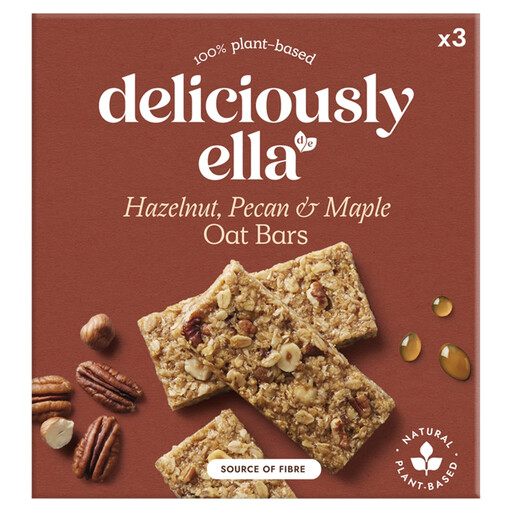
For a ride, check the number and size of bars inside this 150 g multipack before calculating carbohydrate per portion. The hazelnut and pecan flavour makes the exact ingredient list and may-contain statement particularly important if you avoid nuts.
 No image available
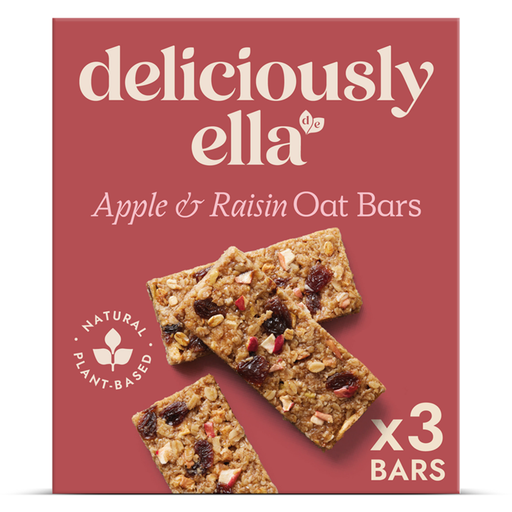
The pack contains three 50 g bars, so use the nutrition information for one bar when planning what to carry. Check this flavour’s gluten-free claim, ingredients and may-contain statement independently of other Deliciously Ella oat bars.
 No image available
This pack contains eight 40 g bars for portion-by-portion ride planning. Peanut appears in the product name; check the exact pack for all direct allergens, precautionary warnings, any gluten-free claim and carbohydrate per bar.
No. An oat-based name does not establish that the finished bar is gluten-free. If gluten avoidance matters to you, check for a gluten-free claim on the exact product and read its current label.
No. A vegan claim does not rule out a precautionary milk warning. TREK describes Original Oat as vegan, but its product information says it may contain milk; read both the ingredients and may-contain statement.
Work from the carbohydrate stated per bar and your plan for other food and drinks, rather than choosing a fixed number by pack size. British Cycling’s event-day guidance discusses steady carbohydrate intake during a sportive; the portions you carry also need to be ones you expect to eat.
No. A may-contain statement identifies a separate potential cross-contact concern. If you need to avoid that allergen, assess the warning on the exact bar rather than relying only on the ingredient list or a vegan or gluten-free claim.
Try the exact bar and a realistic portion on an ordinary ride first if you want to know how it fits your routine. Check its current allergen information before the event, and plan drinks and other food separately rather than relying on one new snack.