Gluten-free snack shoppers
If you need a gluten-free evening snack, look for a claim on the specific bar. Check milk, peanuts, other nuts and soya separately if any of those also matter to you.


Choose a cereal bar for a late-night supper by the specific ingredient you need to avoid: “free-from”, gluten-free and vegan describe different requirements. Check the exact bar’s ingredients and precautionary allergen statement first, then compare the portion you would eat and its nutrition values if you are choosing a regular snack.
The useful starting point is the ingredient or dietary requirement that makes one bar suitable and another unsuitable.
If you need a gluten-free evening snack, look for a claim on the specific bar. Check milk, peanuts, other nuts and soya separately if any of those also matter to you.
Check the exact product’s milk ingredients and lactose information. A bar that meets this requirement is not necessarily gluten-free or nut-free.
When buying for someone with a food allergy, check both the declared ingredients and any “may contain” statement for the relevant allergen on the current pack.
Settle the ingredient or allergen requirement before comparing flavours, bar sizes or nutrition panels.
| Priority | What to check | Your needs |
|---|---|---|
| Gluten-free identification | Look for a gluten-free claim on the exact product; do not infer it from oats or a cereal-bar name. The Food Standards Agency defines “gluten-free” as no more than 20 mg/kg of gluten in the food as sold. | I need the bar itself to be clearly identified as gluten-free. In Coeliac UK’s 2025 Shopping Habits survey, 74.7% of the 3,785 responding members said they trusted its Crossed Grain Trademark more than a gluten-free statement; that measures trust among those members, not all cereal-bar shoppers. |
| Other allergens | Read the ingredients for your specific allergen, then check any precautionary “may contain” statement. Repeat the check for the exact flavour and pack. | A gluten-free or vegan label alone does not answer whether I can have milk, peanuts, other nuts or soya. The Food Standards Agency explains that precautionary labelling communicates possible unintended allergen presence. |
| Milk or lactose | Check whether the product addresses milk ingredients, lactose or both, according to what you need to avoid. Check gluten separately rather than relying on an oat-based description. | If milk or lactose is my concern, I need the wording on this bar to match that requirement—not a general free-from impression. |
| Vegan ingredients | Confirm a vegan claim for the exact bar if avoiding animal-derived ingredients matters. Read the allergen and “may contain” information independently. | I may want a plant-based bar, but I still need to check any separate allergy requirement. |
| Portion and nutrition | Compare the bar or serving you would eat, then use per-100g figures when bar sizes differ. Check sugars, saturated fat and salt alongside the ingredient requirement. | For a regular late-night snack, I want to compare the amount I would actually eat, not just a front-of-pack description. |
A claim about one requirement does not settle another. For example, Joybuy’s listing for Nature Valley Protein Peanut & Chocolate declares peanuts, soya and milk as ingredients and says it may contain nuts.
Start with the ingredient you need to avoid, then read the exact bar’s ingredients and precautionary statement before buying and on the pack before eating.
An oat-based name does not establish that the finished bar meets the gluten-free labelling condition. The Food Standards Agency’s condition applies to the food as sold.
If you need to avoid gluten, look for an explicit gluten-free claim on the current product rather than relying on “oats” or “wholegrain”.
Bars and stated servings differ in size, so a per-100g comparison does not show what you would consume in your usual portion.
Check the per-bar or per-serving figures as well as per-100g sugars, saturated fat and salt.
An online description may not be the information printed on the pack you receive, which matters when an ingredient must be avoided.
Check the current label for the exact flavour and pack size before eating.
These examples show why free-from suitability belongs to a particular product, not an entire brand.
Its protein and crunchy oat bars address different ingredient requirements.
A plant-based range with individual bars that also carry gluten-free claims.
Its range includes gluten-free fruit-and-nut bars.
Its cereal snack bars illustrate why a familiar cereal name is not a free-from claim.
A snack range that includes oat-based formats.
A muesli-led brand for which product-specific nut information matters.
These Nature Valley protein bars and TREK flapjacks are options to examine if you are comparing cereal-bar formats for a late-night snack. Match each exact pack’s claims and allergen information to the ingredient you need to avoid.
 No image available
For a protein bar where gluten avoidance is a consideration, confirm the gluten-free claim on the current pack. Nature Valley states around 10g protein and 4g fibre per 40g bar; Joybuy’s listing declares peanuts, soya and milk and says it may contain nuts.
 No image available
If this flavour appeals, check its current gluten-free claim and its milk, nut and soya declarations against your requirements. The 4x40g pack contains four bars, so compare nutrition values for the portion you intend to eat.
 No image available
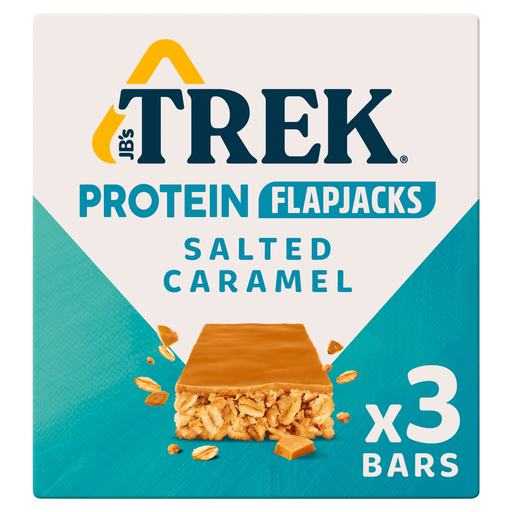
This oat-flapjack option comes as three 50g bars. If gluten-free or vegan status matters, confirm both claims for Salted Caramel rather than relying on information about another TREK flavour; check its soya and precautionary-allergen statements too.
No. A gluten-free claim addresses gluten, not every other ingredient or possible cross-contact. For example, Joybuy’s Nature Valley Protein Peanut & Chocolate listing declares peanuts, soya and milk and says the bar may contain nuts; check the allergens relevant to you on the current pack.
The Food Standards Agency defines “gluten-free” as no more than 20 mg/kg of gluten in the food as sold. Check that the claim appears on the specific bar you are choosing; an oat-based name alone does not establish it.
Choose it only if the specific product carries a gluten-free claim and meets any other ingredient requirements you have. TREK describes Original Oat as gluten-free, but that does not establish the status of every oat bar or every TREK flavour.
It is precautionary allergen labelling about possible unintended presence, rather than an ingredient deliberately added to the recipe, according to the Food Standards Agency. Check the named allergen against the one you need to avoid.
Check the current pack’s values for the bar or serving you would eat, then use per-100g values to compare different sizes. Look at sugars, saturated fat and salt as well as the ingredient or allergen information that determines whether the bar meets your requirement.