Shoppers avoiding gluten
Look for an explicit gluten-free claim, then check for oats if they matter to your requirement. The Food Standards Agency notes that oats may still be present in gluten-free food and must be identified separately.


Choose cereal bars for a weekly shop by the specific ingredient or allergen you need to avoid, not by a broad free-from, gluten-free or vegan description. Check each current pack’s ingredients and any “may contain” statement: a gluten-free oat bar can still contain oats, and bars sold as gluten-free or vegan can contain or carry warnings for other allergens.
Look for an explicit gluten-free claim, then check for oats if they matter to your requirement. The Food Standards Agency notes that oats may still be present in gluten-free food and must be identified separately.
Check each bar’s ingredients and precautionary statements. Gluten-free examples from TREK, Nature Valley and Eat Natural contain some of these ingredients or carry relevant “may contain” warnings.
Vegan labelling can help narrow a dietary choice, but it does not settle an allergy question. Check the individual pack for milk, nuts, peanuts and soya before buying for someone who avoids them.
Start with the ingredient you need to avoid, then compare the claim on the front of each pack with its ingredients and precautionary allergen statement.
| Priority | What to check | Your needs |
|---|---|---|
| Specific allergen | Read the current ingredients and highlighted allergens. Check any “may contain” statement separately for possible cross-contact. | I need a bar that fits a particular allergy requirement, not one described simply as free-from. |
| Gluten and oats | Look for an explicit gluten-free claim; check the ingredients for oats if oat avoidance also matters. The Food Standards Agency distinguishes gluten-free status from oat allergy. | A gluten-free label helps me narrow the choice, but I may also need to avoid oats or another ingredient. |
| Vegan and protein bars | Check protein ingredients, coatings and precautionary statements for peanuts, tree nuts, milk and soya. Vegan status does not replace an allergen check. | I’m choosing a plant-based or protein bar, and another ingredient in it may still matter to my household. |
| Repeat purchases | Recheck the current pack, including each flavour or variant in a multipack. Kellogg’s advises checking packs because recipes can change. | A familiar bar is convenient for the weekly basket, but I don’t want to rely on an older ingredient list. |
TREK Original Oat is labelled gluten-free but contains soya and carries precautionary statements for peanuts, nuts and milk.
Check the ingredients and “may contain” wording against the exact allergens you need to avoid.
A vegan bar can still carry a precautionary milk statement or include nuts. TREK Original Oat, for example, is vegan and says it may contain milk.
Use vegan labelling for the dietary choice, then assess allergens on the individual product label.
Eat Natural offers gluten-free bars, but its Almond & Apricot bar contains milk and almonds and may contain other nuts, peanuts and soya.
Compare the exact flavour and variant, including the contents of a multipack.
Ingredients and allergen information can change when a product is reformulated.
Read the current pack each time you buy, particularly if the packaging or flavour has changed.
These examples show why the exact bar matters more than a brand-wide free-from assumption.
Its Protein Peanut & Chocolate bar is a gluten-free example; that description does not apply to every Nature Valley bar or every allergen.
Alpen’s published allergy information is useful when checking its products, but it is not a free-from claim for an individual cereal bar.
Its snack-bar examples illustrate the need to read the label rather than infer allergen suitability from the format.
Graze describes oat flapjacks and says its snacks are vegetarian, with most vegan. Neither description establishes a particular bar’s allergen suitability.
Eat Natural has a gluten-free product range, making its individual bars worth checking when gluten is the named requirement.
TREK describes its bars as plant-based. Original Oat is labelled vegan and gluten-free.
These oat and protein-bar multipacks cover different weekly-shop preferences. Check each current pack against the specific ingredient or allergen you need to avoid.
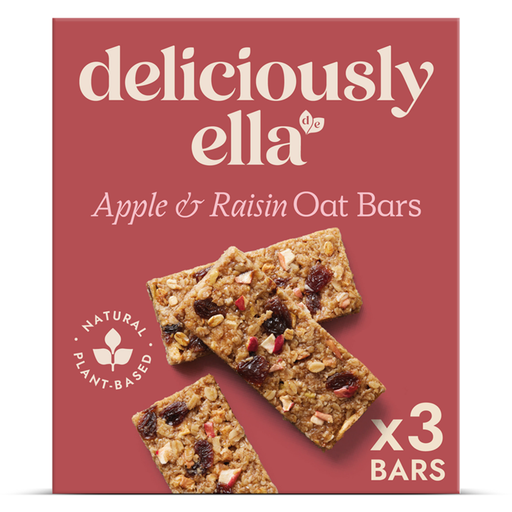 No image available
An oat-bar multipack to compare with your gluten and plant-based requirements. Check the current pack’s claims and ingredients; the product information also notes “may contain” warnings for milk, nuts, peanuts and soya.
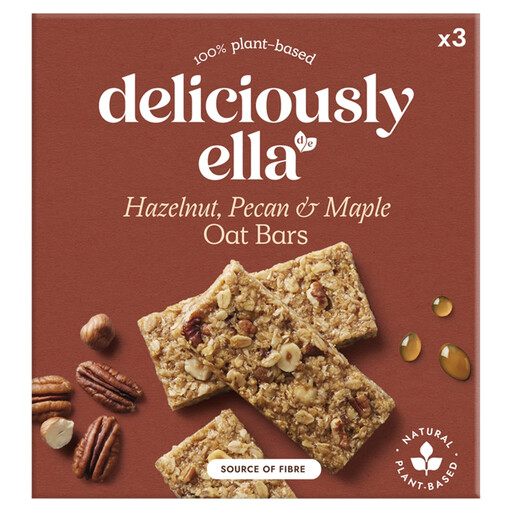 No image available
The named hazelnut and pecan ingredients make this a bar to exclude when those nuts must be avoided. For a gluten-free choice, confirm the claim on the current pack and check its full allergen and precautionary statements.
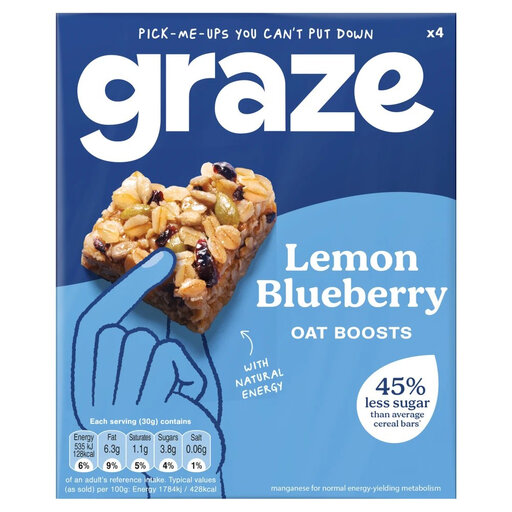 No image available
A four-pack of oat bars for shoppers comparing plant-based snacks. Check the individual pack if avoiding milk or other allergens; its product information notes precautionary statements for egg, milk, nuts, peanuts and sesame.
 No image available
Nature Valley labels this bar gluten-free and lists about 10 g protein and 4 g fibre per 40 g bar. It contains peanuts, soya and milk ingredients and may contain tree nuts, so check the current pack if any of those allergens matter.
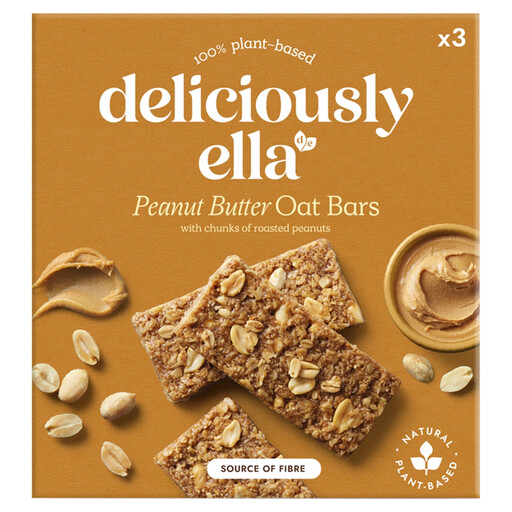 No image available
This peanut-butter oat-bar multipack is not a choice for someone avoiding peanuts. If gluten-free status or another allergen matters, check the current pack’s claim, ingredients and precautionary statement; its product information notes possible milk, nut and soya cross-contact.
No. The Food Standards Agency notes that a gluten-free food may still contain oats and that oats must be identified separately. Check the ingredients if you also need to avoid oats.
Not on the strength of its vegan label alone. Check the current ingredients and precautionary statement: TREK Original Oat is labelled vegan but states that it may contain milk.
No. The Food Standards Agency describes precautionary allergen labelling as a warning that an allergen could be unintentionally present, for example through cross-contact. Consider it separately from the ingredients against your specific allergy requirements.
Read the ingredients for the allergen you need to avoid, then check any precautionary statement. Food Standards Agency guidance for England, Northern Ireland and Wales identifies cereals containing gluten, milk, peanuts, soybeans and tree nuts among the regulated allergens.
Recipes and allergen information can change. Check the current pack and the exact flavour or variant rather than relying on a previous purchase; Kellogg’s also advises shoppers to check current pack information.