Guests avoiding gluten
Look for a current gluten-free claim on the exact bar. If it contains oats, check the rest of the ingredients and precautionary allergen statement too, particularly when the guest also avoids milk, nuts or soya.


Choose a picnic cereal bar by the current pack’s gluten-free claim and its full allergen information, not by its oats, vegan label or brand alone. TREK Original Oat and Nature Valley Protein Salted Caramel Nut are described by their makers as gluten-free, but their soya, milk and nut information matters if you are sharing food with someone who avoids those allergens. Keep each guest’s bar in its wrapper until you can check it against their requirements.
The person eating the bar determines which claims and allergen statements matter; a label that meets one requirement does not cover every guest’s needs.
Look for a current gluten-free claim on the exact bar. If it contains oats, check the rest of the ingredients and precautionary allergen statement too, particularly when the guest also avoids milk, nuts or soya.
Ask which specific ingredients the guest avoids before choosing a shared snack. A vegan or gluten-free claim does not replace a check for declared ingredients and any “may contain” statement on the pack.
Compare the stated portion size, protein and fibre figures if those details affect your choice. For example, TREK lists 10 g plant protein for its Original Oat bar, while Nature Valley lists approximately 10 g protein and 4 g fibre per 40 g Salted Caramel Nut bar; both still need an allergen check.
Start with the eater’s dietary requirement, then read the exact recipe and pack format. A brand range or product style is not a substitute for the individual bar’s label.
| Priority | What to check | Your needs and survey context |
|---|---|---|
| Gluten-free claim | Look for “gluten-free” on the current pack rather than assuming an oat bar qualifies. The Food Standards Agency states that food sold as gluten-free must contain no more than 20 mg/kg gluten as sold to the consumer; oats must still be identified as an allergen where used. | I need a clear claim on the bar the guest will actually eat. In Coeliac UK’s 2025 Shopping Habits survey, 74.7% of the 3,785 responding members said they trusted its Crossed Grain Trademark more than a gluten-free statement. That is a measure of trust among those respondents, not a requirement for every compliant bar. |
| Other allergens | Read the ingredients and any “may contain” statement for the guest’s specific allergens. TREK lists soya in Original Oat and warns that it may contain peanuts, nuts and milk; Nature Valley lists peanuts, almond, milk and soya in Protein Salted Caramel Nut. | When I’m buying for someone else, I need to know their exact restrictions before putting a bar in the picnic basket. Gluten-free alone cannot answer whether either of these bars suits a guest avoiding nuts, milk or soya. |
| Portion and format | Compare the number and size of bars in the pack, then confirm whether each portion has its own wrapper. Check the stated protein or fibre figure per bar if you want to compare those quantities; do not assume different bar formats have the same serving size. | I want portions that are straightforward to identify and hand to the right person at a picnic. Coeliac UK reported that 70% of respondents to its 2025 Shopping Habits survey of 3,785 members were dissatisfied with the quality of on-the-go gluten-free products; that figure does not describe all picnic shoppers or assess these particular bars. |
| Exact recipe | Check the flavour and current pack, even when another product from the brand is gluten-free. Nature Valley says its Crunchy Oats & Honey bars contain oat gluten; Kellogg’s lists barley malt extract and wheat gluten in its Rice Krispies Snack Bar. | A familiar name is convenient when shopping, but I need the particular bar to meet the guest’s requirements. I would not use a claim from a different flavour or range as the deciding evidence. |
A gluten-free bar can still contain ingredients a guest avoids. Nature Valley Protein Salted Caramel Nut contains peanuts, almond, milk and soya; TREK Original Oat contains soya and carries precautionary warnings for peanuts, nuts and milk.
Check the ingredient list and “may contain” wording against that person’s specific requirements before offering the bar.
Those descriptions answer different questions. The Graze Cocoa Orange Oat Boosts listing describes the flapjacks as vegan but warns that they may contain other cereals containing gluten.
Where gluten avoidance matters, look for an explicit gluten-free claim on the exact product, then check its other allergen information separately.
Kellogg’s lists barley malt extract and wheat gluten in its Rice Krispies Snack Bar. Alpen’s FAQ says its products contain gluten from wheat, barley or oats. Neither example should be treated as suitable for a gluten-free picnic on the strength of its brand name.
Read the current pack for the flavour you intend to serve, including any changed ingredients or precautionary wording.
These examples show why suitability is product-specific; a brand’s presence here does not mean every bar in its range meets the same dietary requirements.
TREK describes Original Oat as a gluten-free, vegan protein flapjack with 10 g plant protein per bar.
Nature Valley describes its Protein Salted Caramel Nut bar as gluten-free, with approximately 10 g protein and 4 g fibre per 40 g bar.
Eat Natural lists gluten-free bars across protein, vegan, fruit-and-nut and soft-fruit formats.
The Graze Cocoa Orange Oat Boosts listing describes a vegan oat-flapjack format.
Kellogg’s Rice Krispies Snack Bar is an example where the exact ingredient list rules out a gluten-free choice.
Alpen’s FAQ states that its products contain gluten from wheat, barley or oats.
These oat, fruit-and-nut and flapjack packs offer different formats to consider for a picnic. Check the current gluten-free claim, ingredients, precautionary statements and wrapping on the exact pack before choosing one for a guest.
 No image available
A three-bar flapjack pack to consider when planning picnic portions. If buying for gluten avoidance or an allergy, confirm the current pack’s claims and check its soya declaration and precautionary allergen wording.
 No image available
The 16 x 50g format is worth checking when buying portions for a group. Confirm the gluten-free and vegan claims on this exact pack, and read its soya and “may contain” information before sharing it with allergy-sensitive guests.
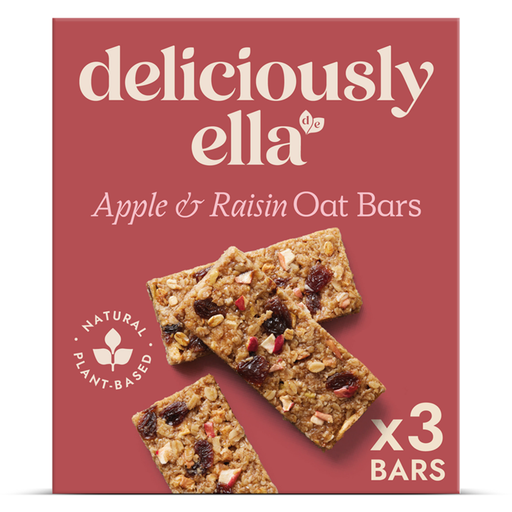 No image available
An apple-and-raisin oat-bar option in a three-bar pack. For a free-from picnic, check the exact pack’s dietary claims and precautionary statements rather than assuming an oat or fruit-based bar avoids a guest’s allergens.
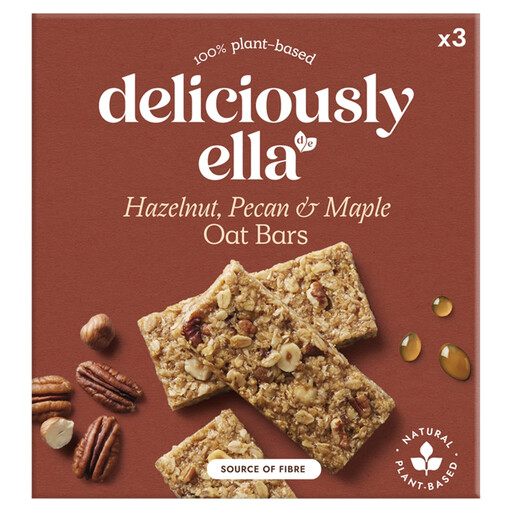 No image available
This 150g oat-bar multipack names hazelnut and pecan in the variety, so it is not a choice to make without checking a guest’s nut requirements. Read the current pack for its full ingredients, gluten-free claim and any further precautionary warnings.
 No image available
A fruit-and-nut bar format supplied as four 35g bars. Because this variety contains nuts, check which nuts are declared and read the current gluten-free, dairy-free and precautionary wording against the intended guest’s needs.
No. The Food Standards Agency states that food described as gluten-free must contain no more than 20 mg/kg gluten as sold to the consumer. The claim also does not mean the bar is free from other allergens: check its oats, milk, nuts, peanuts and soya information as relevant to the person eating it.
Not on the vegan claim alone. TREK describes Original Oat as both vegan and gluten-free, whereas the vegan Graze Cocoa Orange Oat Boosts listing warns that the product may contain other cereals containing gluten. Check the current pack for a gluten-free claim and its full allergen statement.
First check that guest’s specific allergens against each bar’s current ingredients and precautionary statement. Keep the wrappers available so the information stays with the right bar, and do not mix or share bars that declare an ingredient the guest needs to avoid.
Use it to compare possible products, then check the physical pack before serving, especially when an allergen or gluten-free claim determines the choice. Kellogg’s advises checking current pack ingredients, and a claim for one bar or flavour should not be assumed to apply to another.