What matters when choosing a bar?
Set the non-negotiable dietary requirement first. Then check the individual flavour, portion and storage instructions against the journey you have planned.
| Priority |
What to check |
Your needs |
| Gluten-free suitability |
Look for an explicit gluten-free label on the exact bar. Check oat-based products individually: Coeliac UK warns that standard oats can be contaminated with wheat, barley or rye. |
I need a bar suitable for a gluten-free diet, not simply one whose name mentions oats. |
| Declared allergens |
Read the ingredients for each flavour and check any “may contain” statement. The Food Standards Agency explains that precautionary allergen labelling communicates possible unintended allergen presence. |
Someone in the car must avoid a particular allergen, so I need to check that trigger before we share snacks. |
| Vegan and other claims |
Check vegan and lactose-free wording separately from gluten-free wording. Neither establishes suitability for every food allergy; use the exact product’s ingredients and allergen declaration. |
I want a plant-based snack, but I may also need to avoid gluten or a named allergen. |
| Portion and nutrition |
Compare protein and fibre on the same basis, such as per bar rather than mixing per-bar and per-100g figures. Check the number and size of bars in a multipack. |
For a long drive, I want to know what each wrapped portion contains before packing enough for the journey. |
| Storage in the car |
Follow the exact pack’s storage instructions and check whether it calls for a cool, dry place away from sunlight. Consider where snacks will be kept during stops and hot weather. |
The bars may spend hours in the car, so I need a place to keep them in line with their label instructions. |
Brand ranges to compare
These brand examples illustrate different dietary claims and ingredient checks; suitability depends on the individual bar, not the brand name alone.
Nature Valley
Its bars show why gluten-free and lactose-free claims need to be checked separately.
- Nature Valley UK gives approximately 10g protein and 4g fibre per 40g Protein Peanut & Chocolate bar.
- That protein bar contains peanuts, soya and milk and may contain tree nuts. Nature Valley says its Crunchy Oats & Honey bar contains oat gluten and is not suitable for a gluten-free diet.
TREK
A range to examine when a plant-based bar is required.
- TREK says all its bars are plant-based and describes its Protein Flapjacks as providing 9g plant-based protein.
- Check the exact flavour’s gluten and allergen information rather than treating the range-wide vegan claim as an allergy declaration.
Eat Natural
A range with gluten-free cereal bars and other dietary variants.
- Eat Natural UK identifies a gluten-free range and lists vegan, high-fibre and protein variants.
- Check the ingredients of the chosen fruit-and-nut flavour if peanuts or tree nuts must be avoided.
Graze
A range to compare for vegetarian snacks and individual vegan options.
- Graze says all its snacks are vegetarian and the majority are vegan.
- “Majority” does not cover every product. Check the exact bar for vegan status, gluten and relevant allergens.
Alpen
A useful comparison when an ordinary cereal bar is being considered for a gluten-free traveller.
- Alpen identifies the cereals relevant to its products’ gluten content.
- Alpen says its products contain gluten from wheat, barley or oats, so do not assume an Alpen bar fits a gluten-free requirement.
Kellogg's
Its Coco Pops Snack Bar is an example of why the ingredients matter more than a cereal-based name.
- Kellogg's UK provides an allergen declaration for the Coco Pops Snack Bar.
- That bar lists barley, milk, soya and wheat, with a warning about gluten from other cereals. Check other Kellogg's bars individually.
Cereal bars on Joybuy
These bars offer different flavours and pack formats for a road trip. For any free-from requirement, use the current pack to confirm the exact dietary claim, ingredients and precautionary allergen information before sharing.
 No image available
TREK Salted Caramel Protein Flapjacks, 3 × 50g
A three-bar flapjack pack to consider when planning separate portions for the journey. TREK describes its bars as plant-based; check this flavour’s gluten claim and allergen declaration on the current pack, particularly if soya must be avoided.
View on Joybuy
 No image available
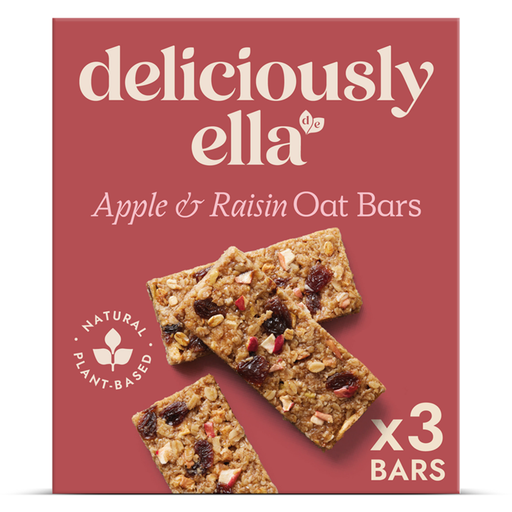
Deliciously Ella Apple, Raisin & Cinnamon Oat Bars, 3 × 50g
An apple, raisin and cinnamon oat-bar option in a three-bar pack. If you need a gluten-free or vegan bar, confirm both claims on this variety; check its “may contain” statement before offering it to anyone avoiding milk, nuts, peanuts or soya.
View on Joybuy
 No image available
Nature Valley Protein Peanut & Chocolate Bar, 4 × 40g
A gluten-free-labelled protein-bar option when peanuts, soya and milk are acceptable. Nature Valley UK gives approximately 10g protein and 4g fibre per 40g bar; Joybuy lists those three allergens and a “may contain nuts” warning. Check the current pack before sharing.
View on Joybuy
 No image available
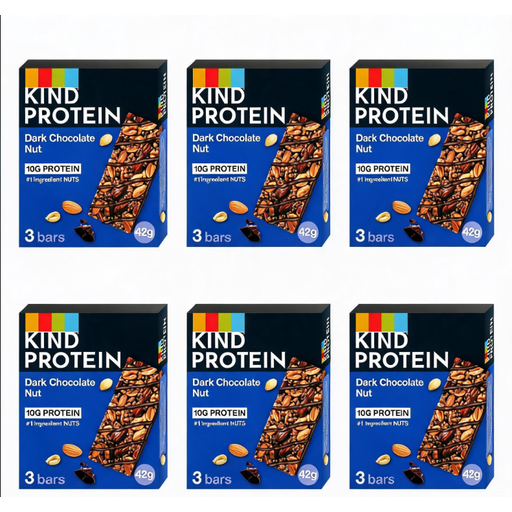
KIND Protein Dark Chocolate Nut Bars, 3 × 42g × 6pcs
A dark-chocolate nut-bar option where nuts are acceptable to everyone sharing snacks. Check the exact pack for its gluten claim and for peanuts, other nuts, soya, milk and any precautionary warnings before packing it for the group.
View on Joybuy
 No image available
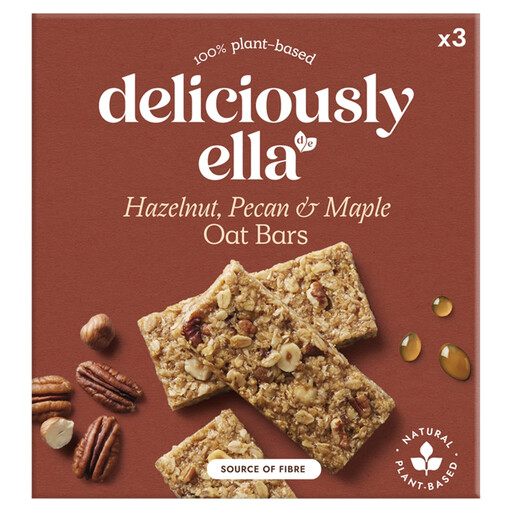
Deliciously Ella Hazelnut, Pecan & Maple Oat Bar Multipack, 150g
A hazelnut, pecan and maple oat-bar multipack for travellers who can eat the named nuts. Do not choose it for someone avoiding hazelnuts or pecans; confirm any gluten-free or vegan claim and check the full allergen statement on the current pack.
View on Joybuy
Frequently asked questions
Does vegan mean a cereal bar is gluten free or allergy-safe?
No. A vegan claim addresses animal-derived ingredients, not gluten or every allergen. TREK says its bars are plant-based, but you still need to check the chosen flavour’s gluten information, ingredients and precautionary statement.
Are ordinary oat bars suitable for someone with coeliac disease?
Not automatically. Coeliac UK warns that standard oats can be contaminated with wheat, barley or rye. If a gluten-free bar is required, choose one explicitly labelled gluten free rather than relying on “oats” in the name.
How do I check allergens before packing cereal bars?
Read the current pack’s ingredient list, highlighted allergens and any “may contain” statement for the exact flavour. Food Standards Scotland explains that regulated allergens used as ingredients in prepacked food are emphasised in the ingredient list; check the precautionary wording separately.
Can I ignore “may contain” if the allergen is absent from the ingredients?
No. The Food Standards Agency explains that precautionary allergen labelling communicates possible unintended presence of an allergen. If a passenger has a food allergy, assess that warning for their particular restriction rather than treating the ingredients list alone as a safety guarantee.
Where should cereal bars go during a car journey?
Follow the storage instructions on the bar you buy. For example, Joybuy’s Nature Valley Protein Peanut & Chocolate listing says to store it in a cool, dry place away from direct sunlight; plan where to keep the pack if the car will be hot or parked in the sun.


