Families choosing a gluten-free snack
Look for a gluten-free statement on the specific bar, then check oats and any other ingredients or precautionary warnings relevant to the child. Gluten-free does not mean free from every allergen.


Choose a cereal bar by the particular ingredient or allergen the child needs to avoid, rather than relying on a broad gluten-free or vegan claim. A gluten-free bar can still contain nuts, milk or soya; check the current pack against the child's requirements and ask the holiday activity organiser about its food policy before packing one.
The relevant free-from claim depends on the child's requirements and where the snack will be eaten.
Look for a gluten-free statement on the specific bar, then check oats and any other ingredients or precautionary warnings relevant to the child. Gluten-free does not mean free from every allergen.
Check for that allergen in the ingredients and in any 'may contain' statement. A vegan, protein or gluten-free description does not establish suitability for a peanut, tree-nut, milk or soya allergy.
Check the organiser's current food arrangements as well as the bar's label. A snack that meets one child's needs may still conflict with a particular setting's policy on bringing allergens onto the site.
Start with the ingredient that must be avoided, then check the complete pack and the arrangements for the place where the bar will be eaten.
| Priority | What to check | Your needs |
|---|---|---|
| Specific allergens | Read the ingredients, highlighted allergens and any 'may contain' statement on the exact bar. Check each allergen the child needs to avoid, not just the claim on the front. | I need to know whether this particular recipe contains, or may contain, an allergen relevant to the child. |
| Gluten and oats | Look for a gluten-free statement if gluten avoidance is required; check oats separately. The Food Standards Agency says UK gluten-free labelling permits no more than 20 mg/kg of gluten in the food as sold, and oats must still be identified as an allergen. | A gluten-free bar might meet the gluten requirement, but I also need to check whether oats or another listed allergen matter for this child. |
| Activity rules | Ask the named organiser about its current packed-food or allergy arrangements before sending a bar containing, or carrying a warning for, a relevant allergen. | Before packing a snack for a club or school-based activity, I want to know what that setting asks families to bring. |
| Current recipe | Check the physical pack on each purchase, including the ingredients and precautionary statements. Assess flavours and product lines separately rather than assuming a familiar brand uses the same recipe throughout. | Even if this bar has worked before, I need its current label to meet the same requirements. |
Nature Valley says its gluten-free Protein Salted Caramel Nut bar contains peanuts, almonds, milk and soya. TREK describes Original Oat as gluten-free, but its allergen information also lists soya and a precautionary warning for peanuts, nuts and milk.
Identify every allergen the child must avoid, then read the full declaration on the exact pack.
Vegan describes the recipe; it does not rule out a precautionary milk warning. TREK's vegan Original Oat bar, for example, carries a 'may contain milk' statement.
Check the current allergen declaration against the child's individual allergy plan rather than relying on vegan wording alone.
A holiday activity may have arrangements concerning food brought onto the site. England's Department for Education guidance notes that settings may discourage particular allergens, such as nuts; it does not establish a universal rule for every holiday club.
Ask the organiser about its policy before choosing a bar containing peanuts or tree nuts.
A familiar wrapper or brand name is not a substitute for the current ingredient list. Kellogg's advises shoppers to check its packs because recipes can change.
Read the pack at each purchase, and keep the labelled wrapper with the snack if the organiser needs to identify its ingredients.
These examples show why a claim on one bar should not be extended to every product from the same brand.
TREK offers plant-based bars and flapjacks, including its gluten-free Original Oat bar.
Its Protein Salted Caramel Nut and Crunchy Variety bars have different gluten and allergen declarations.
Eat Natural lists a gluten-free range spanning several cereal-bar formats.
Its Special K Red Berry Bar illustrates why conventional cereal bars need a product-specific label check.
Alpen bars need checking individually when wheat or gluten avoidance is required.
Graze offers oat-flapjack snack formats, including its Oat Boost range.
These oat bars and flapjacks are options to assess for school holiday snacks. Check each current pack for the child's required exclusions and any rules set by the activity organiser.
 No image available
If choosing an oat flapjack for a gluten requirement, confirm the gluten-free wording on this pack. This three-bar pack contains soya, so it does not meet a soya-avoidance requirement; check its full declaration for other allergens.
 No image available
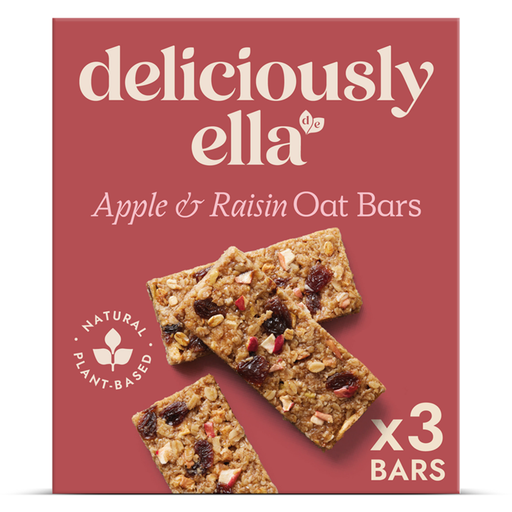
For a gluten-free or vegan snack requirement, check both claims on the current pack of these oat bars. The product information flags precautionary warnings for milk, nuts, peanuts and soya; assess them against the child's requirements before packing a bar.
 No image available
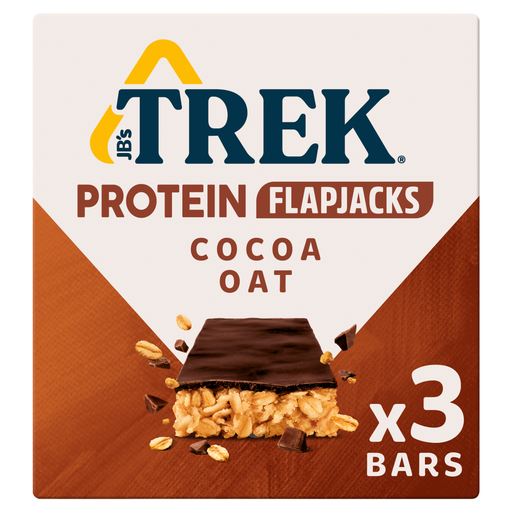
Check the gluten-free statement on the current pack if considering these oat flapjacks for gluten avoidance. The three-bar pack contains soya, so it does not meet a soya-avoidance requirement; read the pack for any other relevant warnings.
 No image available
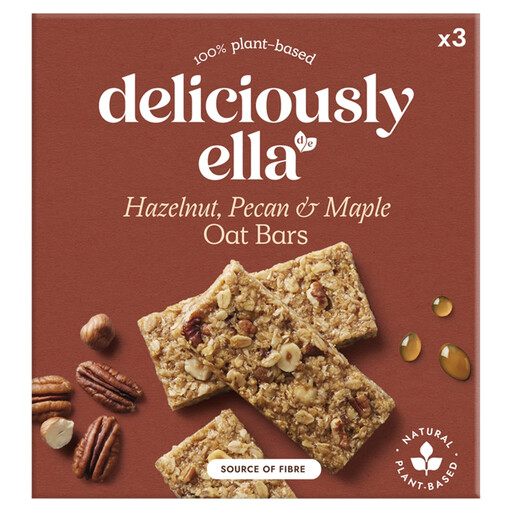
This 150g oat-bar multipack contains tree nuts, including hazelnuts and pecans, so it does not meet a tree-nut-avoidance requirement. Check the current pack for its gluten-free statement and other allergen warnings, and ask the activity organiser about its nut policy before packing it.
 No image available
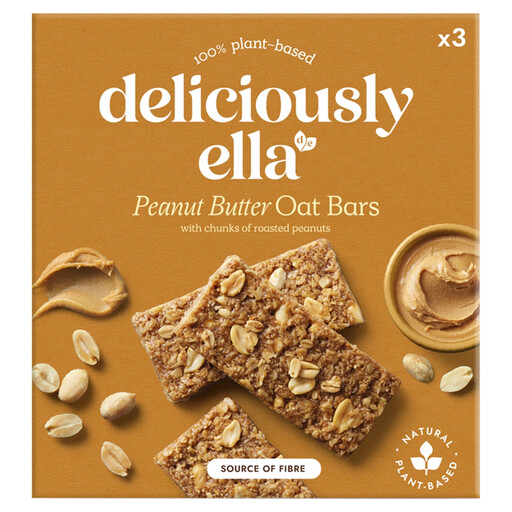
These peanut butter oat bars contain peanuts, so they do not meet a peanut-avoidance requirement. If considering the three-bar pack for gluten avoidance, check its current gluten-free statement; also check other allergen warnings and the activity organiser's peanut policy.
No. The Food Standards Agency says a food labelled gluten-free in the UK must contain no more than 20 mg/kg of gluten as sold; the claim does not address nuts, milk, soya or other allergens. TREK's gluten-free Original Oat bar, for example, contains soya and may contain peanuts, nuts and milk.
Check the current allergen statement before choosing it. A vegan recipe does not rule out a precautionary milk warning: TREK describes Original Oat as vegan, but says it may contain milk. Assess that warning against the child's individual allergy plan.
No. The Food Standards Agency says a bar made with oats can carry a gluten-free label when it meets the applicable gluten limit, but oats must still be identified as an allergen. Check the bar's own gluten-free statement and whether oats meet the child's requirements.
Ask the named organiser before packing it. England's Department for Education guidance says schools must publish an allergy safety policy and notes that settings may discourage allergens such as nuts from being brought on site. Those statements do not establish one rule for every UK holiday activity; follow the relevant setting's arrangements and the child's needs.
The current pack is the relevant check because recipes can change. Kellogg's advises checking pack ingredients and nutrition declarations rather than relying on earlier product information; check the allergen declaration each time you buy a familiar bar.