Families managing a gluten requirement
Look for an explicit gluten-free claim on the exact bar. Check oats and the remaining allergen information separately, particularly if the child has more than one restriction.


Choose a cereal bar for the child’s specific requirements and the school’s packed-lunch policy, rather than relying on a broad gluten-free or vegan claim. A gluten-free bar can still contain nuts, milk or soya; check the current ingredients and allergen statement for the exact flavour before packing it.
The relevant free-from claim depends on the child and the school. A label that answers one question, such as whether a bar is gluten-free, does not settle the others.
Look for an explicit gluten-free claim on the exact bar. Check oats and the remaining allergen information separately, particularly if the child has more than one restriction.
Check the school’s packed-lunch policy before choosing a flavour. A vegan or gluten-free fruit-and-nut bar may still conflict with that policy.
Once the bar fits the school’s rules, compare the portion and nutrition panel for the snack being packed. Familiar cereal-bar ranges differ in their ingredients, so check the individual pack rather than the brand name alone.
Start with the child’s allergens and the school’s policy. Then compare flavours, portions and nutrition information among bars that meet those requirements.
| Priority | What to check | Your needs |
|---|---|---|
| Allergen information | Read the current ingredients and allergen statement for the exact flavour and pack. Check named ingredients and any precautionary statements separately. | I need to know whether this particular bar fits the child’s allergen requirements, not just whether its front-of-pack claim sounds suitable. |
| Gluten-free status | Look for an explicit gluten-free claim; do not infer one from oats or the absence of wheat in a product name. The Food Standards Agency defines gluten-free as no more than 20 mg/kg of gluten in food as sold. | If gluten avoidance matters, I need that claim on the bar I am buying. I still need to check oats and any other allergens relevant to the child. |
| School policy | Check the school’s packed-lunch and allergy rules, including how it treats nut ingredients and precautionary statements. Department for Education guidance says schools in England must publish an allergy safety policy; it does not establish one packed-lunch rule for every school. | A bar might meet the child’s dietary requirements but still conflict with the school’s arrangements. I need to check both before sending it in. |
| Portion and nutrition | Compare the stated portion with the nutrition panel per bar or per serving. Use the same basis when comparing fibre, protein and sugar across different pack sizes. | Once the allergen and school checks are settled, I want to compare what the child would actually take in their lunch, rather than relying only on a per 100g figure. |
Nature Valley Protein Peanut & Chocolate is described as gluten-free, but Nature Valley UK lists peanuts, soya and milk and says it may contain tree nuts.
Use the gluten-free claim to assess gluten only. Compare the full allergen statement with the child’s requirements and the school’s policy.
Neither claim establishes that a bar meets a nut restriction. Eat Natural’s gluten-free range includes nut-based options, while the TREK Protein Flapjack variety pack listed by Ocado includes a Peanut Butter flavour.
Check each flavour in a multipack and follow the school’s rules on nut ingredients and precautionary statements.
Nature Valley UK describes its Protein Peanut & Chocolate bar as gluten-free but says its Crunchy + Fibre bars contain gluten and may contain wheat gluten.
Read the label of the individual bar, especially when changing flavour or range.
A nutrition figure per 100g does not describe the amount in every bar when portions differ.
After confirming suitability, compare the nutrition panels on the same basis and note the portion that will go into the lunchbox.
These are starting points for checking particular ranges, not assurances about every bar sold under a brand name or its suitability for a school lunch.
Its Protein Peanut & Chocolate and Crunchy + Fibre bars illustrate why the exact range matters.
TREK offers protein-flapjack formats; the exact flavour and pack need their own allergen check.
Eat Natural publishes a gluten-free range of cereal bars and related products.
Graze Oat Boost flapjacks are another format to assess by flavour rather than by range name.
Alpen Light Chocolate & Fudge is a cereal-bar option to consider only where its ingredients fit the child’s needs.
The Coco Pops Snack Bar is a familiar cereal-bar format, but its ingredients still require checking.
These Joybuy bars offer different protein-flapjack, cereal-bar and fruit-and-nut formats to check for a packed lunch. Assess each exact pack against the child’s requirements and school policy; a product name or range description is not a substitute for its current allergen label.
 No image available
For a packed lunch needing a flapjack format, check this flavour’s current gluten and allergen information before choosing it. The listed pack contains three 50g flapjacks; check its label for soya and any nut-related statement against the school’s policy.
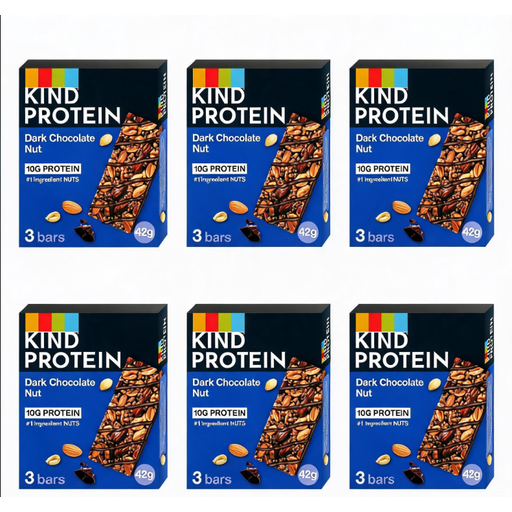 No image available
These nut bars warrant a school-policy check before they are considered for a packed lunch. The product name specifies a 3 x 42g x 6pcs pack; check the exact wrapper for its gluten claim, named nut ingredients and other allergen statements.
 No image available
This is a gluten-free route to consider only if its other allergens and the school’s policy permit it. The pack contains eight 40g bars; Nature Valley UK lists peanuts, soya and milk and says the bar may contain tree nuts. Confirm those statements on the pack being sent to school.
 No image available
This Cocoa Oat flapjack comes in a pack of sixteen 50g bars. If considering it for a gluten-free lunch, confirm the claim on this flavour’s current wrapper and check its soya, milk, peanut and nut statements against the child’s needs and the school’s policy.
 No image available
The fruit-and-nut format makes the school’s nut policy an early check for this bar. The listed pack contains four 35g bars; read the exact wrapper for named nuts, precautionary statements and any free-from claims before packing one.
No. The Food Standards Agency’s gluten-free threshold concerns gluten in the food as sold, not every other allergen. Nature Valley UK describes its Protein Peanut & Chocolate bar as gluten-free but lists peanuts, soya and milk and a tree-nut precaution. Check both the child’s requirements and the school’s policy.
Check that school’s own packed-lunch and allergy policy rather than assuming its rules. Department for Education guidance requires schools in England to publish an allergy safety policy; the ingredients permitted in a particular packed lunch need a school-specific check.
No. Look for an explicit gluten-free claim on the exact bar. Nature Valley UK says its Crunchy + Fibre bars contain gluten and may contain wheat gluten, despite being an oat-based range.
No. A precautionary statement is different from a named nut ingredient, but it can still matter for the child’s allergy arrangements or the school’s policy. Check the current wrapper and follow the requirements that apply to that child and school.