Shoppers avoiding gluten
Start with gluten-free labelling on the exact bar, particularly when choosing an oat-based flapjack. Coeliac UK cautions that standard oats can be contaminated during production alongside wheat, barley and rye.


Choose a morning tea-break bar by the exact ingredient or allergen you need to avoid, rather than treating “free from” as a blanket claim. If you need to avoid gluten, check the specific bar for gluten-free labelling; then read its ingredients and any “may contain” statement for other allergens. A bar described as gluten free can still contain peanut, milk or soya.
Start with gluten-free labelling on the exact bar, particularly when choosing an oat-based flapjack. Coeliac UK cautions that standard oats can be contaminated during production alongside wheat, barley and rye.
Check every ingredient and precautionary allergen statement against your avoid-list. The Nature Valley Protein Peanut & Chocolate bar contains peanut, soya and milk and may contain tree nuts, according to Nature Valley UK; its gluten-free positioning would not address those other allergens.
Choose a portion that suits the break, then compare the nutrition declaration per bar and per 100 g. Names such as “protein” and “wholegrain” do not tell you everything about a bar’s ingredients or serving size.
Start with the exclusion that matters to you, check the exact flavour’s label, and only then compare portions and nutrition.
| Priority | What to check | Your needs |
|---|---|---|
| Gluten | Look for gluten-free labelling on the exact product. Read the ingredients for cereals including wheat, barley, rye and oats; do not assume an ordinary oat bar is gluten free. | I need a bar that meets my gluten-avoidance requirement, not one that merely looks oat-based or has another dietary claim. |
| Other allergens | Check the full ingredients list and any “may contain” wording for each allergen you avoid. A gluten-free claim does not establish that a bar is free from peanut, tree nuts, milk or soya. | Gluten is not my only concern; I need the particular flavour and pack to match my full avoid-list. |
| Portion and nutrition | Note the bar’s weight and the declared energy, sugars, protein and fibre per serving. Use the per 100 g values when comparing bars of different sizes. | For a morning break, I want to know what one bar provides rather than relying on a “protein” or “wholegrain” name. |
Coeliac UK warns that standard oats can be contaminated alongside wheat, barley and rye. Conventional cereal bars can also contain gluten-containing cereal ingredients: Kellogg’s lists wholewheat and wheat flour in Nutri-Grain Apple.
When avoiding gluten, check for gluten-free labelling on the exact bar and read its current ingredients.
Nature Valley UK lists peanut, soya and milk in Protein Peanut & Chocolate and says it may contain tree nuts. Other ingredients and precautionary statements still matter when gluten is not your only concern.
Write down the allergens you avoid and check both deliberate ingredients and “may contain” wording against that list.
An earlier purchase does not establish what is on the pack in front of you. Kellogg’s advises shoppers to check pack ingredients and nutrition information because recipes can change.
Use an online listing to narrow your choices, then read the current pack before eating the bar or offering it to someone else.
A protein claim alone does not describe the bar’s portion or its other declared nutrition values. Different bar weights can also make per-bar figures difficult to compare directly.
Read the nutrition declaration per bar for the portion you would eat, and per 100 g when comparing different sizes.
These examples show why the exact bar and flavour matter more than a brand name when checking allergens.
Its Protein Peanut & Chocolate and Protein Salted Caramel Nut bars are relevant when comparing specifically labelled gluten-free protein bars.
The Smooth Lemon Protein Flapjack is an example of a vegan, gluten-free-oat flapjack in a 50 g format.
Eat Natural has a UK gluten-free range filter that can help narrow a search by product type.
Honey Oat Boost is an oat-and-seed flapjack option for shoppers comparing tea-break portions.
Nutri-Grain Apple illustrates why a mainstream breakfast bar is not automatically a gluten-free alternative.
Alpen is a cereal-bar reference for shoppers who do not need to avoid gluten.
These Joybuy options cover protein-bar, oat-flapjack and nut-and-oat-bar styles for a morning break. Treat each flavour as a separate allergen check; a claim or warning for one variant does not establish the ingredients of another.
 No image available
A 40 g protein-bar portion to consider for a morning break when its full allergen declaration fits your needs. Nature Valley UK states that Peanut & Chocolate contains peanut, soya and milk and may contain tree nuts; check the current pack for its gluten-free claim and other details.
 No image available
Another 40 g Nature Valley protein-bar flavour for a tea-break comparison. Nature Valley UK lists peanut, almond, milk and soya in Salted Caramel Nut and says it may contain other tree nuts. Check the current pack for the full declaration and gluten-free labelling.
 No image available
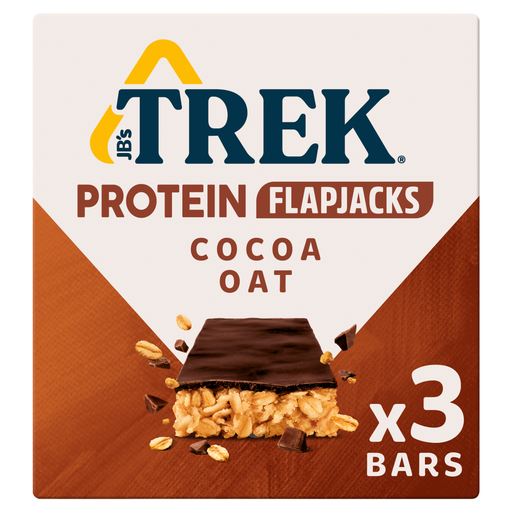
A cocoa-and-oat flapjack in 50 g portions. If you need to avoid gluten or another allergen, check this Cocoa Oat flavour’s own pack rather than applying the declarations for Trek Smooth Lemon to it.
 No image available
A salted-caramel flapjack in 50 g portions. Read this flavour’s own ingredients, gluten-free labelling and precautionary allergen statement before deciding whether it meets your requirements.
 No image available
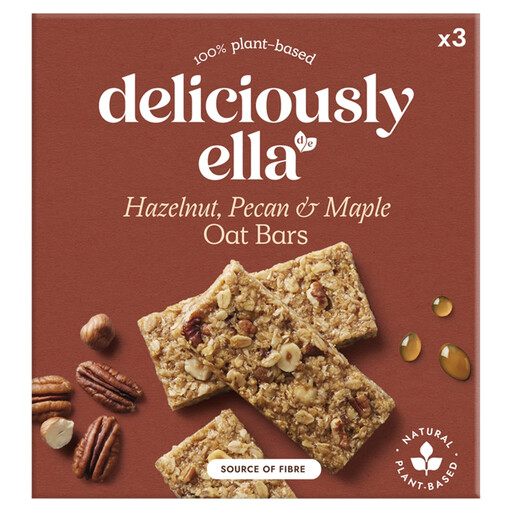
A hazelnut, pecan and maple oat-bar multipack to consider when those named nuts fit your needs. Check the exact pack for its full ingredients, any other allergen warnings and an applicable gluten-free claim if you require one.
No. Gluten-free labelling does not establish whether a bar contains peanut, nuts, milk or soya. Nature Valley UK says its Protein Peanut & Chocolate bar contains peanut, soya and milk and may contain tree nuts, so check the exact pack against every allergen you avoid.
No. Coeliac UK warns that standard oats can be contaminated when produced alongside wheat, barley and rye. If you need to avoid gluten, look for gluten-free labelling on the specific oat bar; Coeliac UK also notes that some people with coeliac disease remain sensitive to gluten-free oats.
Read its full ingredients list, emphasised allergens and any “may contain” statement, then check that a gluten-free claim applies to the exact product if you need one. Coeliac UK explains that cereals containing gluten are among the allergens emphasised in ingredients lists.
Yes. Check the current pack’s ingredients and allergen wording rather than relying on a previous purchase or an online listing. Kellogg’s advises shoppers to check packs because recipes can change.