What matters when choosing a snack?
Start with any ingredient the child must avoid, then check where and how the snack will be eaten. A convenient pack or a nutrition claim cannot settle those separate questions.
| Priority |
What to check |
Your needs |
| Specific allergens |
Match any free-from claim to the ingredient that must be avoided. Read the current ingredients and any “may contain” statement; the Food Standards Agency says allergens present in prepacked food must be emphasised in its ingredients list. |
I need the whole label to fit my child’s requirements, not just a gluten-free claim on the front. |
| Nuts and setting rules |
Check for named nuts and precautionary nut warnings. Ask the nursery or school about its food policy before packing the product; the NHS notes that some nurseries are peanut- or nut-free. |
A bar that works at home also needs to meet the rules where my child will eat it. |
| Size and texture |
Assess the exact snack’s firmness, pieces and manageable serving size. Follow the Department for Education’s advice to prepare and serve food suitably for children under five. |
Can my toddler manage this snack while seated upright and supervised? |
| Ingredients and sugars |
Compare ingredients and sugars on the current pack, using per 100g figures for comparison and per-serving figures for the portion offered. If a bar contains dried fruit, bear in mind that the NHS advises giving dried fruit with meals rather than between them because its sugar can contribute to tooth decay. |
I want to understand what is in the portion, rather than choose on “fruit”, “protein” or “wholegrain” wording alone. |
Brand and product-line references
These examples show why the individual product matters more than the brand name; a claim on one bar does not apply to everything in a range.
Eat Natural
Eat Natural lists a gluten-free selection within its UK range.
- Tesco Groceries labels its Apple Soft Fruit Bar gluten-free.
- That same bar lists almonds, so it is not a choice for avoiding almonds.
TREK
TREK’s range includes the Original Oat Protein Flapjack, listed as gluten-free by Tesco Groceries.
- Its gluten-free label may be relevant when gluten is the ingredient to avoid.
- Tesco Groceries lists a precautionary warning for peanuts, nuts and milk on this flapjack. A protein-led product name does not establish toddler suitability.
Nature Valley
The Nature Valley UK range includes oat, nut and protein bars.
- Nature Valley identifies its Protein Peanut & Chocolate Bars as gluten-free.
- The named peanut product illustrates why a gluten-free claim cannot stand in for a nut check.
Kellogg’s
Kellogg’s sells cereal-based snack bars, including a Rice Krispies Cereal and Milk Bar.
- The product’s published ingredients provide a specific starting point for a label check.
- Kellogg’s lists barley malt extract, wheat gluten and milk ingredients in that bar; it is not a gluten-free or milk-free example.
Graze
Graze’s snack range includes Oat Boost flapjacks.
- Its oat-based range offers another type of bar to assess by individual product.
- A sugar or fibre comparison does not answer whether the selected pack meets a child’s allergen requirements.
Alpen
Alpen’s named No Added Sugar product in the supplied UK information is muesli, not a cereal bar.
- Its published ingredient list shows why a specific product name is needed before assessing suitability.
- Alpen lists wheat, milk ingredients, hazelnuts and almonds in that muesli. Those ingredients must not be assumed to describe a different Alpen product.
Joybuy snack options
These options include two savoury toddler snacks and one fruit-and-nut bar. The savoury snacks are alternatives to cereal bars, not free-from bar equivalents; check each product’s current pack against the ingredients your child must avoid.
 No image available
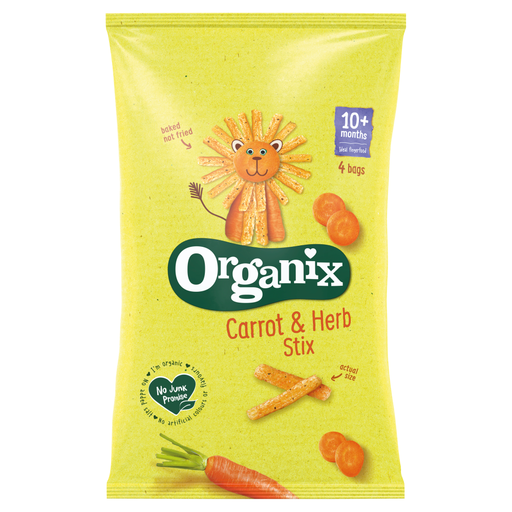
Organix Carrot & Herb Stix 10+ Months, 4 x 15g
For a savoury alternative to a cereal bar, these carrot-and-herb stix carry a 10+ months age label and come in 4 x 15g packs. Check the current ingredients for any allergen your child must avoid, and supervise snack time.
View on Joybuy
 No image available
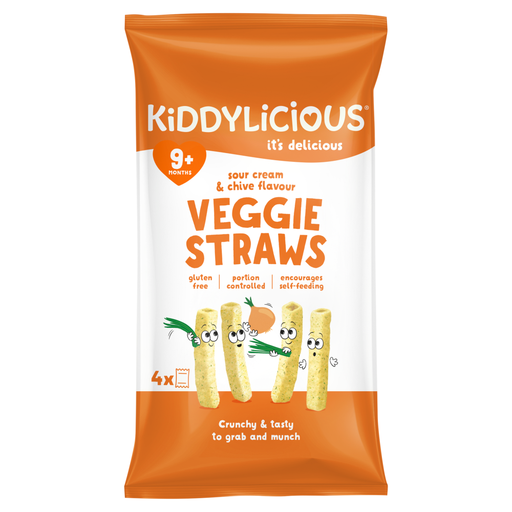
Kiddylicious Sour Cream & Chive Lentil Straws 9+ Months, 4 x 12g
These savoury lentil straws, rather than bars, carry a 9+ months age label and come in 4 x 12g packs. If milk or another allergen must be avoided, check the current ingredients and precautionary statement before choosing them.
View on Joybuy
 No image available
Nakd Blueberry Muffin Raw Fruit & Nut Bars, 4 x 35g
This is a fruit-and-nut bar in a 4 x 35g pack, so it is not an option where nuts must be avoided. Check the exact nuts, other allergens and any precautionary warnings on the current pack; also assess its texture and pieces before serving it to a toddler.
View on Joybuy
Questions about toddler snack time
Does gluten-free mean a bar is suitable for every child with an allergy?
No. A gluten-free claim addresses gluten, not every other allergen. Tesco Groceries lists almonds in its gluten-free Eat Natural Apple Soft Fruit Bar, for example. Check the current ingredients and any “may contain” statement against your child’s particular requirements.
Should I check before sending a bar to nursery or school?
Yes. Ask the named setting about its current food policy and check the exact wrapped product against it. The NHS notes that some nurseries are peanut- or nut-free; do not assume that a snack accepted at home is accepted there.
How should I serve a cereal bar to a toddler?
Assess the particular bar’s size, firmness and pieces, then offer it while the child is alert, seated upright and supervised. The Department for Education advises suitably preparing and serving food for children under five.
Is a protein, fibre or wholegrain claim enough to choose a toddler snack?
No. Those claims do not establish whether a bar meets an allergen requirement or whether its portion and texture suit your child. Read the selected pack’s ingredients and nutrition information, and consider how the snack fits alongside their usual food.
Does a fruit-based bar avoid the concerns associated with sugary snacks?
Not necessarily. Check the bar’s ingredients and sugars rather than relying on “fruit” in its name. For dried fruit such as raisins, the NHS advises serving it with meals instead of as an in-between snack because its sugar can contribute to tooth decay.


