New parents managing a household food allergy
A portable snack needs to meet the requirements of the person who will eat it. Check the current pack’s ingredients and precautionary allergen wording, even for a bar you have bought before.


Choose a cereal bar against the specific allergen or dietary requirement, rather than relying on a broad gluten-free, vegan or lactose-free claim. A gluten-free bar can still contain milk or nuts, and an oat bar may carry a “may contain” warning; read the ingredients and precautionary wording on the exact pack, particularly when managing a diagnosed allergy.
A portable snack needs to meet the requirements of the person who will eat it. Check the current pack’s ingredients and precautionary allergen wording, even for a bar you have bought before.
Look for an explicit gluten-free claim on the individual bar, then check milk, peanuts, tree nuts and soya separately if any of those also matter to your household.
If the bar is for you rather than an infant, compare its portion size, ingredients and nutrition information against your dietary preferences. A protein or fibre figure does not replace the allergen check.
Start with the ingredient and allergen information for the exact bar; compare dietary claims and nutrition only after it meets the required exclusions.
| Priority | What to check | Your needs |
|---|---|---|
| Allergen information | Read the highlighted allergens in the ingredient list and any “may contain” statement. The Food Standards Agency explains that precautionary wording signals possible unintentional allergen presence. | If someone in my household has a food allergy, I need to assess both declared ingredients and relevant precautionary warnings on this pack. |
| Gluten-free claim | Check for an explicit gluten-free claim on the exact variant, then inspect its other declared allergens. Nature Valley identifies selected Protein bars as gluten-free, but its Salted Caramel Nut bar contains peanut, almond, milk and soya. | I’m avoiding gluten, but I may also need to exclude milk or nuts; one free-from claim cannot answer both questions. |
| Oat and lactose claims | Read the complete allergen statement rather than treating “oat” or “lactose free” as an all-allergen claim. Nature Valley describes Crunchy Oats & Honey as lactose free but warns that it may contain soya, wheat, peanuts and tree nuts. | An oat bar might suit my preference, but I need to check whether its warning names an allergen I avoid. |
| Portion and nutrition | Compare the portion size and the per-100g figures when bars differ in weight. NHS food-label guidance explains that nutrition information is given per 100g and sometimes per portion. | For my own snack, I want to compare what one bar provides without mistaking different serving sizes for a like-for-like comparison. |
A gluten-free or vegan label describes a particular characteristic, not every ingredient. Nature Valley’s gluten-free Protein Salted Caramel Nut bar contains peanut, almond, milk and soya; TREK says its vegan Biscoff bar contains gluten and soya.
Identify the precise ingredient or dietary requirement first, then check every relevant declaration on the chosen variant.
The Food Standards Agency says precautionary allergen labelling communicates possible unintentional presence. An allergen can therefore matter to the decision even when it is not listed as an intentional ingredient.
Read the precautionary statement alongside the ingredient list. Do not use “oat” or “natural” wording to decide whether a bar meets an allergy requirement.
The ingredient information you remember may not describe the bar now on sale. Nature Valley advises checking packs because its products can be reformulated.
Recheck the exact flavour and pack format when buying again, especially if an allergen exclusion determines whether the bar can be eaten.
Bars of different weights can show different per-bar figures without offering a like-for-like comparison. A protein or fibre claim also says nothing by itself about allergen suitability.
Check allergens first. If nutrition matters to your choice, compare the portion you would eat as well as the per-100g information described in NHS food-label guidance.
These examples illustrate why the flavour and pack label matter more than a brand-wide free-from assumption.
Nature Valley lists selected gluten-free Protein bars and describes Crunchy Oats & Honey as lactose free; those claims apply to the named products, not its entire range.
Eat Natural lists gluten-free products across several fruit-and-nut and other bar types.
Sainsbury’s lists Graze Honey Oat Boosts as 30g oat-bar portions, with nutrition information for each portion.
TREK describes its Biscoff Protein bar as vegan and lists 9g plant-based protein per bar.
Kellogg’s describes its Coco Pops Snack Bar as a toasted rice cereal-and-milk bar.
If you remember an Alpen bar, check the exact product rather than relying on the name of an older line.
These bars and flapjacks offer different adult snack formats for a new-parent snack stash. Check each exact pack against your gluten, ingredient and precautionary-allergen requirements before choosing.
 No image available
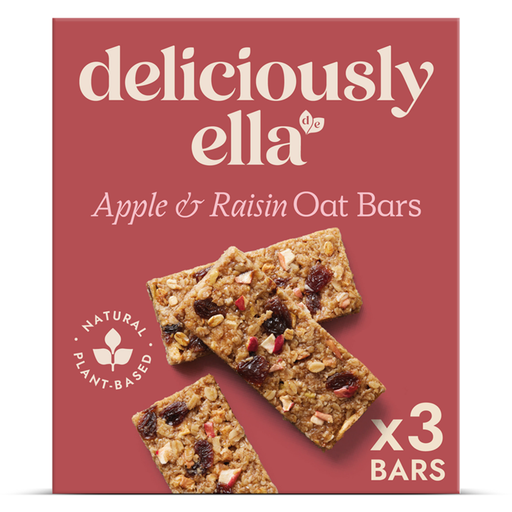
Three 50g oat bars provide a portioned adult snack. If you need a gluten-free bar, confirm the claim on this flavour’s current pack and check any precautionary wording for milk, nuts, peanuts and soya.
 No image available
This pack contains three 50g protein flapjacks. For gluten avoidance, check the claim on the Salted Caramel variant itself; also read its soya information and any precautionary warnings for peanuts, nuts and milk.
 No image available
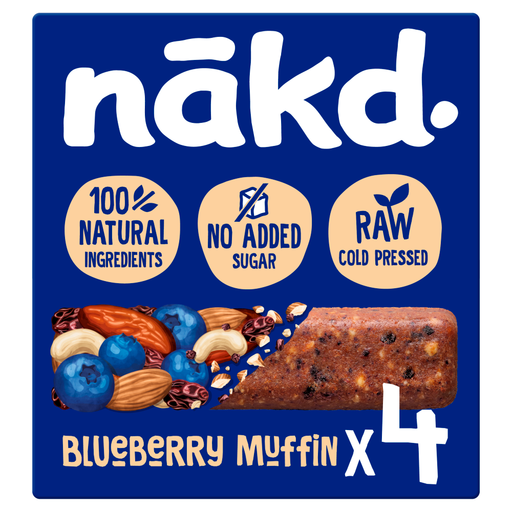
Four 35g fruit-and-nut bars offer a different portion size from the 50g options. The nut ingredients make the exact ingredient list important if you avoid tree nuts; check any precautionary peanut and soya wording too.
 No image available
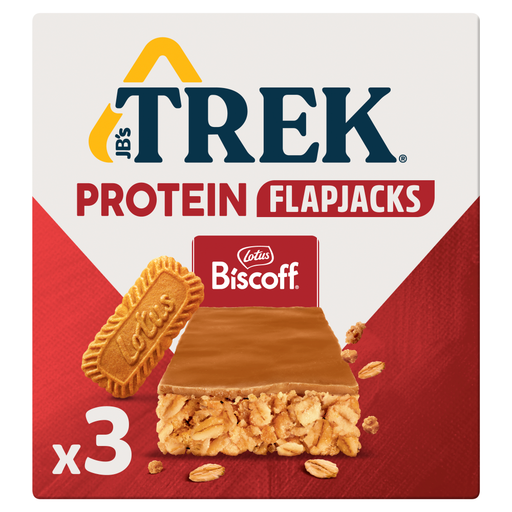
The pack contains three 50g flapjacks. TREK describes its Biscoff bar as vegan but says it contains gluten and soya and may contain peanuts, nuts and milk; check the label on this pack if any of those exclusions applies.
 No image available
Nature Valley identifies Protein Peanut & Chocolate as a gluten-free option; this pack contains four 40g bars. Peanut is part of the named variant, so check its full milk, soya and tree-nut information as well as its gluten-free claim before buying.
No. Nature Valley labels its Protein Salted Caramel Nut bar gluten-free, but its product information lists peanut, almond, milk and soya ingredients and a precautionary warning for other tree nuts. Check each allergen relevant to the person eating the exact bar.
It signals possible unintentional allergen presence, rather than naming an ingredient deliberately used in the recipe. The Food Standards Agency describes this as precautionary allergen labelling; read it alongside the ingredient list when assessing a bar.
Yes. Read the ingredients, highlighted allergens and precautionary wording on the current pack, including when buying a familiar flavour. Nature Valley advises pack checks because its products can be reformulated.
No. A lactose-free claim does not establish suitability for a milk allergy. Check milk in the ingredients and any relevant precautionary statement on the exact pack rather than relying on that claim alone.
Compare the figures per 100g for a like-for-like view, then check the portion you would actually eat. NHS food-label guidance explains that nutrition information is provided per 100g and sometimes per portion.