Choose a picnic bar by the specific ingredient or cross-contact risk you need to avoid, rather than treating “vegan”, “protein” or “gluten-free” as an answer to every dietary requirement. TREK Original Oat is labelled gluten-free and vegan but contains soya and may contain peanuts, nuts and milk; Eat Natural’s peanut-and-almond bar is gluten-free but contains both nuts; Nature Valley Crunchy Oats & Honey is described as lactose-free but not suitable for a gluten-free diet. Check the current pack for the exact bar before sharing it.
Who needs to check what?
A free-from claim is useful only when it addresses the restriction of the person who will eat the bar.
Picnic hosts managing a named allergy
Check the current ingredients and any “may contain” statement for each bar you plan to share. Keep the outer multipack wrapper available so guests can read its allergen information rather than relying on the name on an individual bar.
Gluten-free snack shoppers
Look for a specific gluten-free claim, then check the rest of the allergen declaration. As the Food Standards Agency explains, oats must still be identified as an allergen even in a gluten-free food.
Shoppers avoiding dairy or lactose
Check whether the exact product’s claim concerns lactose, milk ingredients or another requirement. Neither a lactose-free nor a vegan description settles questions about oats, nuts, soya or precautionary milk labelling.
What matters when choosing a bar?
Start with the restriction that matters for each guest, then check both the ingredients and the precautionary wording on the exact pack.
| Priority |
What to check |
Your needs |
| Named allergens |
Read the full ingredient list and its emphasised allergens. Check the exact flavour and pack rather than assuming that a claim on the front covers other allergens. |
I’m sharing bars with someone who avoids a particular ingredient, so I need to identify that ingredient before choosing a pack. |
| Gluten and oats |
Look for a specific gluten-free claim if gluten avoidance is required. Check whether oats appear in the ingredients: the Food Standards Agency says oats remain an allergen even when a food is gluten-free. |
A gluten-free label matters to me, but I also need to know whether the bar contains oats or another ingredient I avoid. |
| “May contain” wording |
Check precautionary statements as well as intentional ingredients. The Food Standards Agency explains that “may contain” wording communicates possible unintended allergen presence. |
If I’m buying for someone with a serious allergy, an otherwise suitable-looking recipe is not enough; I need to check the pack’s cross-contact warning too. |
| Dietary claims |
Match a lactose-free, vegan or gluten-free claim to the actual restriction. For example, TREK Original Oat is vegan and gluten-free but contains soya and may contain milk, according to TREK. |
Our picnic group may have different requirements, so I need each bar’s claim and allergen information to work for the person eating it. |
| Shared multipacks |
Keep the outer wrapper with the bars and recheck its current label before serving. Anaphylaxis UK advises checking labels each time because ingredients and labelling can change. |
I want guests to be able to check the ingredients themselves, even if I’ve taken individual bars out of the multipack. |
Common mistakes to avoid
-
Assuming a rice or oat bar is gluten-free
Kellogg’s lists barley malt extract and wheat gluten in its Rice Krispies Snack Bar. Nature Valley says its Crunchy Oats & Honey bar is not suitable for a gluten-free diet.
Where gluten avoidance is needed, look for a specific gluten-free claim and read the complete ingredient list.
-
Ignoring a “may contain” statement
A bar can meet one dietary requirement while carrying a precautionary warning for another allergen. TREK Original Oat, for example, is labelled gluten-free but may contain peanuts, nuts and milk, according to TREK.
Check intentional ingredients first, then assess the current pack’s precautionary wording for the person who will eat the bar.
-
Treating different free-from claims as interchangeable
Eat Natural’s gluten-free peanut-and-almond bar contains peanuts and almonds. TREK’s vegan Original Oat contains soya and may contain milk. Neither claim establishes suitability for every allergy.
Name each ingredient or dietary restriction you need to account for, then check the exact variant against each one.
-
Relying on an old listing or a loose bar
Ingredients and allergen declarations can change. Anaphylaxis UK advises checking food labels every time you buy a product.
Keep the sealed bars and outer wrapper together until guests have had the chance to read the current label.
Brand and product-line references
These examples show why allergen suitability belongs to an exact product and its current label, not to a brand as a whole.
TREK
Original Oat is a gluten-free, vegan protein flapjack in TREK’s range.
- TREK states that a 50 g Original Oat bar contains 10 g of plant protein and uses gluten-free oats.
- Original Oat contains soya ingredients and, according to TREK, may contain peanuts, nuts and milk.
Eat Natural
Its Peanuts, Almonds & Cocoa Protein Bar is a gluten-free option for people who can eat its listed ingredients.
- Eat Natural labels this peanut-and-almond bar gluten-free.
- Peanuts and almonds are ingredients; the bar contains honey and may contain other nuts, milk and soya, according to Eat Natural.
Nature Valley
Crunchy Oats & Honey offers an oat-bar example for shoppers comparing lactose-free and gluten-free requirements.
- Nature Valley describes Crunchy Oats & Honey as having no milk or dairy ingredients.
- Nature Valley says the bar is not suitable for a gluten-free diet and may contain peanut, tree nuts and soya.
Kellogg’s
Rice Krispies Snack Bar illustrates why the cereal named on a pack cannot establish its free-from status.
- Kellogg’s provides an ingredient declaration for the Rice Krispies Snack Bar that shoppers can check against their restrictions.
- That product lists barley malt extract, wheat gluten, milk ingredients and soya lecithin.
Alpen
For an Alpen cereal bar, use the current variant’s pack to assess any free-from requirement.
- Check the named bar’s present ingredient list and allergen declaration rather than applying one Alpen product’s details to another.
- Weetabix says some of its products are made in factories or on lines where peanuts and nuts are used; check the statement on the particular Alpen pack.
Joybuy picnic bar options
These multipacks include TREK oat flapjacks and a Nature Valley peanut-and-chocolate bar. For a free-from picnic choice, check the current pack’s claims, ingredients and precautionary allergen wording for each exact variant.
 No image available
TREK Salted Caramel Protein Flapjacks, 3 × 50 g
For a picnic where gluten-free or vegan status matters, check this Salted Caramel variant’s current label rather than applying the declaration for another TREK flavour. The pack contains three 50 g flapjacks; check its soya ingredients and any precautionary wording relevant to your guests.
View on Joybuy
 No image available
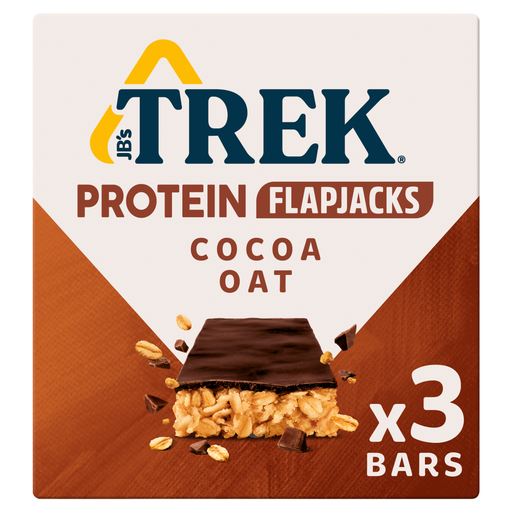
TREK Cocoa Oat Protein Flap Jacks, 3 × 50 g
This three-bar oat-flapjack pack is another picnic option to assess against a gluten-free or vegan requirement. Check the Cocoa Oat variant’s current ingredients, including soya, and its own “may contain” statement before sharing it.
View on Joybuy
 No image available
Nature Valley Protein Peanut & Chocolate Cereal Bars, 8 × 40 g
Peanut is named in this eight-bar variant, so it is not a choice for someone avoiding peanuts. Each bar is 40 g; check this product’s current pack for any gluten-free claim and for its full milk, soya and precautionary allergen information.
View on Joybuy
Questions about picnic bars
Does gluten-free mean a cereal bar is suitable for someone with an oat allergy?
No. The Food Standards Agency says oats must still be identified as an allergen in a gluten-free food. Check the ingredients for oats as well as the gluten-free claim.
Can I assume a vegan bar is suitable for someone with a milk allergy?
No. A vegan description does not settle possible cross-contact: TREK labels Original Oat vegan but says it may contain milk. Check the exact bar’s ingredients and precautionary statement before offering it to someone avoiding milk.
What should I do with the wrapper from a picnic multipack?
Keep the outer wrapper with the individual bars so guests can check the current ingredients and allergen information. If that information is no longer available, do not guess whether a bar meets someone’s restriction.
Is the ingredient list enough when choosing for a serious allergy?
Check both the ingredients and any precautionary allergen statement. The Food Standards Agency explains that wording such as “may contain” communicates possible unintended allergen presence, which a list of intentional ingredients does not address.


