Hosts serving guests with food restrictions
Choose varieties whose current ingredient and precautionary allergen information guests can inspect. Keep the packaging available rather than relying on a label you have written for the serving table.


Choose cereal bars by each guest’s specific restriction, not by a general “free-from” description. A gluten-free or vegan bar can still contain another ingredient the guest avoids, so check the current wrapper’s ingredients and precautionary warnings, and keep that information with the bars when serving them.
The useful starting point is the restriction each guest has named; one free-from claim cannot answer every guest’s question.
Choose varieties whose current ingredient and precautionary allergen information guests can inspect. Keep the packaging available rather than relying on a label you have written for the serving table.
Look for an explicit gluten-free claim on the exact bar, then check its other ingredients and warnings. Gluten-free does not mean oat-free, nut-free or milk-free.
Check that the chosen variety is described as vegan. A vegan claim does not establish whether the bar fits a separate gluten or allergen restriction.
Start with the guest’s named restriction, check the claim on the exact variety, then make sure its wrapper stays available when the bars are served.
| Priority | What to check | Your needs |
|---|---|---|
| Named allergens | Read the current ingredient list for the allergen the guest avoids. Check any “may contain” statement for that same allergen; the Food Standards Agency says such wording signals possible unintended presence through cross-contamination. | I need to know whether a particular guest can choose this bar, not just whether its front label says “free from”. |
| Gluten-free claim | Look for “gluten-free” on the exact product rather than assuming an oat bar qualifies. The Food Standards Agency defines the claim as no more than 20 mg/kg of gluten in the food as sold. | For a guest avoiding gluten, I want a clearly labelled option whose other ingredients and warnings also fit their requirements. |
| Vegan choice | Check the exact variety’s vegan description, then assess nuts, soya, milk and precautionary wording separately where relevant. A vegan claim is not an allergen-free claim. | I’m putting out a vegan option, but I don’t want to assume it also works for someone with an allergy. |
| Serving information | Keep bars in their individual wrappers or retain a readable ingredient panel for each variety. Separate varieties so guests can identify which information belongs to which bar. | Once the multipack is opened, guests still need a way to check the bar they are about to take. |
Nature Valley Protein Salted Caramel Nut is a gluten-free example that lists peanuts, almonds, milk and soya. Its gluten-free claim does not address those ingredients.
Ask each guest what they avoid, and compare their answer with the ingredients and precautionary wording on the current pack.
Oats alone do not establish whether a particular bar carries a gluten-free claim. Alpen says its products contain either wheat, barley or oats, while the listed Graze Cocoa Vanilla Oat Boost carries a precautionary warning for cereals containing gluten.
For a guest seeking a gluten-free bar, choose a variety explicitly labelled gluten-free and check its current wrapper.
Guests may be unable to match a loose bar to its ingredients or “may contain” statement, particularly when several varieties look alike.
Keep individually wrapped bars in separate groups and retain the ingredient information for every variety you put out.
An online listing may not describe the pack being served. The distinction matters when a guest needs to check a named ingredient or precautionary warning.
Use product pages to make a shortlist, then check the physical pack against the guest’s requirements before serving.
These examples describe particular bars or product lines, not a claim that every bar from a brand has the same ingredients or dietary suitability.
The brand identifies selected Protein bars as gluten-free choices; check the named variety rather than treating the whole range alike.
TREK describes its Original Oat bar as gluten-free and vegan; those claims apply to that variety.
Eat Natural lists gluten-free options, while individual varieties need their own vegan and allergen checks.
Check the exact Graze flapjack rather than assuming an oat-based variety meets a free-from requirement.
Alpen bars call for a product-specific ingredient check, particularly when a guest avoids gluten.
The Rice Krispies Snack Bar is an example to assess by its stated ingredients, not as a general free-from option.
These oat bars and protein flapjacks are starting points for checking gluten-free and, where relevant, vegan choices for the party. Match each exact variety’s current wrapper to the guest’s requirements before serving.
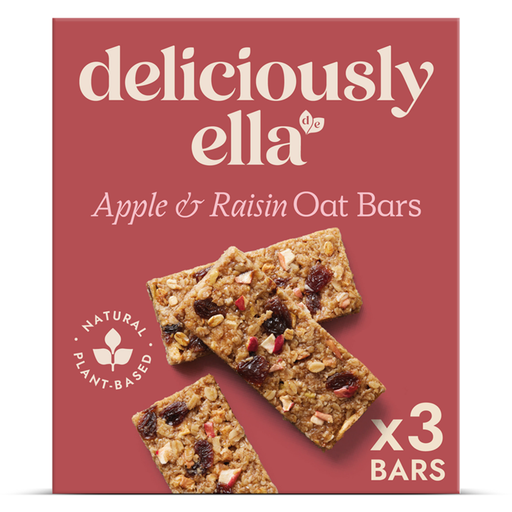 No image available
A variety to check when offering both gluten-free and vegan choices. Confirm those claims on the current pack, and read any precautionary wording for nuts, peanuts, milk and soya against guests’ requirements.
 No image available
Consider this variety for a guest seeking a gluten-free flapjack, subject to the current pack claim. Check its soya declaration and any “may contain” wording for peanuts, nuts and milk before offering it to someone with those restrictions.
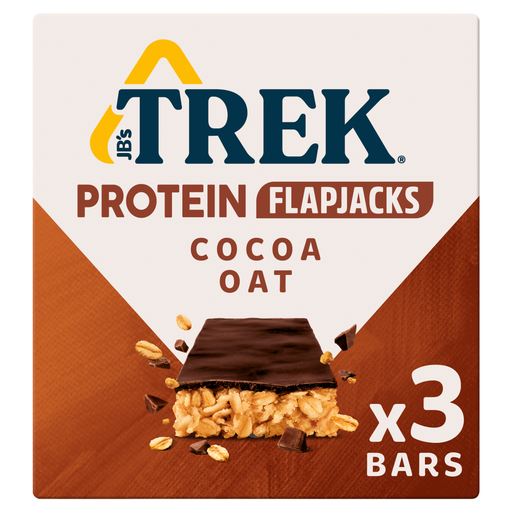 No image available
Another oat-flapjack variety to assess for a gluten-free guest. Check the exact pack for its dietary claims, soya ingredients and precautionary warnings for milk, nuts and peanuts; do not assume its vegan status from another TREK bar.
 No image available
Nature Valley identifies this as one of its gluten-free Protein bars. It is a choice to check for a guest who can eat peanuts, milk and soya, not a general allergy-free bar; read the current wrapper for its full ingredients and any tree-nut warning.
 No image available
A gluten-free Protein bar for a guest who can eat its listed allergens. Joybuy’s ingredient information lists peanuts, almonds, milk and soya; Nature Valley states that each 40 g bar provides around 10 g protein and 4 g fibre. Check the current wrapper before serving.
No. The Food Standards Agency’s gluten-free definition concerns gluten content, not whether a bar contains nuts, milk, soya or another allergen. Check the exact bar’s ingredients and precautionary warnings for the guest’s named restriction.
Keep bars in their original wrappers when guests need to check ingredients or allergen warnings. If you arrange several varieties together, make sure each guest can still identify the correct wrapper and information for the bar they choose.
The Food Standards Agency says precautionary allergen wording indicates that an allergen may be unintentionally present through cross-contamination. Check whether the warning names an allergen the guest avoids; it is not a claim that the bar is free from that allergen.