Shoppers who need to avoid gluten
Look for an explicit gluten-free claim rather than assuming an oat- or rice-based bar qualifies. Check the current label for oats too if they matter to your requirements.


Choose a cereal bar by the specific ingredient or allergen you need to avoid, not by cues such as “oat”, “vegan” or “natural”. If you need a gluten-free bar, look for an explicit gluten-free claim and check for oats and other relevant allergens; for an allergy, check the exact product’s ingredients and “may contain” wording. With online delivery, do not accept a substitute until you have checked the replacement’s label.
Look for an explicit gluten-free claim rather than assuming an oat- or rice-based bar qualifies. Check the current label for oats too if they matter to your requirements.
Compare the ingredients and precautionary allergen wording for the exact bar and flavour. A gluten-free claim does not answer questions about milk, peanuts, tree nuts or soya.
Decide whether to allow substitutions for the bar, then inspect any replacement’s label before accepting it. A similar name or flavour does not establish the same allergen profile.
Identify the ingredient you need to avoid before comparing bars, then make the same checks again if your delivery contains a substitute.
| Priority | What to check | Your needs |
|---|---|---|
| Specific requirement | Check for an explicit gluten-free claim where gluten avoidance is required. Read the ingredients for any other ingredient you must avoid, including oats. | I need the bar to meet my particular requirement, rather than treating every “free-from” description as equivalent. |
| Precautionary wording | Read “may contain” statements alongside the ingredient list. Check the exact flavour and pack rather than applying another bar’s declaration to it. | Even if my allergen is not an ingredient, I still need to consider a warning about its possible presence. |
| Delivery substitutions | Check the retailer’s substitution setting for the item. Compare any delivered replacement’s ingredients and allergen wording before accepting it. | I would rather go without the ordered bar than accept an alternative whose allergen profile I have not checked. |
| Snack preferences | Once the allergen requirements are met, compare the stated portion size, ingredients and nutrition information for the exact product. | I may prefer a particular flavour or bar format, but those preferences do not replace the allergen checks. |
A gluten-free bar can still contain oats or other allergens. TREK’s Cocoa Oat flapjack, for example, lists soya and warns that it may contain peanuts, nuts and milk.
Check the full declaration for the exact product against every ingredient you need to avoid.
These descriptions do not establish the absence of an allergen. TREK describes Cocoa Oat as vegan, but its product information says it may contain milk.
Read the ingredients and precautionary wording even when a dietary description appears to fit.
Tesco and Sainsbury’s say they may offer grocery substitutes. A replacement bar may have a different ingredient or precautionary allergen declaration.
Turn off substitutions for the item where the service allows it, or check and refuse a replacement that does not meet your requirements.
Declining a substitute may leave you without cereal bars in that delivery.
A familiar product name is not a substitute for its current label. Tesco’s listing for Kellogg’s Rice Krispies snack bars notes that they now contain wheat gluten.
Check the product page when ordering and the delivered pack before eating, particularly if the packaging or flavour has changed.
Use these ranges as starting points, then check the label of the individual bar rather than assuming every product from a brand has the same allergen profile.
TREK markets protein flapjacks, including a Cocoa Oat variant described by the brand as vegan and gluten-free.
Eat Natural lists a gluten-free cereal-bar range, including fruit-and-nut formats.
Kellogg's cereal milk bars illustrate why a cereal or rice-based name does not establish a free-from profile.
Nature Valley describes oat-based Crunchy bars and Protein bars with nuts and isolated soya protein.
Graze describes snacks made with ingredients including wholegrains, fruit and nuts.
Alpen is a useful comparison point when checking cereal ingredients rather than relying on an oat-based description.
These Joybuy listings cover oat bars, protein flapjacks and nut-containing cereal bars. Their names and pack sizes help narrow the choice, but check each current listing and delivered pack for the free-from claim and allergen wording you require.
 No image available
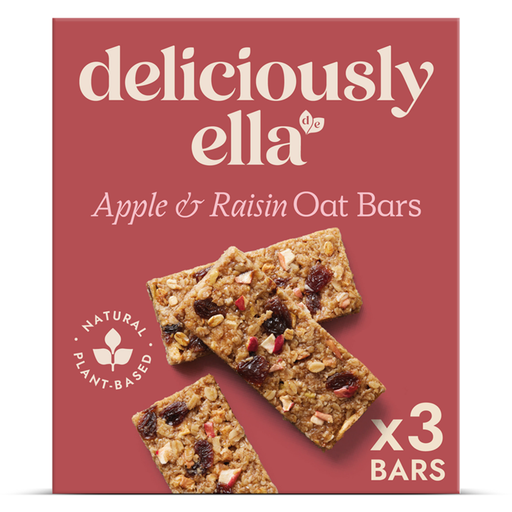
For an oat-bar multipack, check whether the current pack carries the gluten-free claim you need. If oats or precautionary allergens matter to you, read the declaration for this exact product.
 No image available
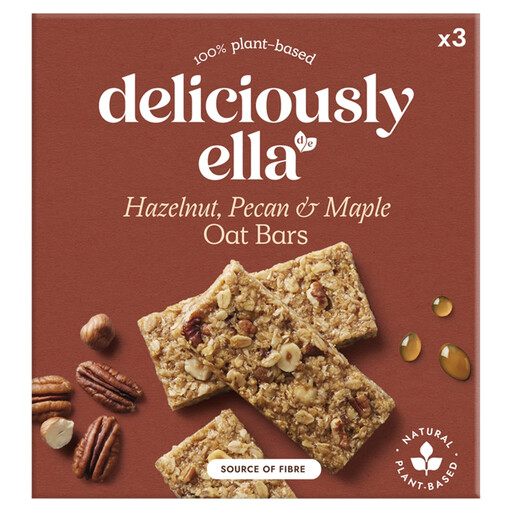
Hazelnut and pecan are named in this 150g oat-bar multipack. If you need to avoid nuts or gluten, check the full ingredients, any gluten-free claim and the precautionary wording on the current pack.
 No image available
This eight-bar pack names peanut and chocolate. If you are comparing protein bars for a free-from order, check the exact pack for its gluten-free status and its full ingredient and precautionary allergen declarations.
 No image available
This salted caramel flapjack comes in a three-pack. Check this flavour’s own label for any gluten-free claim, soya declaration and “may contain” wording; the declaration for another TREK flapjack may differ.
 No image available
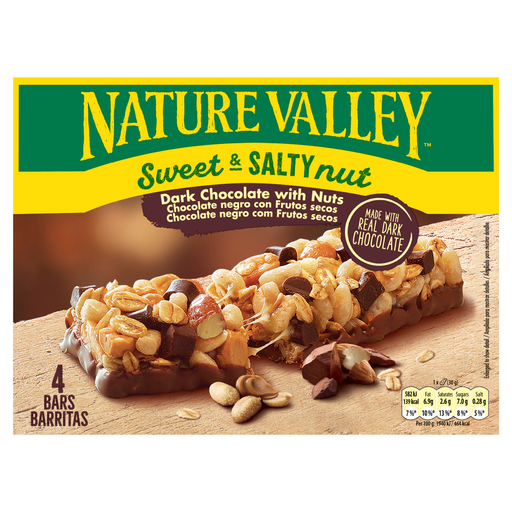
This four-bar pack is presented as a nut and dark chocolate variety. If your order has a free-from requirement, check this variety’s full cereal, nut and other allergen declarations rather than relying on the Nature Valley name.
No. The Food Standards Agency defines “gluten-free” as no more than 20 mg/kg of gluten in the food as sold; a gluten-free bar may still contain oats. Check for oats separately if you need to avoid them.
No. A vegan description does not establish the absence of precautionary allergen warnings. TREK describes its Cocoa Oat flapjack as vegan, but its product information says it may contain milk; check the exact bar’s label.
It communicates the possible unintentional presence of an allergen, rather than listing it as an ingredient. The Food Standards Agency describes this as precautionary allergen labelling; read it alongside the ingredients when checking a specific bar.
Do not assume a substitute meets the same requirement as the bar you ordered. Tesco and Sainsbury’s say they may offer substitutes; where the service allows it, turn substitutions off for that item or check a replacement’s label before accepting it.
Yes. Check the current product information when ordering and the pack you receive before eating, especially if the flavour, packaging or delivered item differs. Tesco’s listing for Kellogg’s Rice Krispies snack bars, for example, notes that they now contain wheat gluten.