Hosts serving a guest who avoids gluten
Look for an explicit gluten-free claim on the product you plan to serve, then check the current pack and exact flavour. A potato base alone does not settle the question.


Choose crisps for the guest’s specific requirement, rather than assuming that a plain flavour, a vegan label or a short ingredient list covers every allergen. For gluten avoidance, look for an explicit gluten-free claim; for milk allergy or other allergen concerns, check both the ingredients and precautionary statement on the current pack of the exact flavour. Keep vegan and vegetarian suitability as separate checks.
Look for an explicit gluten-free claim on the product you plan to serve, then check the current pack and exact flavour. A potato base alone does not settle the question.
Read the ingredients and any precautionary allergen statement together. Even a plainly named crisp can carry a milk-related warning.
Choose and identify options against each guest’s requirements: gluten-free, vegan and vegetarian labels answer different questions, and none replaces an individual allergen check.
Start with the requirement that matters to the guest, check the exact pack, then compare flavour and serving format for the afternoon tea break.
| Priority | What to check | Your needs |
|---|---|---|
| Gluten-free claim | Look for an explicit claim on the exact product; check its current ingredients and allergen information. GOV.UK guidance defines gluten-free as no more than 20 mg/kg gluten in the food as sold. | My guest needs a labelled gluten-free option, not a choice based only on the fact that crisps are made from potatoes. |
| Milk and cross-contact | Read the ingredient list and any ‘may contain’ or factory-handling statement. The Food Standards Agency explains that precautionary allergen labelling communicates possible unintended allergen presence. | A short ingredient list is not enough for my guest’s milk-allergen requirements; I need to check the warning on this flavour’s pack. |
| Vegan or vegetarian | Check which claim applies to the exact flavour. Check allergen information separately, particularly if a guest also has an allergy. | I want guests to be able to tell which pack meets their dietary requirements without treating vegetarian, vegan and gluten-free as interchangeable. |
| Serving and flavour | Check pack size and whether the flavour suits the gathering. If comparing salt, use the same basis on each nutrition label, such as per 100 g. | I need enough clearly identifiable packs to serve the group, rather than a mixed bowl whose contents guests cannot check. |
Walkers says its Ready Salted crisps are made in a factory that also handles milk and gluten-containing cereals. Tyrrells says Naked (no salt) may contain milk, while McCoy’s says its Salted flavour may contain milk, soya, gluten and mustard.
For a guest avoiding an allergen, read the current pack’s ingredients and precautionary statement before serving; do not decide from the flavour name.
A gluten-free claim does not establish vegan or milk-allergy suitability. Likewise, vegan suitability does not establish that a product meets a guest’s requirements for gluten avoidance or allergen cross-contact.
Match each claim to the guest’s requirement and check the remaining ingredients and warnings separately.
Tyrrells lists barley malt vinegar in Sea Salt & Cider Vinegar, while its Naked (no salt) product has a different ingredient list; both carry milk precautionary advice. McCoy’s Cheddar & Onion contains milk ingredients, unlike the ingredient description for its Salted flavour.
Check the exact flavour and current packaging, even when another product from the brand suited a previous guest.
These manufacturer statements give you products to check, not an allergen conclusion for every flavour or pack.
Seabrook describes its crisps and snacks as gluten-free and Coeliac UK accredited.
REAL says its crisp range is vegetarian and gluten-free.
KETTLE describes its Lightly Salted and Sea Salt & Balsamic Vinegar products as gluten-free and suitable for vegans and vegetarians.
Walkers product information calls for flavour-by-flavour checks when an allergen must be avoided.
Tyrrells’ named flavours illustrate why a short ingredient list does not settle an allergen question.
McCoy’s publishes different ingredient and allergen information for its Salted and Cheddar & Onion flavours.
These lentil, plantain and cassava chips are snack options for an afternoon tea break. If you are choosing for an allergy or a specific free-from diet, confirm the claims, ingredients and precautionary advice on the exact pack before serving.
 No image available
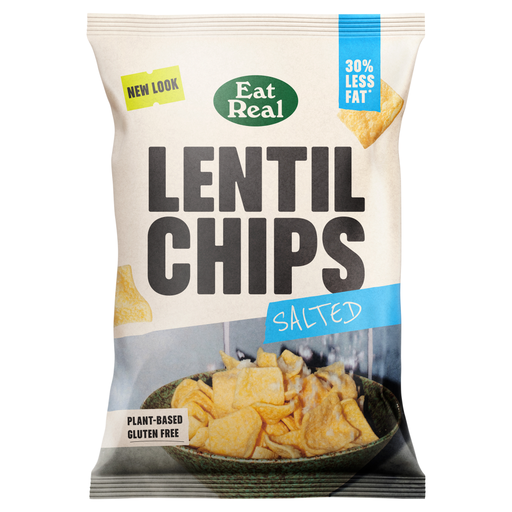
A 95g sea salt lentil-chip option for the tea table. If serving a guest who avoids soya or celery, pay particular attention to the pack’s precautionary allergen statement.
 No image available
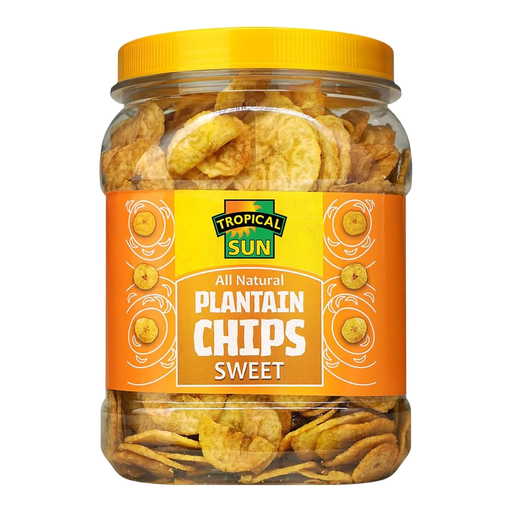
A 450 g plantain-chip tub for serving a group. Its naturally sweet description makes it a different flavour choice from salted crisps; check the pack’s dietary claims and allergen information for each guest.
 No image available
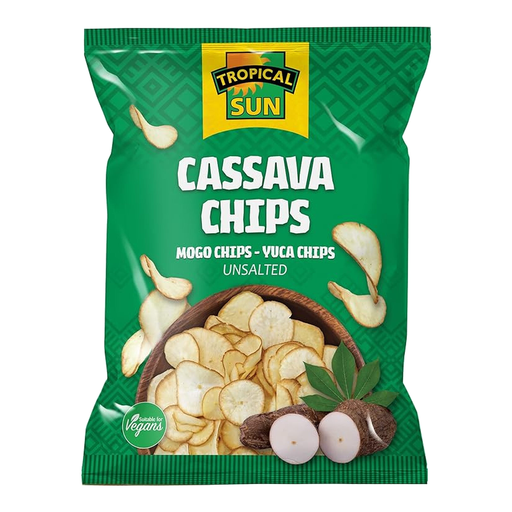
An 80g unsalted cassava-chip option if you want to offer a flavour without added salt in its name. Check the current pack for the guest’s dietary requirements and observe its warning concerning children under 4.
 No image available
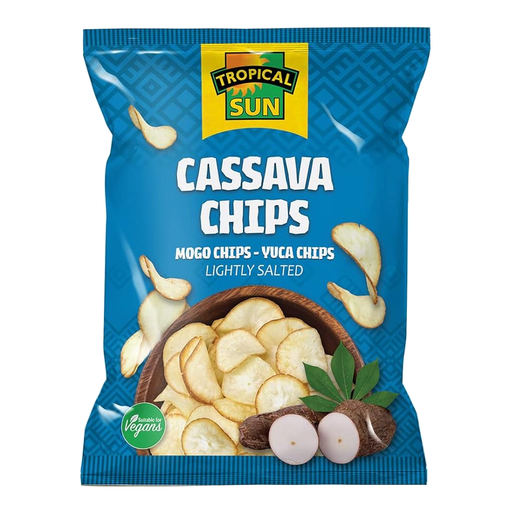
An 80g lightly salted cassava-chip option. Consider how many packs the group needs, and check the exact packaging before relying on any free-from or vegan description.
 No image available
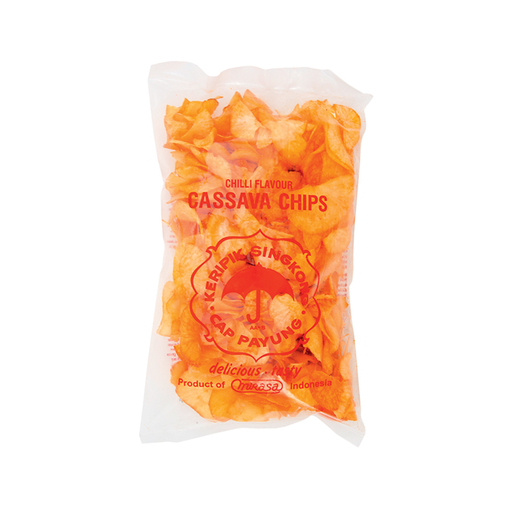
A 250g chilli-flavoured cassava-chip pack for guests who want that flavour. Check that it suits their preferences, then confirm any required dietary claims and allergen advice on the pack.
No. Coeliac UK notes that frying and seasoning can make potato crisps unsuitable for a gluten-free diet. Look for an explicit gluten-free claim on the exact product and check its current pack; GOV.UK guidance defines the claim as no more than 20 mg/kg gluten in the food as sold.
No: vegan suitability and milk-allergen information answer different questions. For a milk allergy, check the exact pack’s ingredients and precautionary statement against the affected guest’s allergy-management advice.
It is precautionary allergen information, not a declaration that the allergen was used as an ingredient. The Food Standards Agency says this labelling communicates that a regulated allergen could be unintentionally present; whether the product is suitable depends on the individual’s allergy-management advice.
Keep separately labelled packs available so guests can identify and inspect the exact products offered. Choose each option against the relevant gluten-free, vegan or allergen requirement, and avoid mixing varieties in a bowl when someone needs to know which is which.