Cyclists avoiding gluten
Check the exact flavour for a gluten-free claim and read its warnings. Coeliac UK notes that seasoning and frying can affect whether potato crisps suit a gluten-free diet.


Choose crisps against your particular allergen first: check the exact flavour’s ingredients, precautionary warnings and any gluten-free claim rather than assuming that plain, potato-based or vegan crisps meet your needs. For a longer ride, compare carbohydrate in the portion you will eat with your wider fuelling plan; a savoury bag of crisps should not be assumed to provide all the fuel for the ride.
Check the exact flavour for a gluten-free claim and read its warnings. Coeliac UK notes that seasoning and frying can affect whether potato crisps suit a gluten-free diet.
Match the ingredients and precautionary information on the pack to your particular allergen. The Food Standards Agency cautions that a vegan label is not a substitute for allergen information.
Consider the carbohydrate in the portion you will carry alongside the rest of your food and drink. British Cycling advises planning regular fuelling for rides lasting more than about 90 minutes.
Start with the allergen information for the exact flavour, then check what a usable portion contributes to your ride.
| Priority | What to check | Your needs |
|---|---|---|
| Allergen suitability | Read the exact flavour’s ingredients, precautionary warnings and any gluten-free claim. Coeliac UK warns that potatoes alone do not establish whether crisps suit a gluten-free diet. | I need the pack to address my particular allergen, not just carry a vegan label or have a short ingredient list. |
| Carbohydrate per portion | Compare carbohydrate per bag or serving, rather than treating calories as carbohydrate. Seabrook states that its Sea Salted 31.8 g bag contains 16.7 g carbohydrate. | For a longer ride, I want to know what the portion I will eat contributes alongside my other food and drink. |
| Pack practicality | Check whether the nutrition figures refer to the whole bag, a serving or 100 g. Compare the pack size with the portion you intend to carry, and read the label on the pack supplied. | A smaller bag may suit the portion I plan to take; with a sharing bag, I would decide how much to carry before setting off. |
Coeliac UK notes that seasoning and frying can affect suitability, so the potato base does not settle the question.
Check the claim and warnings for the exact flavour on the pack you receive.
The Food Standards Agency cautions that vegan labelling does not replace allergen information. Tyrrells Lightly Sea Salted, for example, carries a “May contain Milk” warning.
Read the ingredients and precautionary milk statement separately if milk is the allergen you need to avoid.
Nutrition labels list carbohydrate and fat separately. The bag’s carbohydrate figure, rather than its total calories, is the relevant label figure when comparing it with other ride food.
Check the carbohydrate for the amount you intend to eat and plan the rest of your longer-ride fuelling accordingly.
These examples show why claims and warnings need to be read by product and flavour, not assumed from a brand name.
Seabrook describes its Sea Salted potato crisps as gluten-free.
Kettle Chips describes its Lightly Salted product as gluten-free and vegan.
REAL describes its UK range as gluten-free and publishes ingredients for Sea Salt.
Tyrrells lists potatoes, sunflower oil and sea salt for Lightly Sea Salted.
Walkers Ready Salted illustrates why ingredient and factory information should be read together.
McCoy's publishes nutrition and precautionary information for Original Salted.
These options include potato crisps and cassava- or lentil-based crunchy snacks in different pack sizes. Choose by the exact product’s allergen label and the portion you intend to take, rather than treating them as interchangeable free-from choices.
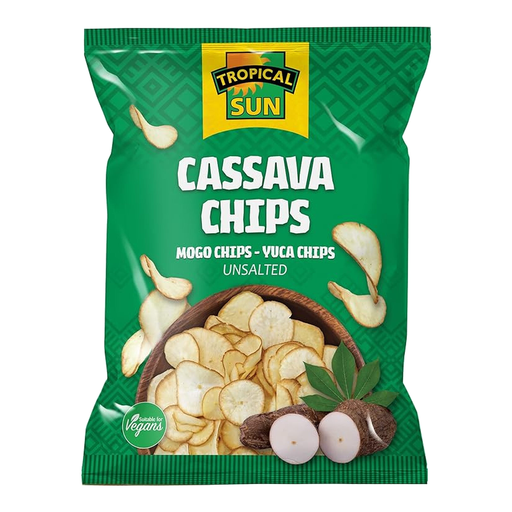 No image available
The 80 g bag is an option if you want an unsalted snack to take on a ride. These are cassava chips rather than potato crisps; check the pack’s allergen information and carbohydrate figure against your needs.
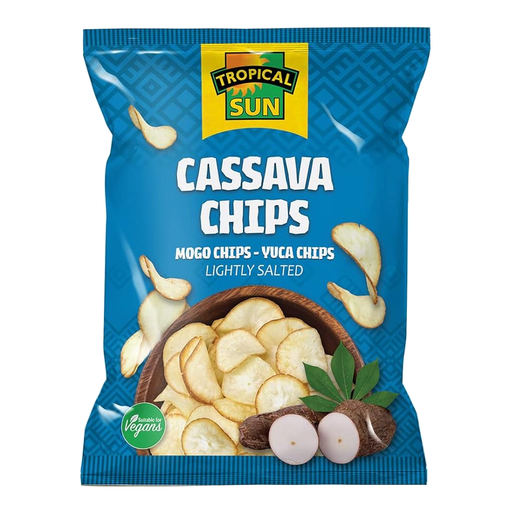 No image available
This 80 g lightly salted option suits a preference for a savoury cassava snack rather than potato crisps. Read the exact pack for your allergens and use its serving information when planning a ride portion.
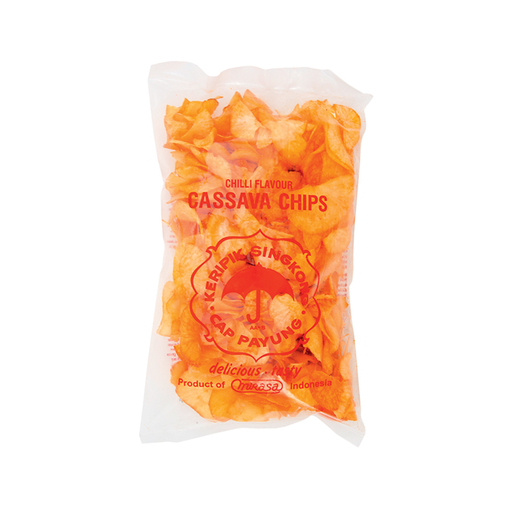 No image available
The 250 g chilli-flavoured bag is a larger cassava-chip option; decide how much you would carry rather than treating the whole bag as a ride portion. Check the flavour’s ingredients and allergen statements on the pack.
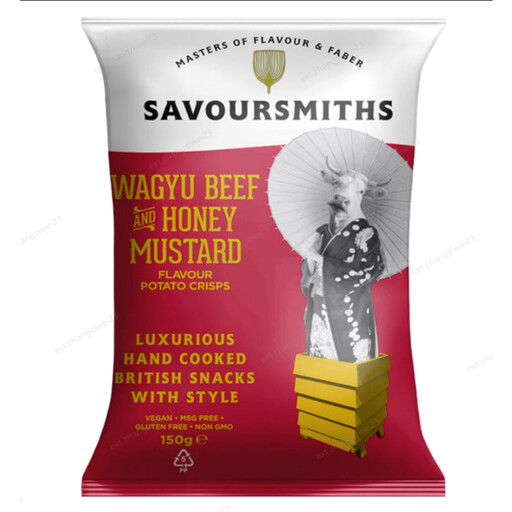 No image available
Choose this 150 g potato-crisp bag if that flavour and a larger format fit your plans, and portion it separately if you intend to carry less. “Vegan” in the product name does not replace a check of the pack’s allergen information.
 No image available
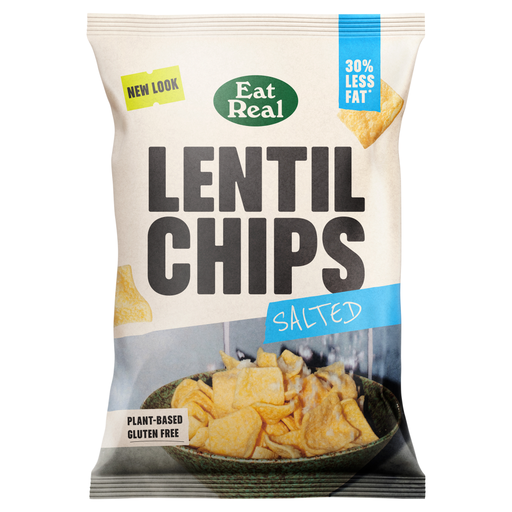
The 95 g bag offers a sea-salt lentil snack rather than potato crisps. Check its “may contain soya and celery” warning if either allergen matters to you, and compare the labelled serving with the amount you plan to eat.
No. A gluten-free claim concerns gluten, not milk or other allergens. The Food Standards Agency defines gluten-free as no more than 20 mg/kg gluten in the food as sold; check the full ingredients and precautionary information for your other allergens.
No. The Food Standards Agency cautions that vegan labelling is not a substitute for allergen labelling because of cross-contact risks. Tyrrells Lightly Sea Salted, for example, states “May contain Milk”.
Not necessarily. British Cycling says additional fuel is generally unnecessary for rides up to about 90 minutes; for longer rides, it advises eating from the start and practising your fuelling in training. Whether to take crisps is a separate choice from planning the ride’s food and drink.
Follow the pack’s storage directions and keep it closed while carrying it. Tyrrells advises storing its Lightly Sea Salted crisps in a cool, dry place; protect a bag you take on the bike from being crushed or opened unintentionally.