Gluten-free snack shoppers
Look for an explicit gluten-free claim on the product you are buying. A potato-based recipe or plain flavour name is not a substitute for checking the current label.


Choose a mid-morning crisp by the dietary requirement and the exact pack, rather than assuming a plain, vegan or lower-salt product is free from a particular allergen. If you need to avoid gluten, look for an explicit gluten-free claim; if you need to avoid another named allergen, check both the ingredients and any ‘may contain’ statement for that flavour. Vegan suitability and nutrition claims answer different questions from allergen suitability.
Look for an explicit gluten-free claim on the product you are buying. A potato-based recipe or plain flavour name is not a substitute for checking the current label.
Check the exact flavour for the allergen in its ingredients and for any precautionary statement. This matters for milk, wheat, barley, soya, mustard and other allergens that may be relevant to you.
A vegan or vegetarian statement helps with that dietary choice, but it does not establish suitability for someone with an allergy. The Food Standards Agency advises against using vegan labelling in place of allergen information.
Start with the requirement the crisp must meet, then compare flavour, pack size and nutrition among suitable options.
| Priority | What to check | Your needs |
|---|---|---|
| Gluten-free status | Look for an explicit gluten-free claim on the exact product. Coeliac UK explains that foods labelled gluten free must contain no more than 20 ppm of gluten; also read the flavour’s ingredients for cereals containing gluten. | I need a clearly labelled gluten-free snack, not one assumed to be suitable because it is made from potatoes. |
| Named allergens | Read both the ingredients and ‘may contain’ or factory statements on the current pack. The Food Standards Agency explains that precautionary statements indicate possible unintended allergen presence. | If I am avoiding milk or another named allergen, I need to check that particular flavour, even when its ingredient list looks short. |
| Vegan or vegetarian suitability | Check the product’s dietary-suitability statement separately from its allergen information. The Food Standards Agency cautions that vegan labelling is not a proxy for allergen labelling. | A vegan label helps me choose according to my diet; if an allergy is involved too, I still need the ingredients and precautionary statement. |
| Pack and nutrition | Check the pack size and compare salt, fat and energy using the same basis, such as per 100g or per serving. Treat any lower-salt or lower-fat claim separately from allergen suitability. | For a mid-morning snack, I want a pack size that works for me and nutrition information I can compare between crisps that meet my dietary requirement. |
Flavourings can introduce cereal ingredients: McCoy’s lists barley malt vinegar extract in Salt & Malt Vinegar. Even a plain recipe can carry a precautionary statement; Walkers Ready Salted lists a factory warning covering several allergens.
Read the current ingredients and allergen statement for the exact flavour. If gluten avoidance is essential, look for an explicit gluten-free claim rather than relying on the base ingredient.
The Food Standards Agency cautions that vegan labelling does not replace allergen labelling for people with food hypersensitivities.
For an allergy involving an animal-origin ingredient, check the named allergen and any precautionary wording on the pack, even if the crisp is labelled vegan.
A lower-salt or lower-fat recipe can still have allergen declarations. Walkers states that its Oven Baked Salt & Vinegar crisps contain barley malt vinegar extract and lactose from milk.
Establish allergen suitability first, then compare nutrition information among products that meet that requirement.
The Department for Education’s school-food guidance concerns food provided in state-funded schools in England. That is a different decision from choosing a crisp for a personal mid-morning snack.
If buying for a school, check the applicable guidance, the school’s policy and the particular product. Do not assume that every crisp has the same classification or purchasing status.
Brand statements can help narrow the search, but check the individual flavour and current pack before relying on a dietary claim.
The range includes plain, flavoured, lightly salted and oven-baked crisps, with different ingredient and allergen declarations.
Tyrrells Lightly Sea Salted is a plain-flavour example for comparing a short recipe with its allergen statement.
Individual KETTLE Chips flavours carry dietary-suitability information that can help identify options to inspect further.
Seabrook states that its crisps and snacks are gluten free and Coeliac UK accredited.
McCoy’s flavours illustrate why the exact recipe and precautionary wording matter more than a broad crisp-category description.
REAL describes its crisp range as vegetarian and gluten free, with selected recipes suitable for vegans.
These options include crisps and plantain or cassava chips for a mid-morning snack. Some are described as gluten free and vegan; the flavoured multipacks are useful to assess by their exact allergen declarations rather than by flavour name alone.
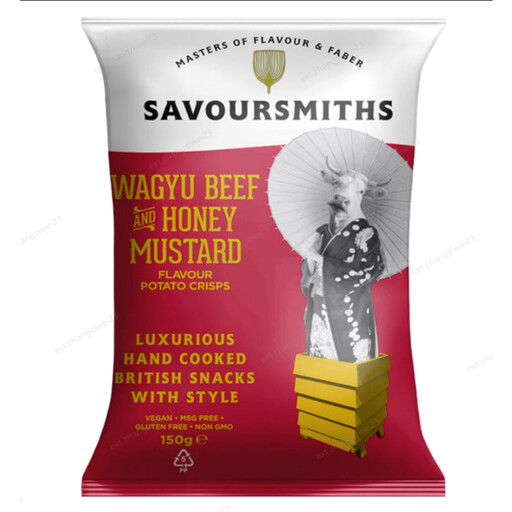 Image unavailable
Described as gluten free and vegan, these potato crisps may suit shoppers looking for both claims. If you need to avoid another named allergen, check the current pack’s ingredients and precautionary statement as well.
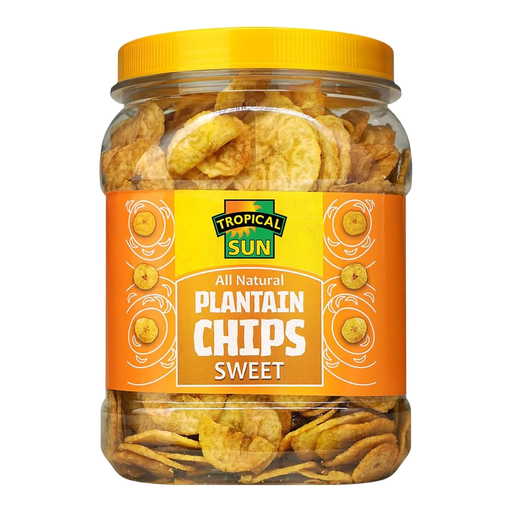 Image unavailable
A plantain-based alternative to potato crisps, described as gluten free and vegan. The stated recipe contains plantain and oil; for a named allergy, check the current pack’s allergen and precautionary information separately.
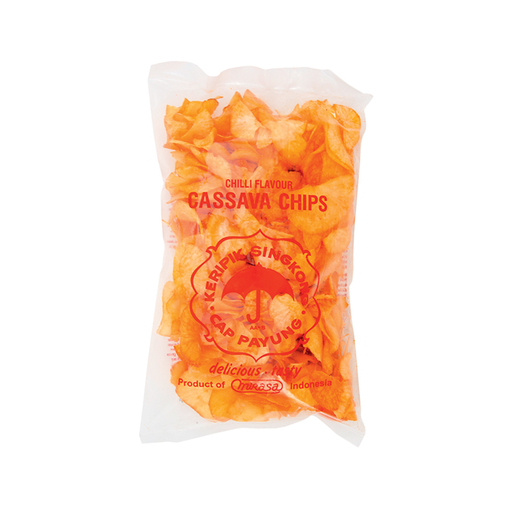 Image unavailable
These cassava chips are described as gluten free and vegan, offering a different base ingredient from potato crisps. Check the current pack for any named allergen you need to avoid and for precautionary wording.
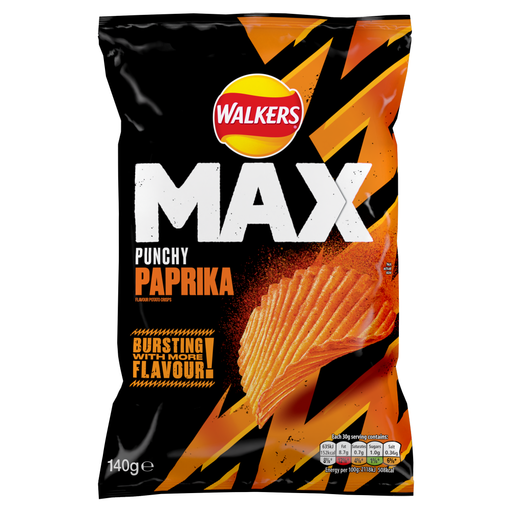 Image unavailable
For this flavoured potato crisp, assess the Paprika pack’s ingredients and precautionary allergen wording rather than applying claims from other Walkers flavours. Its product information indicates potential allergen warnings, so it should not be assumed to meet a gluten-free or vegan requirement.
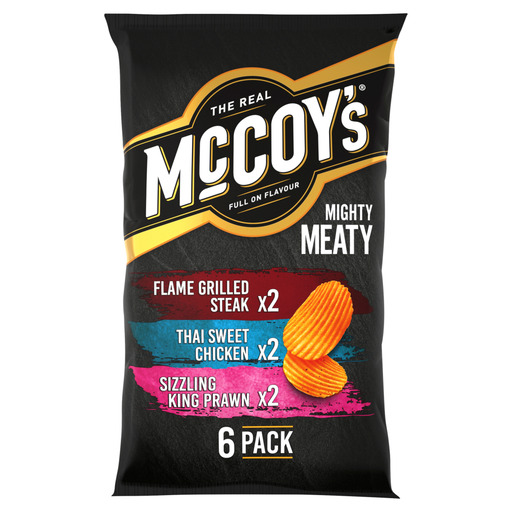 Image unavailable
This multipack contains six 25g bags. Check the ingredients and precautionary statements for each flavour in the pack: the product information identifies milk, soya, gluten and mustard as relevant allergen concerns, so the flavour names alone cannot establish suitability.
Coeliac UK explains that foods labelled gluten free must contain no more than 20 ppm of gluten. Check the current pack for the exact flavour; a gluten-free claim does not establish suitability for milk, soya, mustard or another allergy.
No. The Food Standards Agency advises that vegan labelling should not be used instead of allergen labelling. If milk or another animal-origin allergen matters to you, read the ingredients and any precautionary statement on the exact pack.
An allergen declared in the ingredients is part of the recipe. The Food Standards Agency explains that ‘may contain’ and similar precautionary statements communicate possible unintended presence through cross-contact. Use the current pack information when assessing a named allergy.
No. Plain-flavour products can have different precautionary statements: Walkers lists a factory allergen warning for Ready Salted, while Tyrrells states ‘May contain Milk’ for Lightly Sea Salted. Check the particular product against the allergen you need to avoid.